
Last updated November 23, 2026
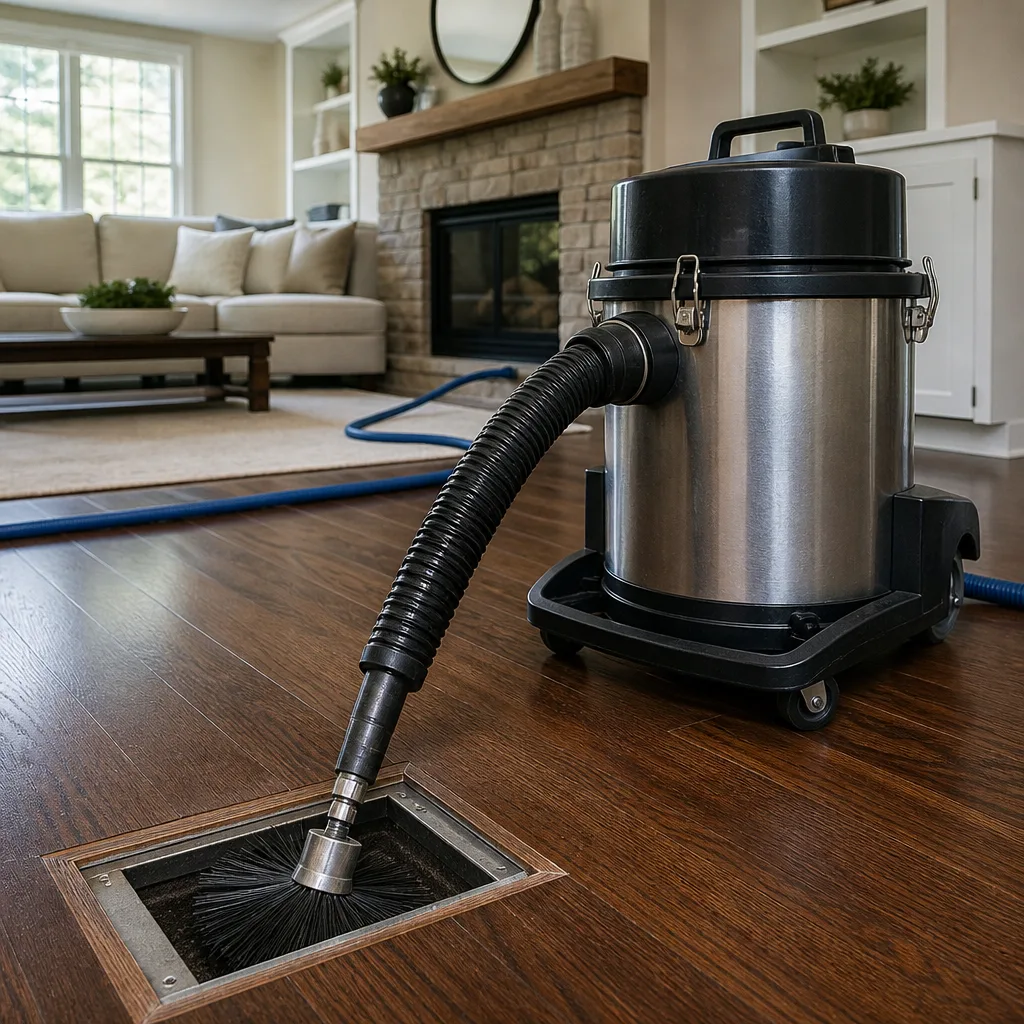 Whole-home duct cleaning
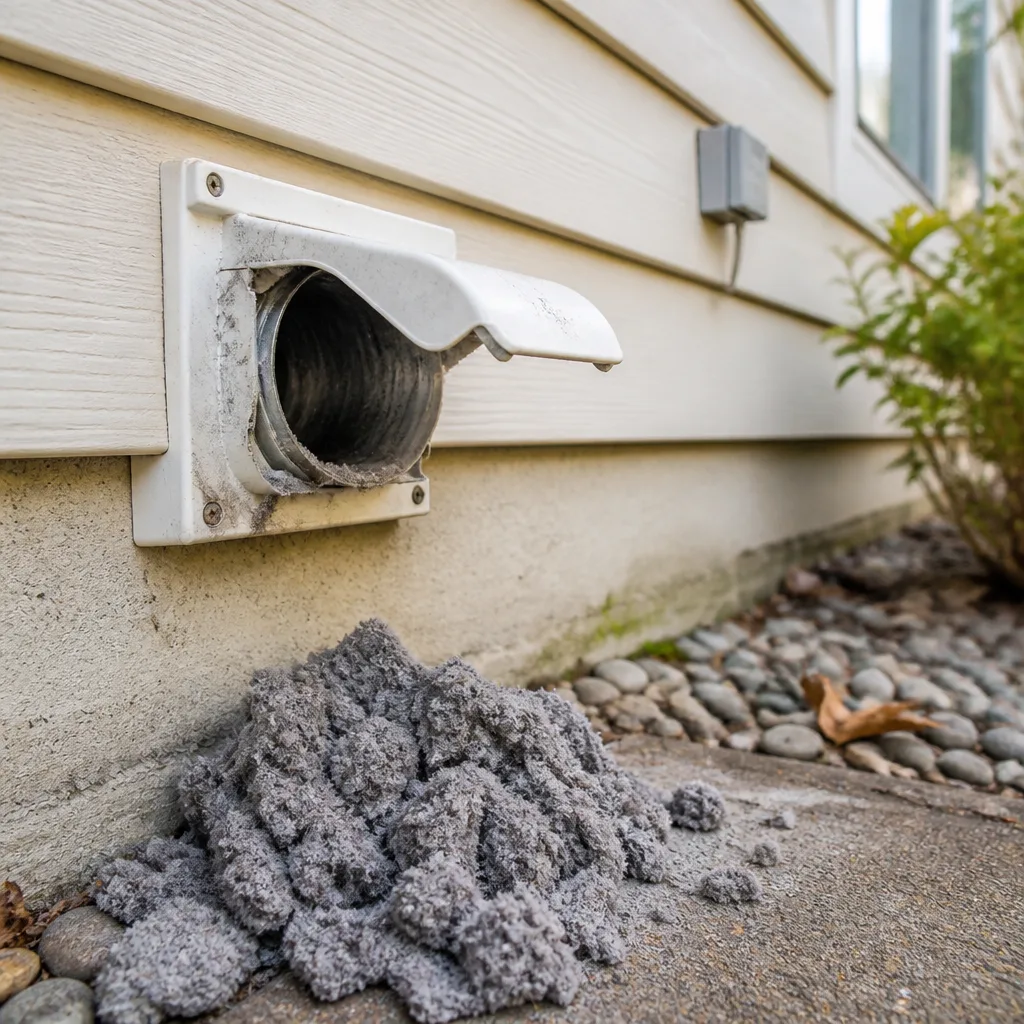 Dryer vent cleaning
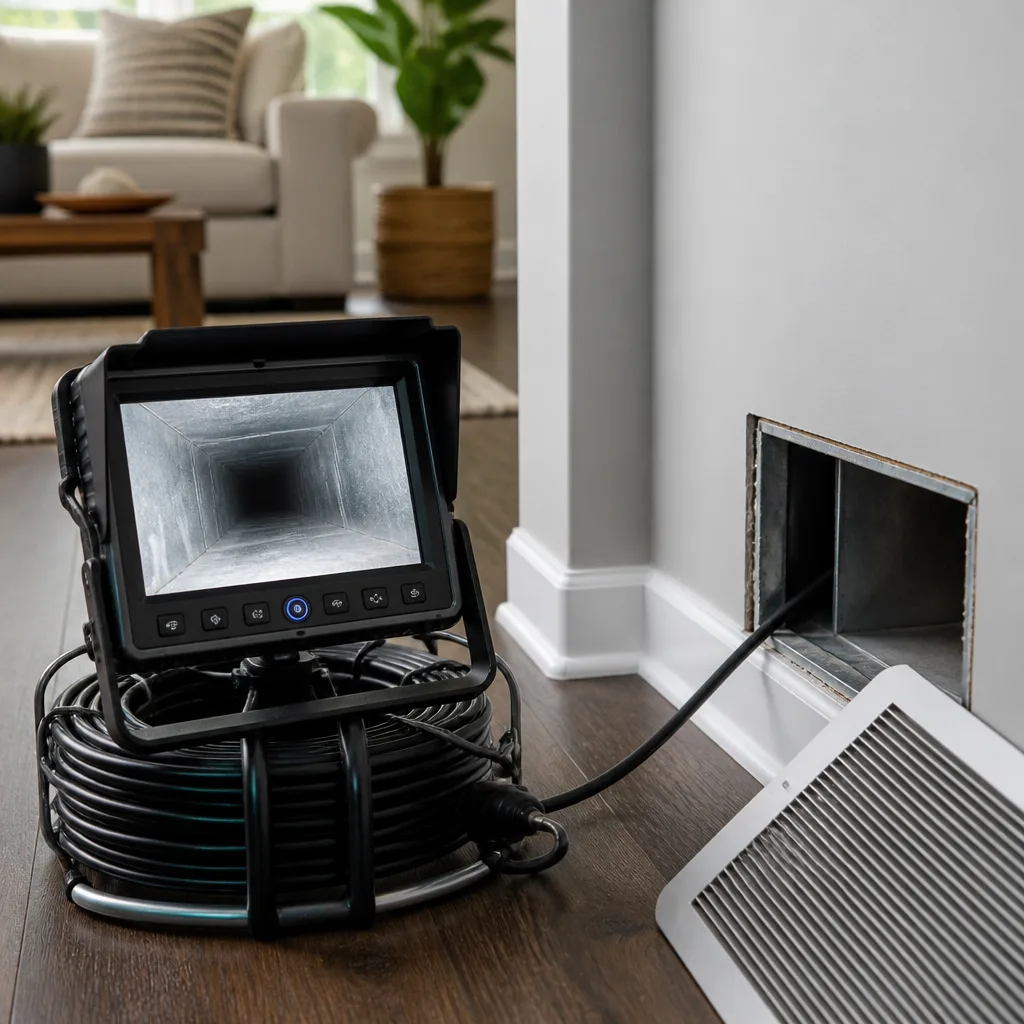 Camera inspection
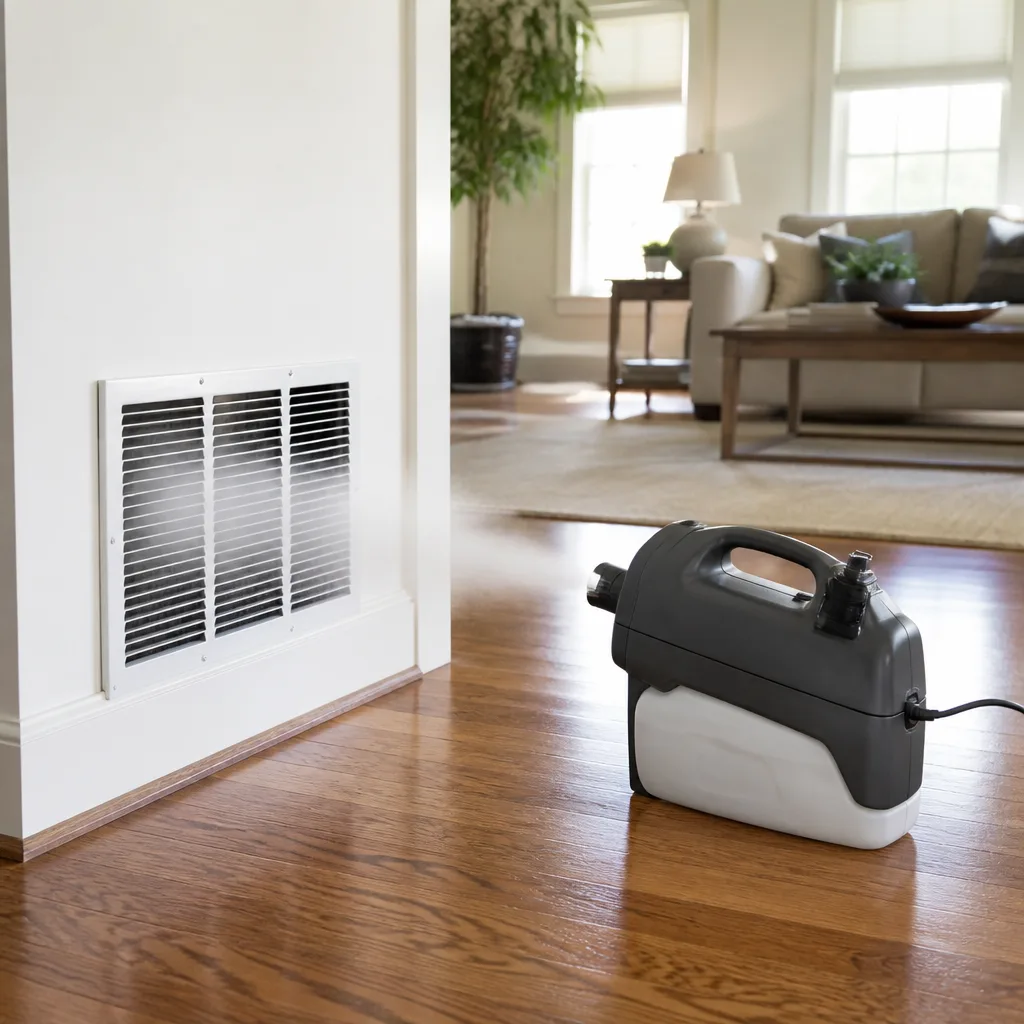 Sanitizing & deodorizing
Whole-system duct and dryer vent check with before-and-after photos - you see exactly what came out of your vents
That "$99 whole-house special" is a bait ad - the real number appears once they are in your hallway, or the "clean" is a shop-vac at the register. We photograph the inside of your ducts before and after instead.
How to Hire an Air Duct Cleaning Contractor in Sedgefield: A Step-by-Step Guide
That $99 duct cleaning coupon in your mailbox isn’t a deal. It’s a business model. The low price gets a truck to your driveway, and the real revenue comes from what the technician finds once they’re inside: a cracked plenum you “need” sealed today, a sanitizing treatment you “can’t skip,” a dryer vent that’s “a fire hazard right now.” None of it is verified before the invoice grows. The homeowners who avoid this trap aren’t smarter or luckier. They just ask better questions before price ever enters the conversation. In this guide, we’ll walk through the exact questions to ask, what good answers sound like, what a legitimate written scope of work contains, and how to compare quotes fairly, all written from our experience serving Sedgefield homeowners.
Quick Answer
To hire an air duct cleaning contractor in Sedgefield, ask about equipment and process before you ask about price. A legitimate crew can name their agitation and extraction equipment, describe a pre-inspection, and put the number of vents, access points, and whether the air handler is included into a written scope of work. If a contractor can’t answer those questions in specific terms, the price doesn’t matter. Vague answers are the real red flag.
Styles & brands we work with
- Whole-home duct cleaning
- Dryer vent cleaning
- Camera inspection
- Sanitizing & deodorizing
Table of Contents
- Why hiring right matters in Sedgefield
- The five diagnostic questions to ask before you book
- What NADCA ACR standards actually require on a job site
- Red flags specific to Sedgefield-area service calls
- What a legitimate written scope of work should include
- How to compare quotes when line items don’t match
- Why equipment names reveal more than price tags
- Common mistakes to avoid
- When to call a professional
- Frequently asked questions
Why Hiring Right Matters in Sedgefield
Sedgefield sits in the Piedmont, which means our summers are humid enough to keep an air handler working hard and our winters swing cold without much warning. That back-and-forth puts real load on duct systems. Homes with flex duct runs in unconditioned attics see condensation, and condensation is what turns a small dust problem into a mold problem. We’ve walked into crawlspaces off quiet residential streets where the duct wrap had failed years ago and nobody knew because nothing was visible from inside the house.
The housing stock here matters too. A lot of Sedgefield homes have seen multiple HVAC replacements over the decades, and each replacement is a chance for a duct connection to get knocked loose or taped badly. R-value in existing duct wrap isn’t something we can verify from a curb, so a proper pre-inspection matters more than the sales pitch. When you’re comparing contractors, you’re really comparing who’s going to look first and who’s going to quote blind over the phone.
And this is exactly where the bait-and-switch model thrives. A phone quote in Sedgefield based solely on square footage tells the contractor nothing about your attic runs, your return plenum condition, or how many branch lines feed the bedrooms. It tells them what to charge before they’ve done any work. Our version of air duct cleaning starts with the system, not the price tag.
What you actually want in Sedgefield is a contractor who treats the whole air pathway as one system. Ducts, air handler, return, supply, and the dryer vent all interact. Clean one part and skip another, and contamination just migrates. Sealing the ducts after cleaning is the step most crews skip entirely, and it’s the step that keeps the results from undoing themselves within a season.
The Five Diagnostic Questions to Ask Before You Book
Ask these five questions on the phone, before anyone comes out. You’re not being difficult. You’re filtering contractors the same way a restaurant filters for cooks who can name their ingredients. Write down the answers. Compare them. Here’s the script, with what good and evasive answers sound like.
- “What equipment do you use for agitation and extraction?” A good answer names specific equipment and explains the two-step process. You should hear about a rotary brush system that breaks debris loose from the duct walls and a HEPA-rated vacuum that captures it. An evasive answer is “pro-grade equipment” or “the best in the industry” with no brand and no process. Evasion means they either don’t have the equipment or don’t understand it.
- “Will you do a pre-inspection before giving a price, and what does it cover?” A good answer describes looking inside the system at multiple access points, checking the air handler, and checking return and supply runs. Evasive: “We can quote you over the phone in two minutes with your square footage.”
- “How do you contain dust during the job?” A good answer mentions negative pressure or a containment setup with an air scrubber. Evasive: “We’re careful” or “we lay down drop cloths.” Drop cloths don’t stop airborne particulates from recirculating through the house.
- “Is the air handler included in the price, or is that a separate line item?” A good answer is unambiguous. Evasive: “We’ll see when we get there.” That’s where the upcharge appears. You want the air handler either in or out of the written scope, clearly stated, before work starts.
- “What happens after cleaning, and can I see it?” A good answer mentions an antimicrobial treatment and before-and-after photos of your own ducts. Evasive: “You’ll smell the difference” or “trust us.” You’re paying for visible evidence, not a vibe.
These five questions tell you more in a ten-minute call than an hour of comparing flyers. If a contractor answers all five with specifics and no pressure, that’s a real business.
What NADCA ACR Standards Actually Require on a Job Site
NADCA publishes the ACR standard (Assessment, Cleaning, and Restoration of HVAC systems). The standard is the reference most legitimate contractors work from, even when they call it by a different name. The key thing to know: membership or a certification logo is not the same as following the standard on site. You verify the standard by watching the job, not by reading a business card.
Here’s what ACR-aligned work looks like in practice:
- An assessment before cleaning. The contractor looks inside the system at multiple points and documents what’s there. Photos at this stage are a good sign.
- Source removal, not just vacuuming the visible vents. The standard is about removing contamination, not pushing it around. That means agitation plus extraction, not a shop-vac at the register grilles.
- Containment during work. Air scrubbers or negative pressure setups keep the rest of the house from getting dusted in the process.
- Protection of HVAC components. A proper crew will isolate the air handler and coil area appropriately, not just blast air through the system while the blower runs.
- Post-cleaning verification. Photos or a walkthrough after cleaning. You shouldn’t have to take it on faith.
We use Rotobrush rotary-brush extraction and Nikro HEPA-rated vacuums for exactly this reason: the equipment does the source removal instead of just moving air. If a contractor claims ACR compliance but can’t explain what agitation and extraction mean in their own words, that’s a claim without a process behind it.
Ask to see the assessment photos before cleaning begins. If the contractor is ACR-aligned, they’re already taking them. The photos also serve you later, when you compare what you saw first to what the before-and-after images show at the end.
Red Flags Specific to Sedgefield-Area Service Calls
Some warning signs are universal. Some show up specifically on Sedgefield jobs because of how the housing here is laid out. Here’s what to watch for when a contractor is standing in your driveway.
- Square-footage-only pricing. A house with 2,000 square feet in one Sedgefield neighborhood can have twice the duct runs of another. A price based purely on square footage ignores the actual system. If the quote arrives before the inspection, that’s the sign.
- No pre-inspection. If the contractor walks in and starts setting up equipment without looking inside the ducts first, ask why. A legitimate crew inspects before they quote and before they clean.
- Refusing to show equipment before starting. You should see the extraction equipment and the containment setup before work begins. Not after. If the technician can’t show you the vacuum or the scrubber, ask yourself what’s in the truck.
- “We’ll sanitize everything, it’s included.” Sanitizing is a real service, not an upsell, and the treatment product should be named. Vague treatment products are a way to charge for something that wasn’t in the scope. Ask what product and how it’s applied.
- Pressure to sign today. Legitimate work doesn’t expire at midnight. If a discount disappears when you want a day to think about it, that discount was never a discount.
- No written scope before the first tool comes out. The scope comes first. Always. If the technician is working before you’ve seen a written description of what’s being done, you’re on the wrong side of the deal.
One local wrinkle: attics here get hot in summer and cold in winter, and a crew working in an unconditioned attic needs to seal access points properly afterward. Ask how they close up. Loose attic panel openings can undo a clean job by pulling dust from the attic back into the return.
What a Legitimate Written Scope of Work Should Include
A written scope of work is the single piece of paper that separates a real contractor from a sales call. If you don’t get one before work begins, don’t let them start. Here’s what the document should contain, every time.
- The number of vents. Counted, not estimated from square footage. Supply vents and return vents should each be listed, because they’re cleaned differently and some quotes only include one type.
- Access points. Where the crew will cut access, and how those cuts will be restored. Duct access isn’t always through existing registers. Ask for the specifics.
- Air handler inclusion. Either the air handler is in the scope or it isn’t. There’s no middle ground where it “gets added later.”
- Equipment to be used. Named equipment, not “professional-grade.” You should see agitation and extraction specified separately, because they’re separate steps.
- Sanitizer specifics. The treatment product named, the application method, and whether it’s applied to the duct surface or sprayed generally. The distinction matters for liability and for the result.
- Duct sealing line item. If sealing is included, it should be stated. If it’s not, it should be offered as a separate line so you can decide. Skipping sealing entirely isn’t neutral. It means the next dust problem starts sooner.
- Pricing structure. Flat price per system or itemized. Never per vent. Per-vent pricing punishes you for having a larger house and encourages cutting corners on a smaller one.
We put all of that into writing before we begin, and we photograph the before-and-after at the end so the scope gets verified by the customer, not by us. That’s how a scope of work becomes a real contract instead of a sales piece.
How to Compare Quotes When Line Items Don’t Match
This is where most homeowners get stuck. Quote A says “whole-home air duct cleaning, $X.” Quote B says “system cleaning, $Y.” Quote C says “supply and return cleaning, $Z, plus treatment.” Those three line items might describe the same work or three different jobs, and the price alone won’t tell you which. You need to normalize them.
Here’s how to do that on paper:
- Line item 1: vent count. Ask each contractor for their counted supply and return vent numbers. If one quote doesn’t specify, it’s an incomplete quote, not a lower one.
- Line item 2: air handler. In or out. Confirm in writing for every quote.
- Line item 3: agitation and extraction. Both or neither. A “cleaning” that means vacuuming the registers isn’t the same service and shouldn’t be compared to one that includes extraction.
- Line item 4: containment. Some quotes include scrubbers and containment, some don’t. Ask explicitly.
- Line item 5: sanitizing. Product, method, and whether it’s included or optional.
- Line item 6: sealing. Included, optional, or not offered. If not offered, note it. That’s the hidden cost of a lower quote.
- Line item 7: post-clean verification. Photos, walkthrough, or nothing. This is your proof of work.
When you line up the seven items, the price gap often disappears. The $X quote and the $Z quote aren’t the same job. Usually one is a partial cleaning dressed up in whole-system language. The honest comparison is what the scope actually covers, and whether the contractor is going to verify the work at the end.
We recommend putting the seven items into a simple table on a notepad or in a phone note and filling it in as you talk to each contractor. By the third call, the pattern is obvious.
Why Equipment Names Reveal More Than Price Tags
Equipment is where the single biggest difference lives, and it’s the thing most quotes intentionally leave vague. A shop-vac with a brush attachment on the end is not the same as a rotary brush extraction system. The extraction side matters too: a HEPA-rated vacuum captures fine particulate so it doesn’t recirculate into your home. A standard vac just moves it around.
When you hear a contractor describe their equipment by name and explain the two-step process (agitation then extraction), you’re hearing a trained operator. When you hear “professional equipment” with no further detail, you’re hearing a sales line. Here are the names worth knowing before you call:
- Rotobrush rotary brush systems are designed to agitate debris off the duct walls and pull it into an integrated vacuum stream. This is commercial and restoration-grade equipment, not entry-level.
- Nikro HEPA-rated vacuum systems are the extraction side. The HEPA rating is what keeps fine particles from escaping back into the living space during and after cleaning.
- Abatement Technologies air scrubbers provide negative-pressure containment, which is standard in remediation work and rare in routine duct cleaning. If your contractor has one on site, they’re treating your home like a workspace, not a driveway quickie.
- Guardsman antimicrobial treatments are applied post-cleaning to inhibit mold, bacteria, and odor at the duct surface. This is the sanitizing step, and it’s done after cleaning, not instead of it.
We also carry Air Duct Cleaning Sedgefield equipment that integrates with Honeywell and Aprilaire air quality products, which means if your inspection reveals a filtration or humidity issue, we can recommend and install the upgrade at the point of service rather than handing you a referral card. That matters for Sedgefield homes where the attic humidity is already working against the system.
If you’re also due for dryer vent cleaning, ask the same equipment questions. A dryer vent cleaned with a shop-vac isn’t the same as one cleaned with a proper brush-and-extraction setup. The fire risk doesn’t care about the brand name, but the results do. And if you’re noticing higher energy bills or dust in rooms you never dust, HVAC cleaning should be part of the conversation too, because the air handler and coil are where the system’s efficiency gets decided.
See the difference
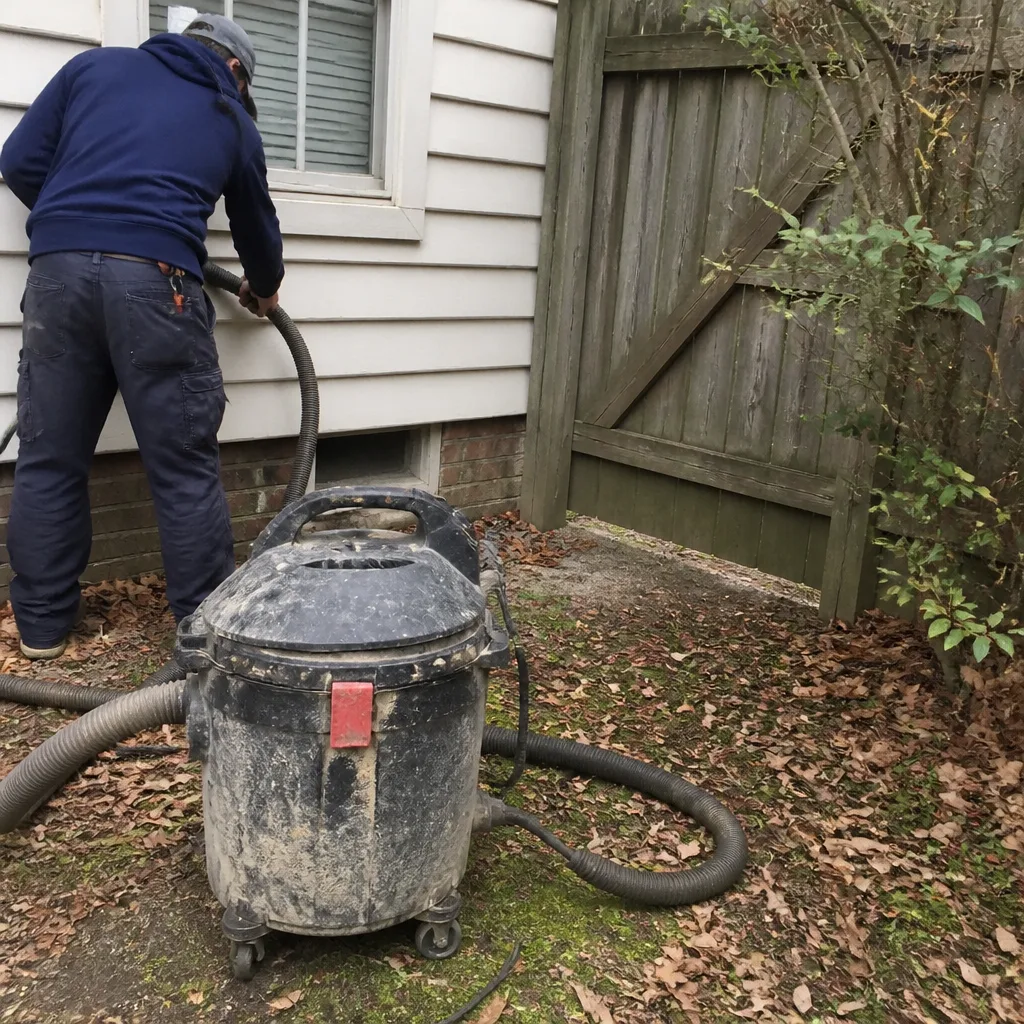 Before
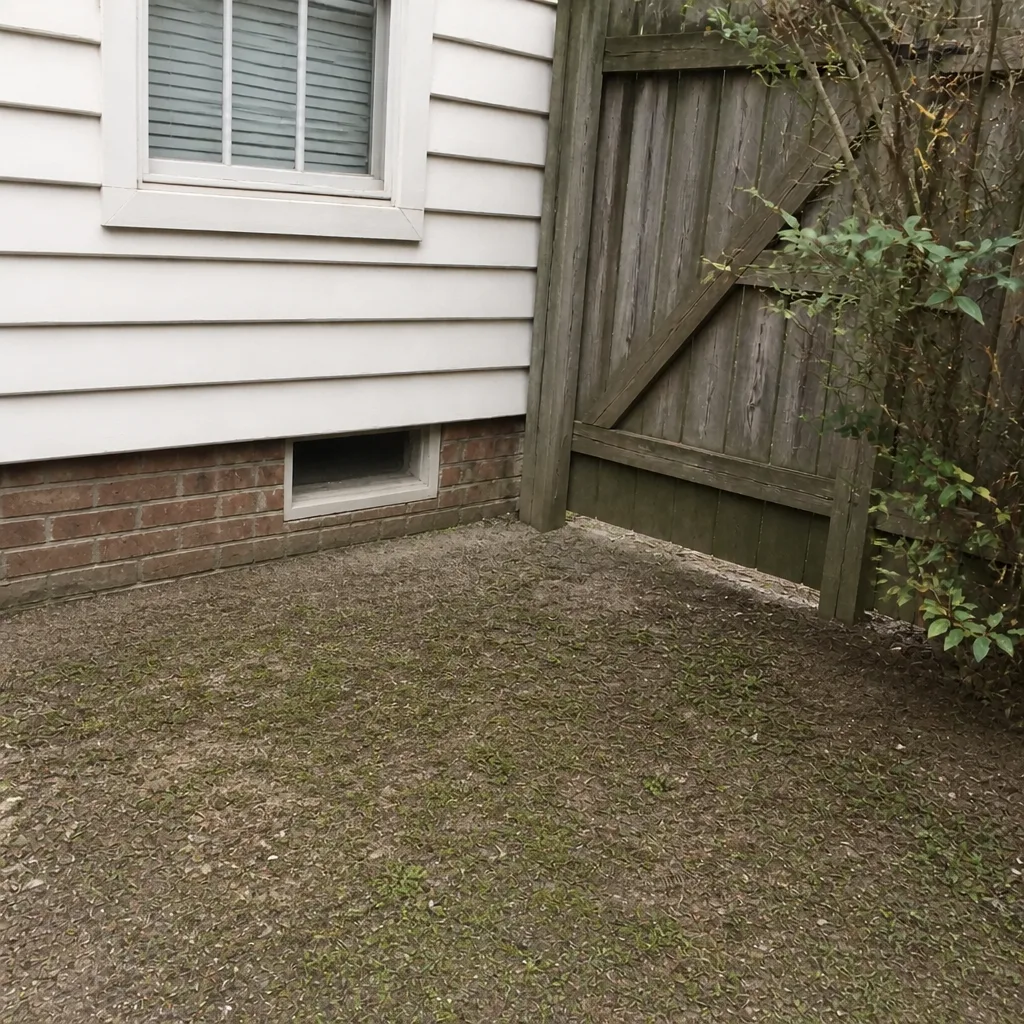 After
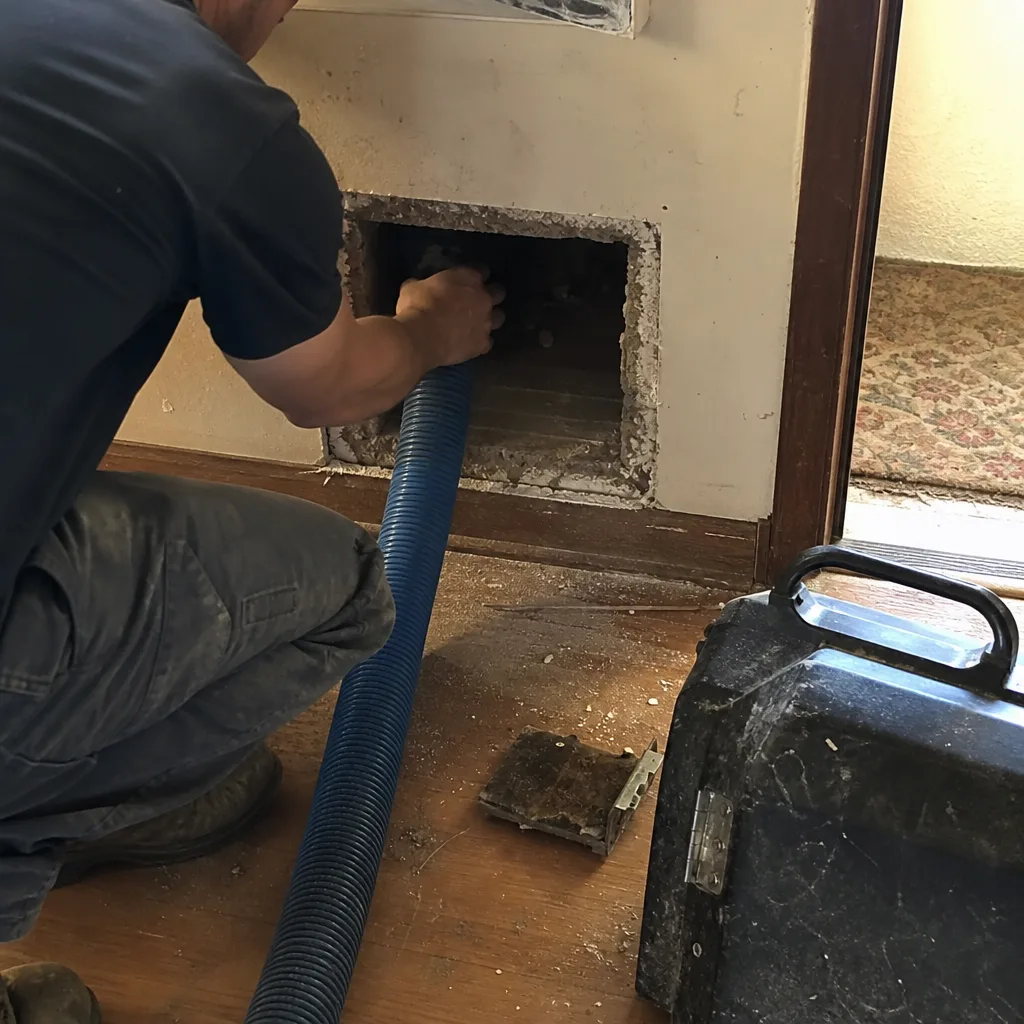 Before
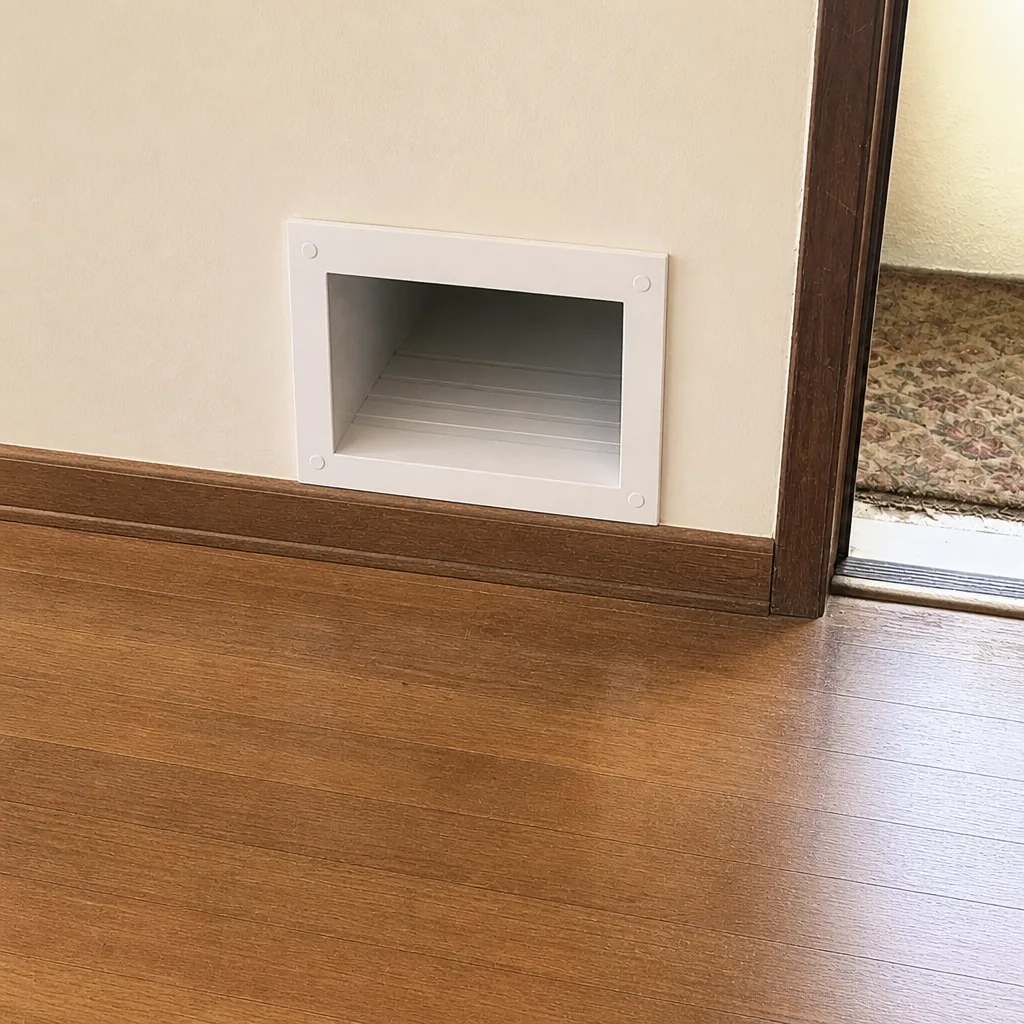 After
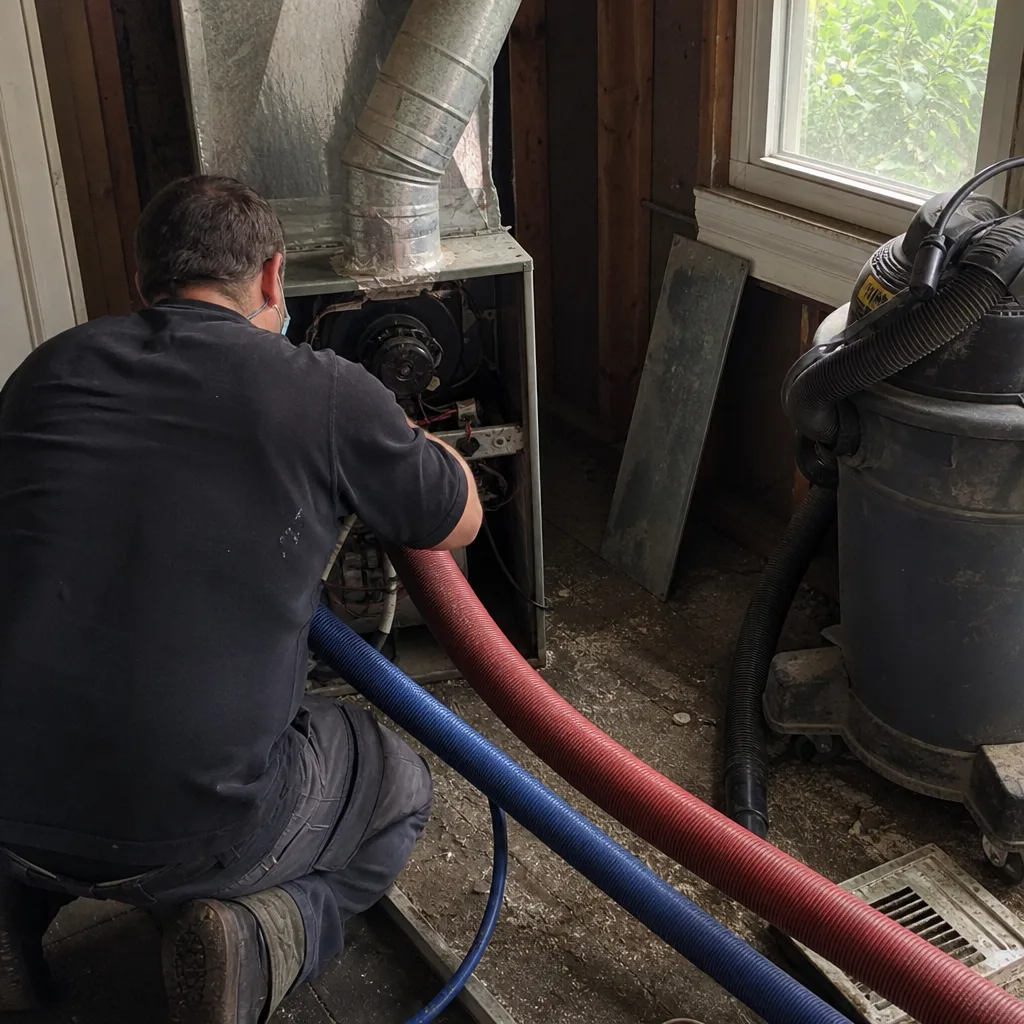 Before
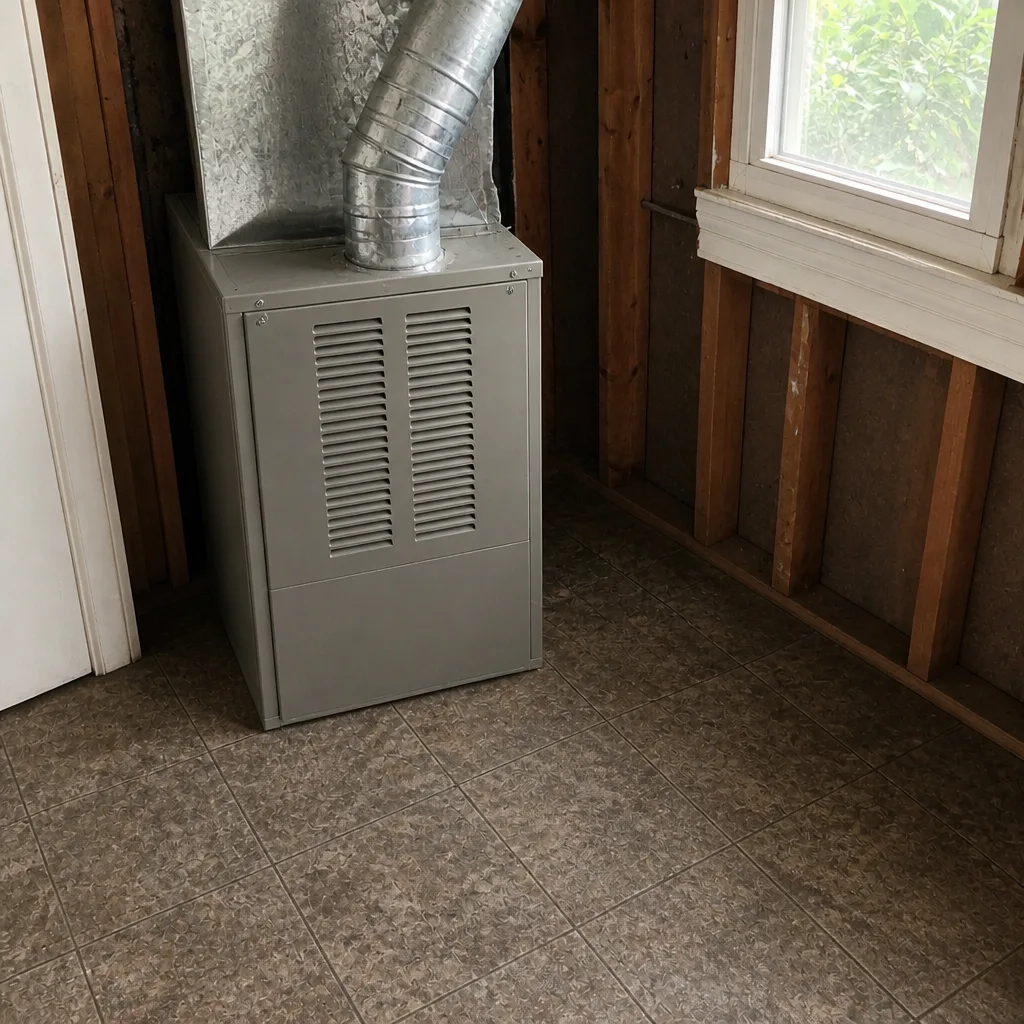 After
Common Mistakes to Avoid
- Booking from a coupon without asking about the scope. A coupon is a starting price, not a final price. Ask what the coupon covers and what’s excluded before you book. If the answer is vague, the coupon is a lead generator, not a service.
- Accepting a phone quote without an inspection. A quote based on square footage is a guess. Sedgefield homes vary too much in duct layout for square footage to tell you anything. Insist on an inspection first.
- Skipping the sealing step. Cleaning without sealing leaves gaps that pull contamination back in. The cleaning result has a shelf life, and sealing is what extends it.
- Comparing “whole-home cleaning” quotes without normalizing the line items. The seven-item list above is the fix. Vent count, air handler, agitation, extraction, containment, sanitizing, sealing. Compare those, not the headline price.
- Assuming a NADCA logo means the crew is following ACR on your job. Membership is a starting point, not a verification. Watch for the assessment photos, containment, and post-clean walkthrough. Those are the evidence.
- Letting a technician start before the written scope is signed. Once tools come out, the negotiation is over. Get the scope in writing first, every time.
- Ignoring the attic and crawlspace access. In Sedgefield, duct runs in unconditioned spaces are common, and how the crew seals access afterward decides whether the job holds up. Ask the question explicitly.
When to Call a Professional
You don’t need duct cleaning on a calendar schedule. You need it when a specific thing is happening in your home. Call when dust reappears on surfaces within days of cleaning. Call when a room smells musty every time the air conditioning runs, especially after a humid stretch. Call when allergy symptoms spike indoors and stay spiked. Call when your energy bills climb without a rate change or a weather explanation. Call after a renovation, because drywall dust settles into ductwork and won’t leave on its own. And call when you’re buying a house in Sedgefield and the inspection report flags the ductwork, because that’s the moment you have leverage to get it handled properly. Air Duct Cleaning Sedgefield offers free estimates in Sedgefield; call (833) 468-5694. We answer 24/7. Fast dispatch from 7am to 7pm, Sunday through Friday.
Frequently Asked Questions
Air duct cleaning in Sedgefield is priced per system, not per vent, and the written estimate sets the final price once the system has been inspected. We won’t quote a number over the phone based on square footage, because that number wouldn’t reflect your actual duct layout. Call (833) 468-5694 for an exact quote. Estimates are free.
Cheap quotes are usually cheaper because they cover less: no air handler, no containment, no sealing, no post-clean photos, and a vacuum that just moves dust instead of extracting it. The price gap isn’t a discount, it’s a scope gap. Ask what the quote excludes, then compare line items. Call (833) 468-5694 for a free estimate that spells out the full scope.
You know because you saw the assessment photos before cleaning and the before-and-after photos after. You also know because the technician walked you through the system at the end and showed you the access points were properly closed. Any contractor who won’t provide that verification is asking for trust instead of earning it. Call (833) 468-5694 to set up an inspection first.
There’s no universal calendar. Some Sedgefield homes go years without needing it, and some need it after a single renovation or water event in the attic. The right interval is determined by what’s actually in the system, not by a maintenance schedule. An inspection answers the question better than a rule of thumb. Call (833) 468-5694 if you’re unsure whether it’s time.
Yes. We work on residential and light-commercial air-handling systems with the same containment and extraction process. The scope of work is larger for commercial square footage, and the written estimate reflects that before any work starts. Call (833) 468-5694 to talk through your building’s setup.
That’s exactly why we offer duct repair and sealing as a core service rather than a referral. If the pre-inspection finds disconnected runs or failed duct wrap, we can address it in the same appointment instead of leaving you to find a separate contractor. Call (833) 468-5694 and we’ll include it in the scope before anything starts.
The Bottom Line
Hiring an air duct cleaning contractor in Sedgefield comes down to one skill most homeowners never use: asking about equipment and process before price. A legitimate crew can name their agitation and extraction systems, describe a pre-inspection, explain containment, and put the full scope in writing. A crew that can’t do that has told you everything you need to know. Use the five diagnostic questions, insist on the seven-item scope, and compare line items instead of headline prices. That’s the difference between a cleaning and a coupon. Our technicians have up to 14 years of experience doing this work, and we’re happy to answer those five questions on the phone before you commit to anything.
Ready to get a straight answer about your system? Call (833) 468-5694 for a free estimate. We answer 24/7. Fast dispatch from 7am to 7pm, Sunday through Friday.
Written by the team at Air Duct Cleaning Sedgefield.