
Last updated November 23, 2026
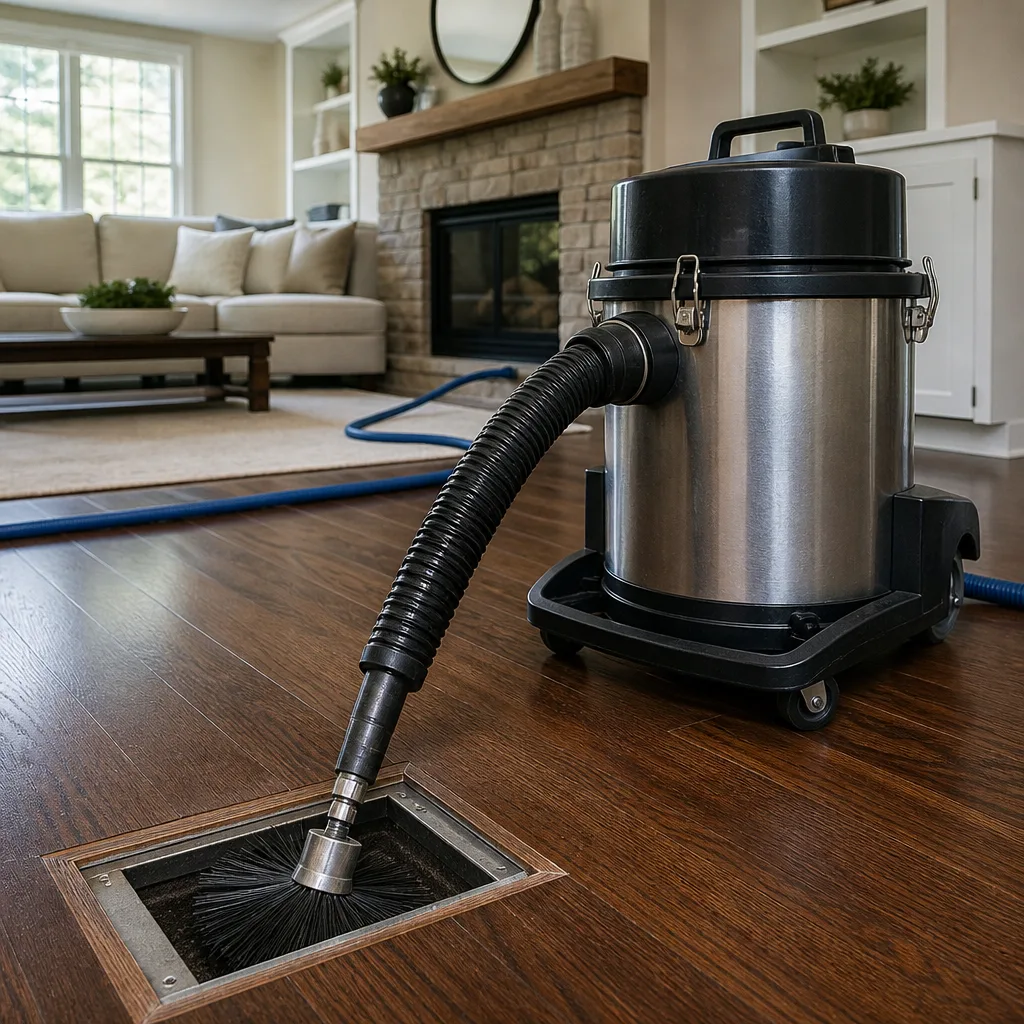 Whole-home duct cleaning
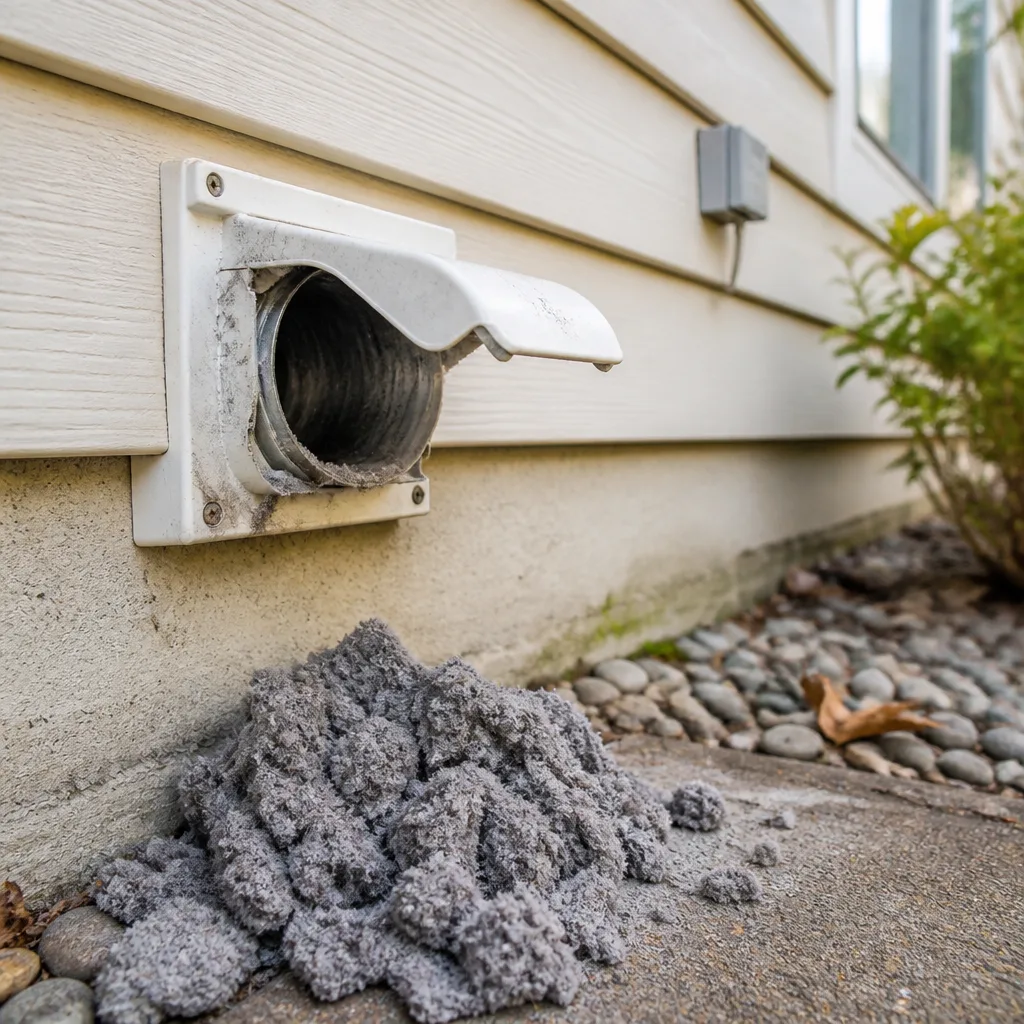 Dryer vent cleaning
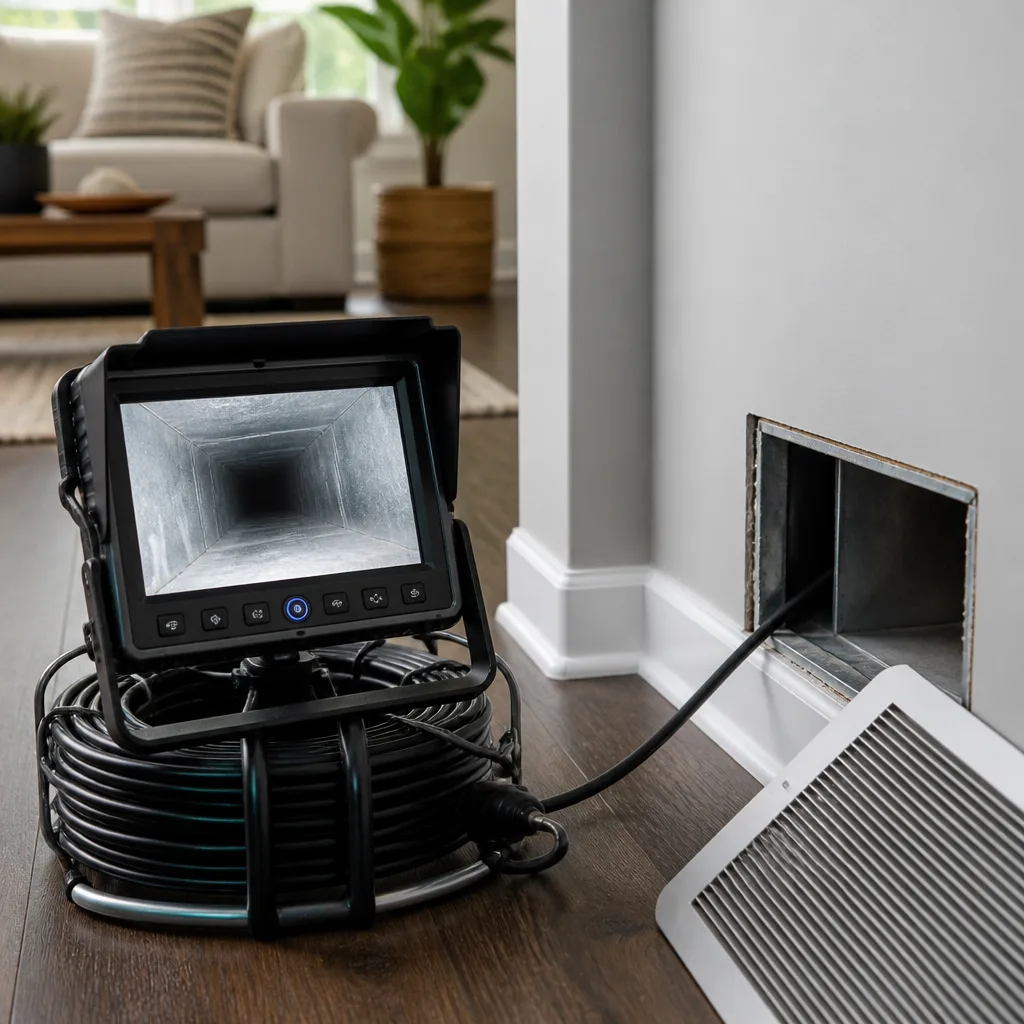 Camera inspection
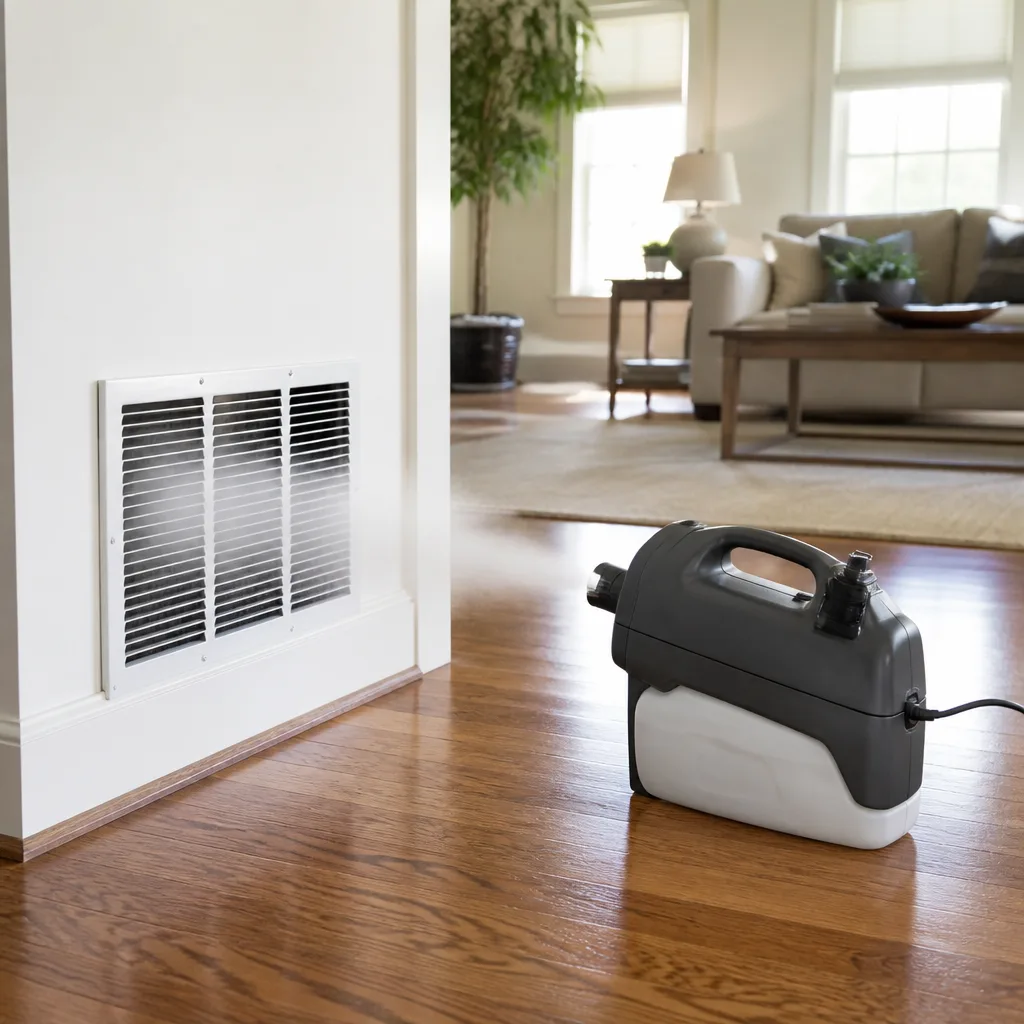 Sanitizing & deodorizing
Whole-system duct and dryer vent check with before-and-after photos - you see exactly what came out of your vents
That "$99 whole-house special" is a bait ad - the real number appears once they are in your hallway, or the "clean" is a shop-vac at the register. We photograph the inside of your ducts before and after instead.
Seasonal Air Duct Cleaning Care for Sedgefield: Year-Round Homeowner’s Guide
The worst time to discover your ducts harbor mold growth is the first day you run the heat in October – by then, three months of condensation and biological activity have already moved through every room in your house. Most homeowners treat duct cleaning as a single annual event, a box to check in spring or fall. In Sedgefield, that schedule misses the point. Our summers run the air conditioner hard for months, our winters are mild but damp enough to keep the system cycling, and the shoulder seasons stir up their own debris. This guide maps each season to the specific contamination risk it creates and the maintenance response that actually addresses it, so you’re cleaning at the right time for the right reason.
Quick Answer
Seasonal air duct cleaning in Sedgefield works best on a two-window schedule: one cleaning or inspection before summer cooling season and another before the heating switchover in fall, because the humid Piedmont summer feeds a different kind of contamination (moisture-driven biofilm and mold at the coil) than winter (dry dust concentration and debris from the fall). A single annual cleaning misses one of these windows. The right timing depends on whether your system is contamination-heavy or merely dusty, which a switchover inspection reveals.
Styles & brands we work with
- Whole-home duct cleaning
- Dryer vent cleaning
- Camera inspection
- Sanitizing & deodorizing
Table of Contents
- How Sedgefield’s HVAC Seasonal Cycle Creates Two Contamination Windows
- Why Summer Humidity Is the Higher-Risk Season in Sedgefield
- The Pre-Summer Inspection Checklist
- What a Technician Should Check at HVAC Switchover
- Filter Change Timing: Why Spring and Fall Differ in a Humid Piedmont Climate
- Spring Pollen Loading and Fall Debris: Two Different Problems
- Winter Dust Concentration and the Closed-House Effect
- Why Seasonal Care Means the Whole Air Pathway
How Sedgefield’s HVAC Seasonal Cycle Creates Two Contamination Windows
Most duct cleaning advice assumes a single yearly rhythm. In Sedgefield, the HVAC system runs in two distinct modes across the year, and each mode moves a different kind of contamination through the ducts. Treating the system as one annual chore means you respond to one window and ignore the other.
The first window opens in late spring, as the air conditioner comes on for the cooling months. In a humid Piedmont climate, the evaporator coil stays wet through much of that season, and that constant condensation feeds the conditions where biological growth takes hold. The second window is the fall switchover, when the system flips from cooling to heating. That moment stirs loose debris, dust, and anything that settled over the summer, and the drier air concentrates particulates in the airstream.
Here’s the seasonal breakdown we work from when advising Sedgefield homeowners:
- Spring: outdoor pollen loads are high, and the return-side ducting pulls airborne particles in. The system is transitioning from heating to cooling, so this is the moment to catch spring debris before it settles.
- Summer: the longest active window. The AC runs continuously, coil condensation stays wet, and humidity drives biofilm and microbial growth at the coil that migrates into supply ducts within weeks.
- Fall: the switchover to heat. Debris that moved through during summer resettles and then gets blown through the house when the furnace or heat pump first fires up.
- Winter: windows and doors stay closed, indoor humidity drops, and dry dust concentrates in a sealed envelope with less fresh-air exchange to dilute it.
Because these windows demand different responses, a spring cleaning isn’t interchangeable with a fall one. In spring you’re removing pollen and organic load; in fall you’re clearing settled dust and debris before the heating season circulates it. Our full air duct cleaning service addresses both, but the timing of each matters.
Why Summer Humidity Is the Higher-Risk Season in Sedgefield
Of the two windows, the summer one carries the higher contamination risk in Sedgefield. That surprises homeowners who assume winter is the problem because the house feels stuffier. But the mechanism lives at the evaporator coil, and the coil is wettest when the AC runs hardest.
Here’s how it works. As warm, humid air passes over the cold coil, moisture condenses on the fins and in the drain pan. In a humid Piedmont summer, that coil stays damp nearly every day it runs. Damp surfaces plus dust that made it past the filter equals the conditions where mold and bacteria establish. Once growth takes hold at the coil and the immediate plenum, the airstream carries spores into the supply ducts and out through every register.
Within weeks of a wet coil, microbial growth can migrate into the supply runs. That’s why we treat summer as the season to prioritize the coil and plenum, not just the duct interiors. Two pieces of our equipment matter here:
- Nikro HEPA-rated vacuum systems capture fine particulate during cleaning so it doesn’t recirculate into the home while we work.
- Guardsman antimicrobial treatment is applied after cleaning to inhibit mold, bacteria, and odor at the duct surface, addressing the growth that wet coils encourage.
We also deploy Abatement Technologies air scrubbers for negative-pressure containment during service, which keeps disturbed contaminants from drifting back into living spaces. That’s standard in remediation work and rare in routine duct cleaning. If you smell a musty odor when the AC runs in July, that’s the coil telling you the summer window has already opened. Call (833) 468-5694. We answer 24/7. Fast dispatch from 7am to 7pm, Sunday through Friday.
The Pre-Summer Inspection Checklist
Before cooling season, a Sedgefield home should get a targeted inspection rather than a full cleaning every time. The goal is to read the system’s condition and decide whether cleaning is warranted. Here’s the checklist we run through, tied to the local climate rather than a generic national template:
- Inspect the evaporator coil and drain pan for standing water, slime, or visible growth. A humid Piedmont summer punishes a pan that doesn’t drain freely.
- Check the drain line for clogs before the heavy-use months. A blocked line backs moisture into the pan and the surrounding duct.
- Look at the return-side ducting and filter slot for the pollen film that builds in spring. Heavy accumulation here signals the system is pulling outdoor debris in.
- Assess filter condition and fit – a filter that’s the wrong size or sitting loose lets unfiltered air bypass it entirely.
- Check supply registers and visible duct runs for dust streaks, which point to gaps and leaks pulling dirty air in.
- Note odors – a musty smell at the registers before summer means growth is already established.
- Confirm the condensate management and any dehumidification setup, especially if the home runs a whole-home dehumidifier or the system relies on humidity control.
If the inspection turns up growth at the coil, heavy pollen loading, or visible dust throughout the runs, that’s when cleaning is the right call. If the system reads clean, we tell you so and revisit at the fall switchover. The full scope of what a cleaning covers – ducts, HVAC components, and dryer vents – is part of our HVAC cleaning service when the assessment warrants it.
What a Technician Should Check at HVAC Switchover
The fall switchover is a diagnostic opportunity, not automatically a cleaning trigger. A technician who knows what to look for can assess duct condition at the moment the system changes modes, before heating season circulates everything that settled over the summer. Here’s what that assessment should cover:
- Coil and plenum condition after a wet summer – confirm no lingering growth or moisture before dry heating air starts moving.
- Duct joints and seams – a switchover check is the natural time to spot gaps, disconnected runs, or failing seals that let debris and unconditioned air in.
- Settled debris in the return and supply runs – summer leaves dust behind; the switchover reveals how much.
- Filter loading since spring – a filter that loaded fast over summer tells you about particulate volume in the home.
- Blower and cabinet cleanliness – the components that move air accumulate dust too.
- Register airflow and balance – weak flow at some registers can point to a blocked or leaking run.
Sealing is the step most cleaners skip entirely, and it’s the one that protects everything else. If a switchover check finds gaps and leaks, our Duct Repair & Sealing service addresses the root cause of energy loss and contamination re-entry. Cleaning without sealing means the results leak back out. That’s why we offer repair and sealing as a core service rather than an upsell.
Filter Change Timing: Why Spring and Fall Differ in a Humid Piedmont Climate
A spring filter swap and a fall filter swap are not the same task in Sedgefield. The climate changes what the filter is catching, and that changes how you should think about timing.
In spring, the load is organic and airborne: pollen, fine plant debris, and the particulate that comes with open-window weather before cooling season. A filter selected and timed for spring should handle finer particulate, because pollen grains and the associated dust are the dominant load. As the AC comes on and the house closes up, you want a fresh filter in place to catch what the return pulls in.
In fall, the load shifts. The system has run all summer, the filter has been working through the humid months, and the heating switchover will stir settled debris. A fall filter change should come before the first real heating cycle, not after, so the furnace or heat pump isn’t pushing dust through a loaded filter at the start of the season.
The practical difference comes down to a few points:
- Change before the season, not mid-season, so the fresh filter is in place when the system’s mode changes.
- Match filter grade to the season’s load – finer filtration pays off in spring pollen, and a well-fitted filter prevents bypass year-round.
- Check fit and seal at every change; a loose filter in a humid climate lets unfiltered air around the edges.
- If filter loading is unusually fast, that’s a signal about duct condition worth investigating.
For homeowners ready to upgrade whole-home filtration, we integrate Honeywell and Aprilaire air quality products on-site at the point of service rather than referring you elsewhere. Better filtration and a sealed, clean duct system work together – which is exactly what our Air Duct Cleaning Sedgefield team is set up to deliver.
Spring Pollen Loading and Fall Debris: Two Different Problems
Spring and fall both send debris into the airstream, but they aren’t the same problem, and treating them identically is a mistake. Understanding the difference tells you what a cleaning should actually target in each season.
Spring is about incoming biological load. In a humid Piedmont climate, pollen season is intense, and return-side ducting pulls outdoor particles in whenever the system runs with windows open or the envelope isn’t tight. That pollen and fine organic material settles in the return runs and on the filter. Left alone through summer, it becomes a food source on a damp coil. Spring care should focus on the return side, the filter, and preventing that organic material from reaching a wet coil.
Fall is about resettling and circulation. After a summer of continuous cooling, dust and debris that moved through the system has settled in the runs. When the heat comes on, that settled material gets lifted and pushed through the house. Fall care should focus on clearing the runs before the heating cycle circulates them, plus the duct condition check at the switchover.
This is also where duct condition matters beyond cleaning. Gaps and leaks let outdoor debris in year-round, so sealing is a spring and fall task both. Our dryer vent cleaning follows the same seasonal logic – the dryer vent, like the ductwork, benefits from attention before heavy-use months rather than after.
Winter Dust Concentration and the Closed-House Effect
Winter is the quiet season for HVAC contamination in Sedgefield, but it isn’t a safe one. Milder winters still keep the system cycling, and because windows and doors stay closed, indoor air recirculates more with less fresh-air exchange. That concentrates dry particulate.
The risk in winter isn’t growth – cold, dry air doesn’t feed the damp-coil conditions summer does – it’s accumulation. Every load of dust that moves through the system has nowhere to vent when the house is sealed. If the ducts weren’t cleared at the fall switchover, the first weeks of heating push that dust through the living space repeatedly.
Winter maintenance is mostly about restraint and observation. A few things to watch:
- Watch for dust settling fast on surfaces right after the heat comes on – that’s the system circulating what wasn’t cleared.
- Keep filters changed on the schedule your loading reveals, and check them more often in a sealed house.
- Note any new musty smell; winter is a good time to confirm the summer coil was actually addressed.
- Plan the spring inspection now, before pollen season, so the system is assessed at the start of its heavy window.
If winter reveals a problem – fast dust return, a lingering odor, uneven airflow – that’s a sign the fall switchover care was incomplete. Cleaning the full system, not just the vents you can see, is how you reset it before summer.
Why Seasonal Care Means the Whole Air Pathway
Seasonal care only works if it addresses the entire air pathway. Cleaning the visible vents and calling it done leaves the coil, the plenum, the blower, and the duct runs untouched – which is where the seasonal contamination actually lives. Our approach is to clean, repair, seal, and sanitize the full pathway so the seasonal responses build on each other.
That means Rotobrush rotary-brush agitation paired with Nikro HEPA extraction, so contaminants come out rather than getting pushed around. It means Abatement Technologies containment during service to keep disturbed material out of your living space. It means Guardsman treatment after cleaning to inhibit growth and odor at the duct surface. And it means Duct Repair & Sealing so the results hold. Industry-specific experience matters too: our technicians have up to 14 years of experience reading systems in this climate.
One call addresses the full air-handling system – cleaning, dryer vent service, HVAC components, repair and sealing, and sanitizing – because the seasonal windows don’t align neatly with a single-service visit. Schedule the right service at the right window and the sequence works. Call (833) 468-5694 for a free estimate. We answer 24/7. Fast dispatch from 7am to 7pm, Sunday through Friday.
Common Mistakes to Avoid
- Cleaning once a year and assuming it covers both windows. In Sedgefield’s climate, a spring cleaning doesn’t address what fall switchover needs, and a fall cleaning misses the wet-coil risk of summer.
- Waiting until the musty smell is obvious. By the time you smell mold in the airstream, growth at the coil has already migrated into the supply runs. Address the coil before the smell appears.
- Changing the filter only when you remember to. A spring swap and a fall swap catch different loads; treating them as one task leaves the system under-filtered for part of the year.
- Skipping the switchover inspection because “it’s running fine.” A switchover check reads duct condition without a full cleaning. It’s how you catch gaps and loading before heating season circulates them.
- Having the ducts vacuumed but not sealed. Cleaning without sealing lets contaminated air leak back in through the same gaps. Sealing is the step that protects the results.
- Trusting a shop-vac setup for a humid-climate job. A basic vacuum doesn’t agitate or contain the way Rotobrush and Nikro equipment paired with negative-pressure containment does, and it misses growth at the coil.
- Assuming a milder Sedgefield winter means the system rests. The closed-house months concentrate dry dust. The winter plan is observation, not neglect.
See the difference
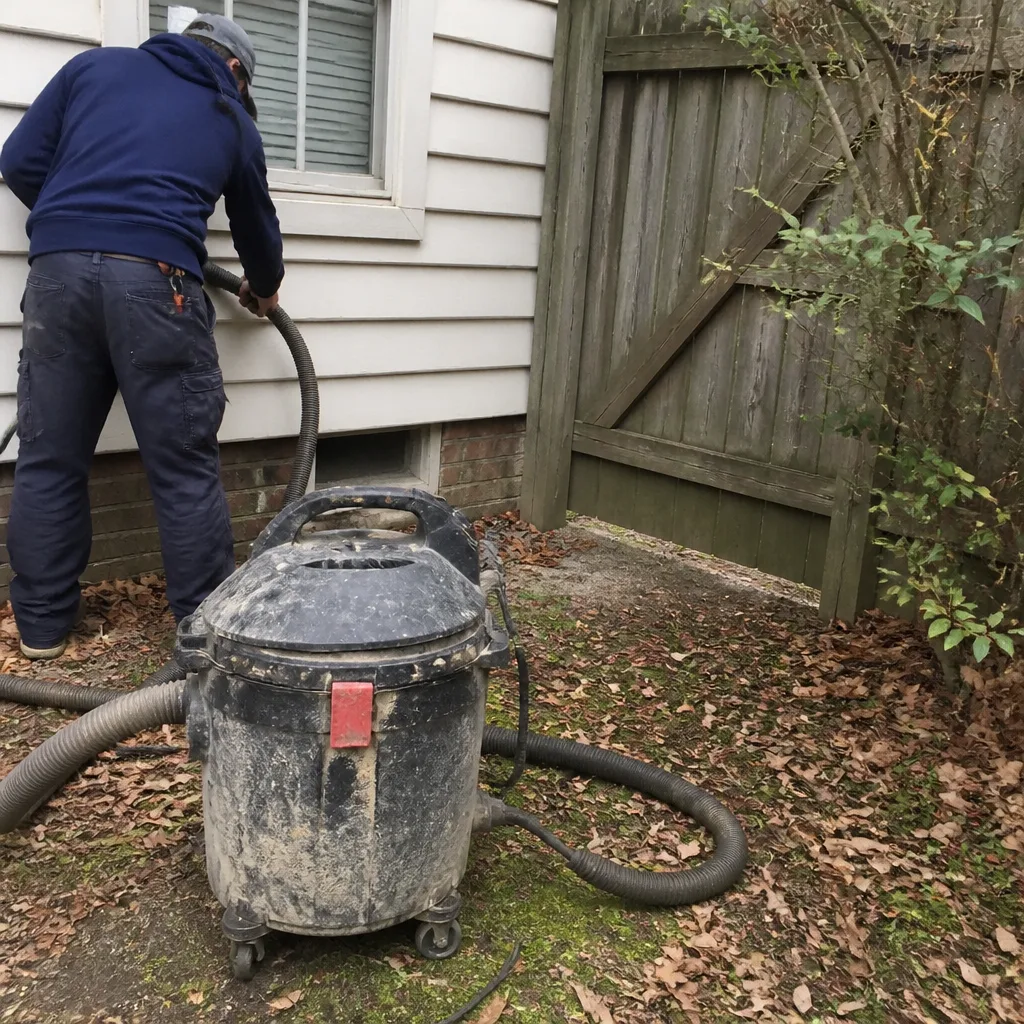 Before
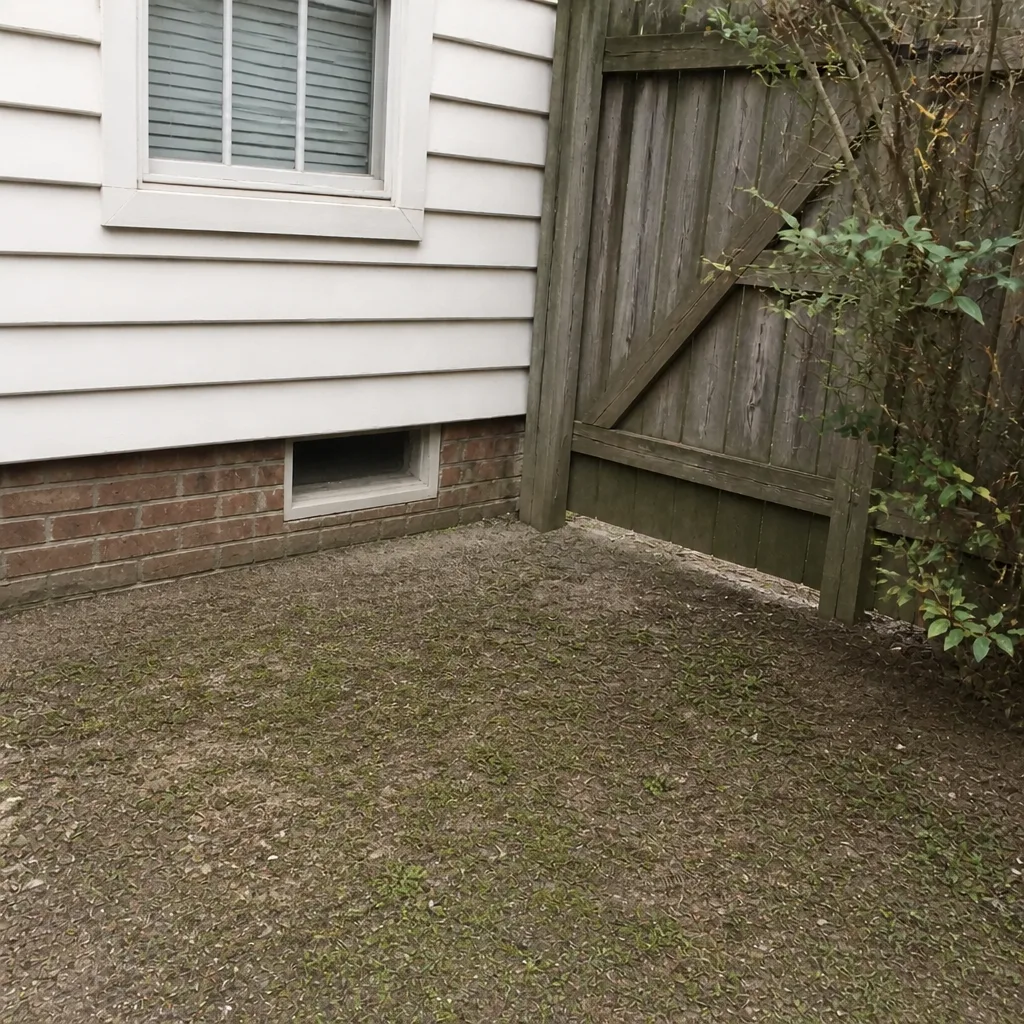 After
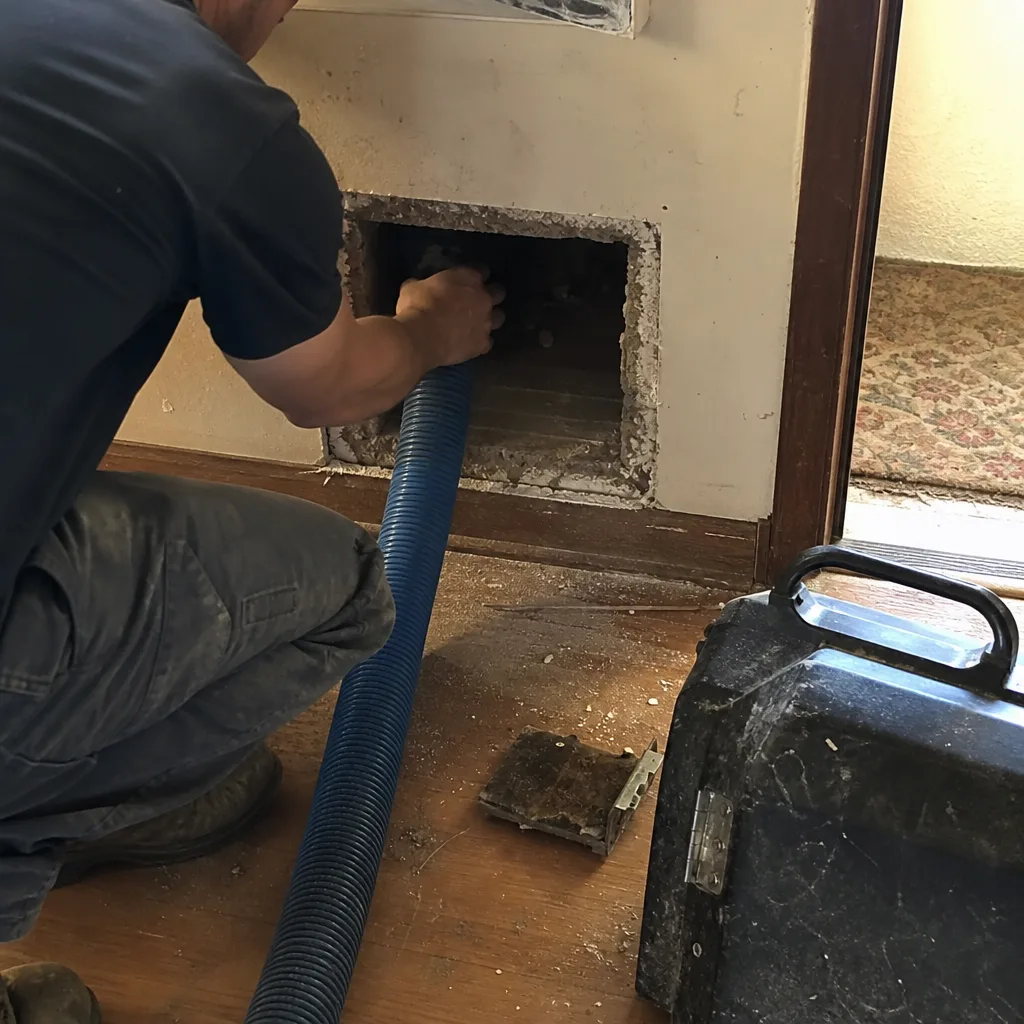 Before
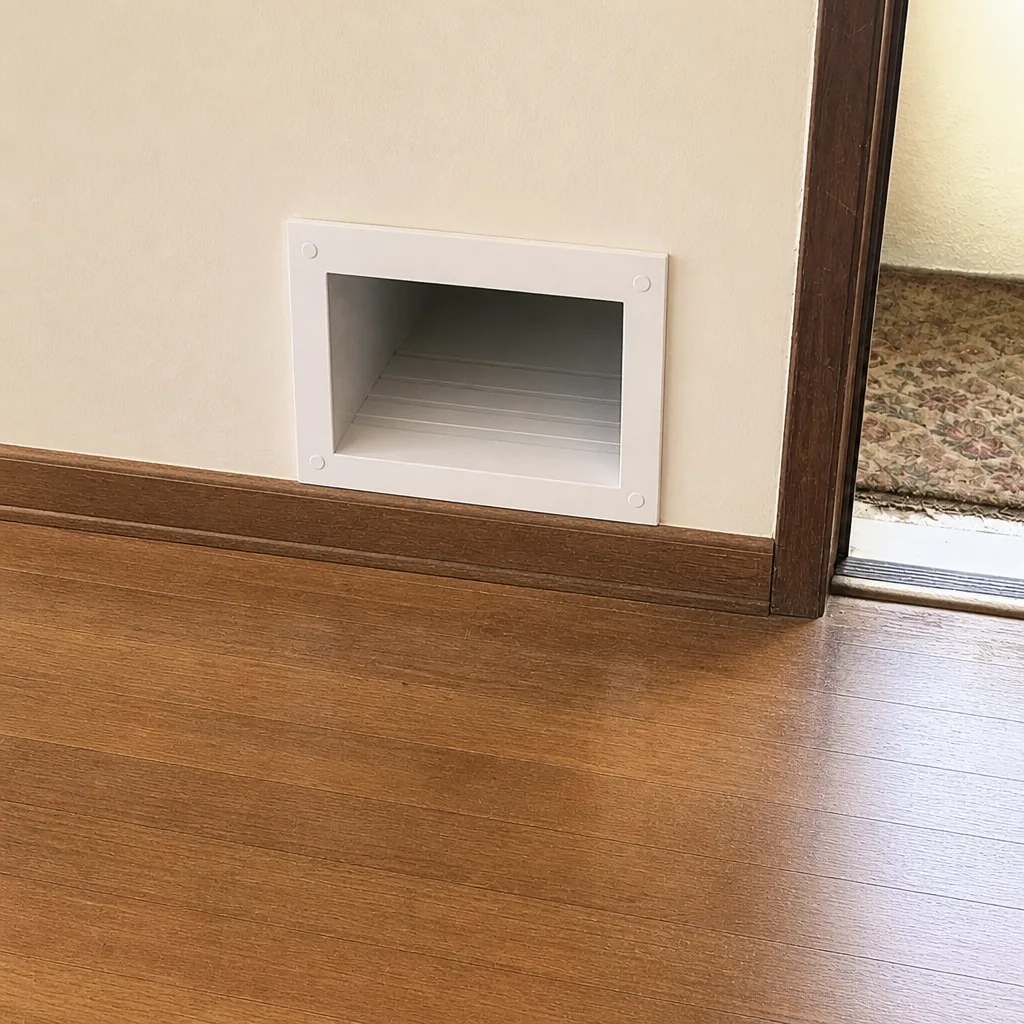 After
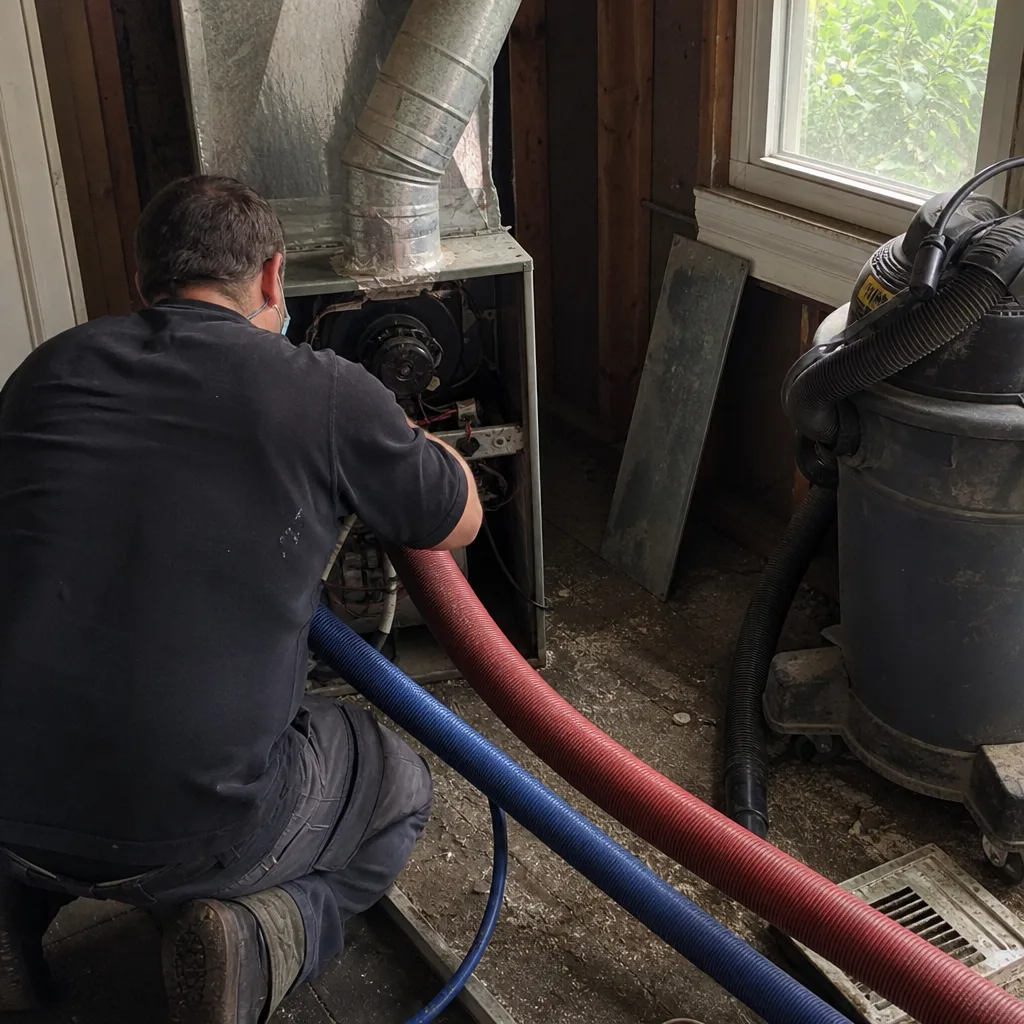 Before
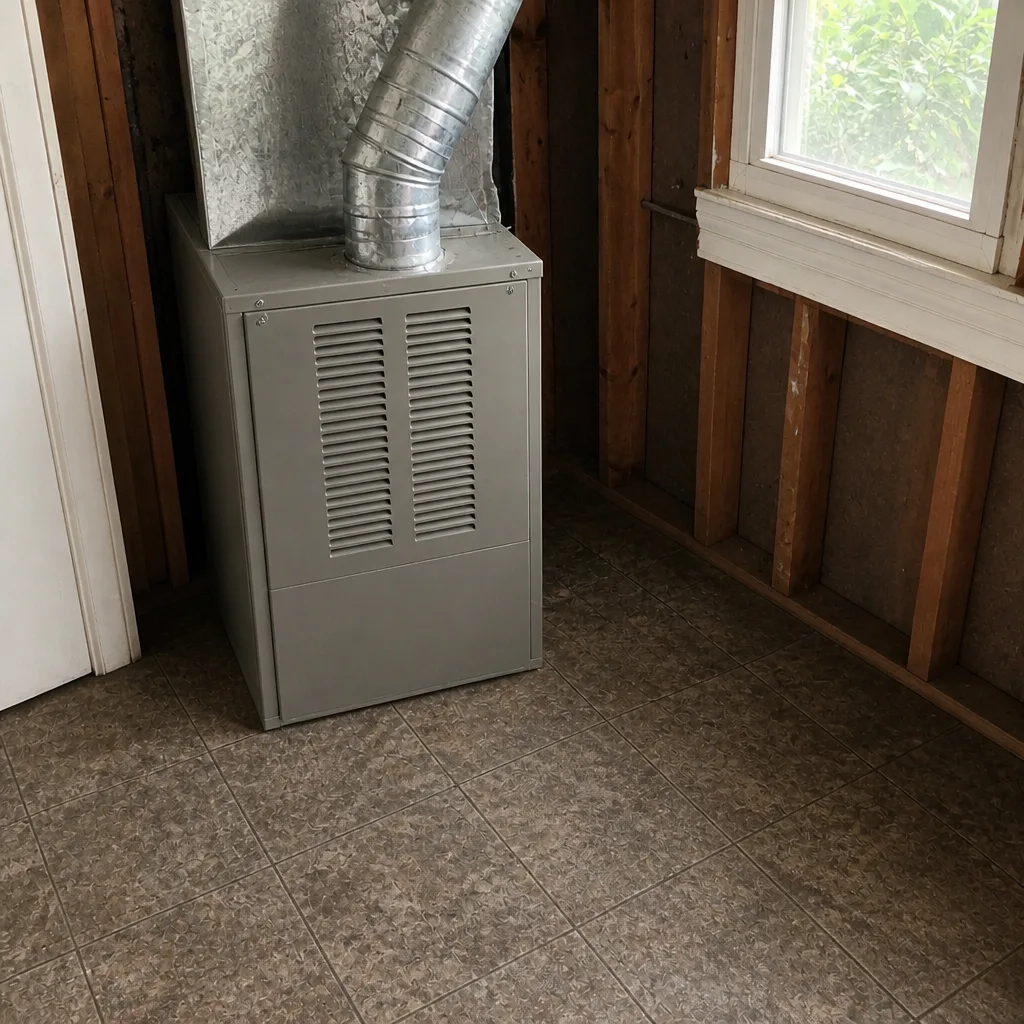 After
When to Call a Professional
Some seasonal care you can handle yourself – filter changes and visual checks at the registers. Other signals call for a trained professional: a persistent musty or moldy odor when the system runs, visible dust streaking around vents and seams, fast dust return after cleaning, uneven airflow between rooms, a wet or slimy drain pan, or damage to duct runs from pests or moisture. If a fall switchover reveals gaps or disconnected runs, sealing is a professional job. Air Duct Cleaning Sedgefield offers free estimates in Sedgefield – call (833) 468-5694. The price is set per job by the written estimate, one flat price per system agreed before work starts, and you get before-and-after photos so you know the work was actually done.
Frequently Asked Questions
For most Sedgefield homes, a full cleaning before summer and an inspection at the fall switchover is the better rhythm than a single annual cleaning, because humid summers and the heating transition create two different contamination windows. Homes with pets, allergy sufferers, or a history of moisture at the coil may need more frequent cleaning; the switchover inspection tells you which.
Summer is higher-risk because the evaporator coil stays damp for months in the humid Piedmont climate, and that condensation feeds microbial growth at the coil and plenum. That growth can migrate into supply ducts within weeks, which is why the coil and containment matter as much as the duct interiors. Call (833) 468-5694 for an exact quote – estimates are free.
No. A switchover inspection reads the system’s condition without a full cleaning every time; you clean when the inspection finds growth, heavy loading, or leaks, and you recheck when it doesn’t. The inspection itself is what lets you skip unnecessary cleanings while still catching problems early.
The price is set per job by a written estimate, not a per-vent rate or a teaser coupon, and it’s one flat price per system agreed before any work starts. That structure is deliberate: it avoids the bait-and-switch where a low price grows into a big invoice once the technician is on site. Call (833) 468-5694 for a free estimate.
Cheaper quotes typically mean a one-step vacuum that neither agitates the duct surface nor contains the dust it disturbs, and it skips the coil, sealing, and treatment steps where the seasonal problems actually live. A quote that doesn’t include containment, sealing, or a look at the coil isn’t pricing the same job. Ask what’s covered before you compare on price alone.
Ask for before-and-after photos of your own ducts, not stock images. And ask whether the service included containment, cleaning, sealing, and sanitizing, because those steps are what you’re paying for. With our service you see your own system’s before-and-after, and the flat price per system is agreed in writing up front.
The Bottom Line
Sedgefield’s four-season HVAC pattern makes duct care a two-window job, not an annual chore. The humid summer drives wet-coil growth that needs a pre-summer response, and the fall switchover circulates settled debris that needs clearing before the heat comes on. Pair those with a spring pollen strategy and winter observation, and the year is covered. The system rewards attention at the right moment with better air and less energy waste. If you’re ready to map your home’s seasonal schedule, Air Duct Cleaning Sedgefield offers free estimates – call (833) 468-5694. We answer 24/7. Fast dispatch from 7am to 7pm, Sunday through Friday.
Written by the team at Air Duct Cleaning Sedgefield.