
Last updated November 23, 2026
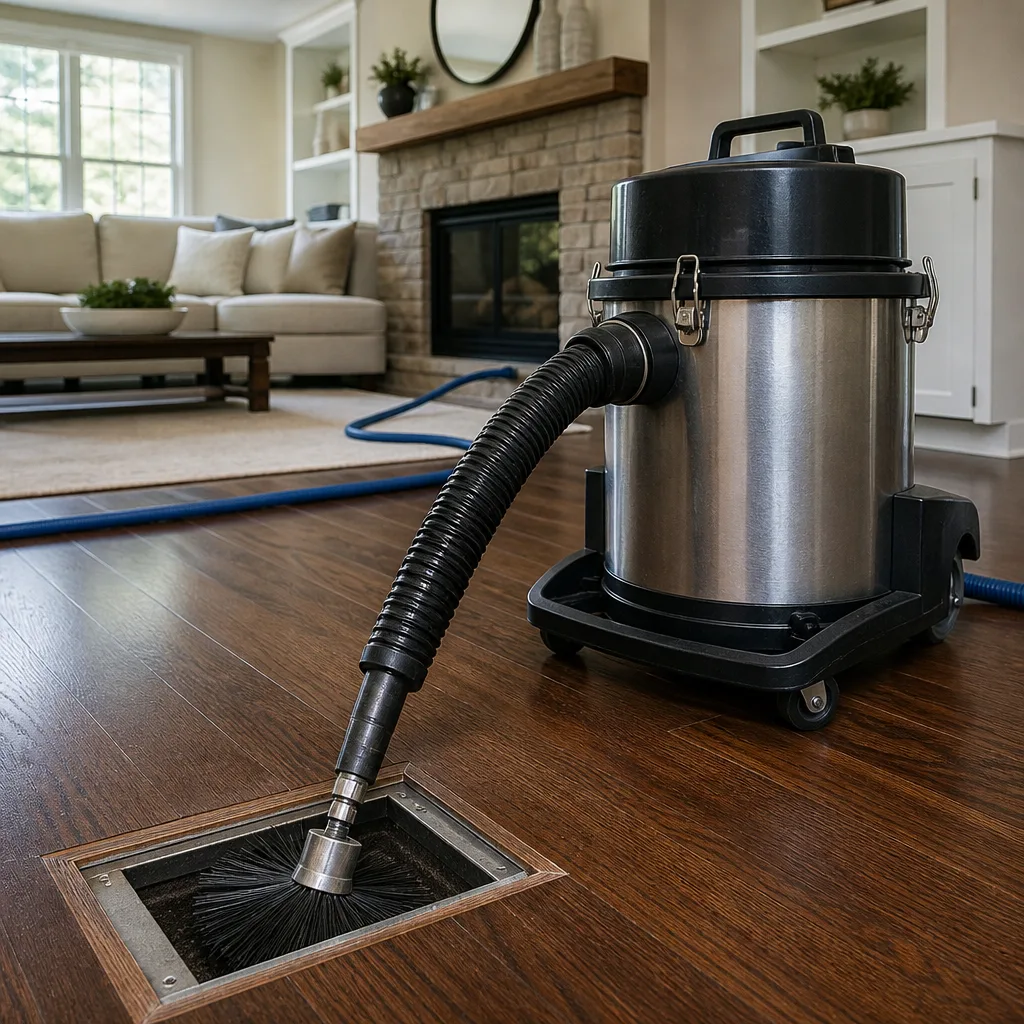 Whole-home duct cleaning
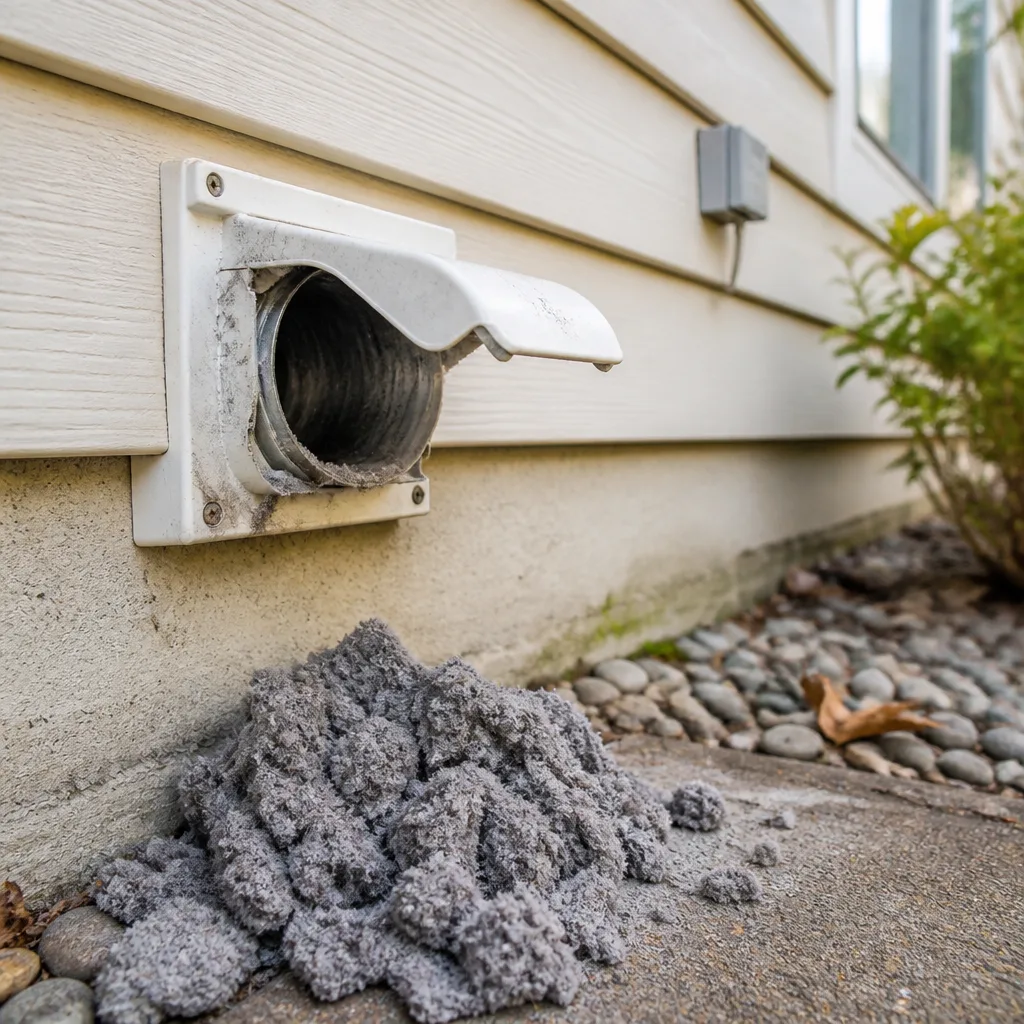 Dryer vent cleaning
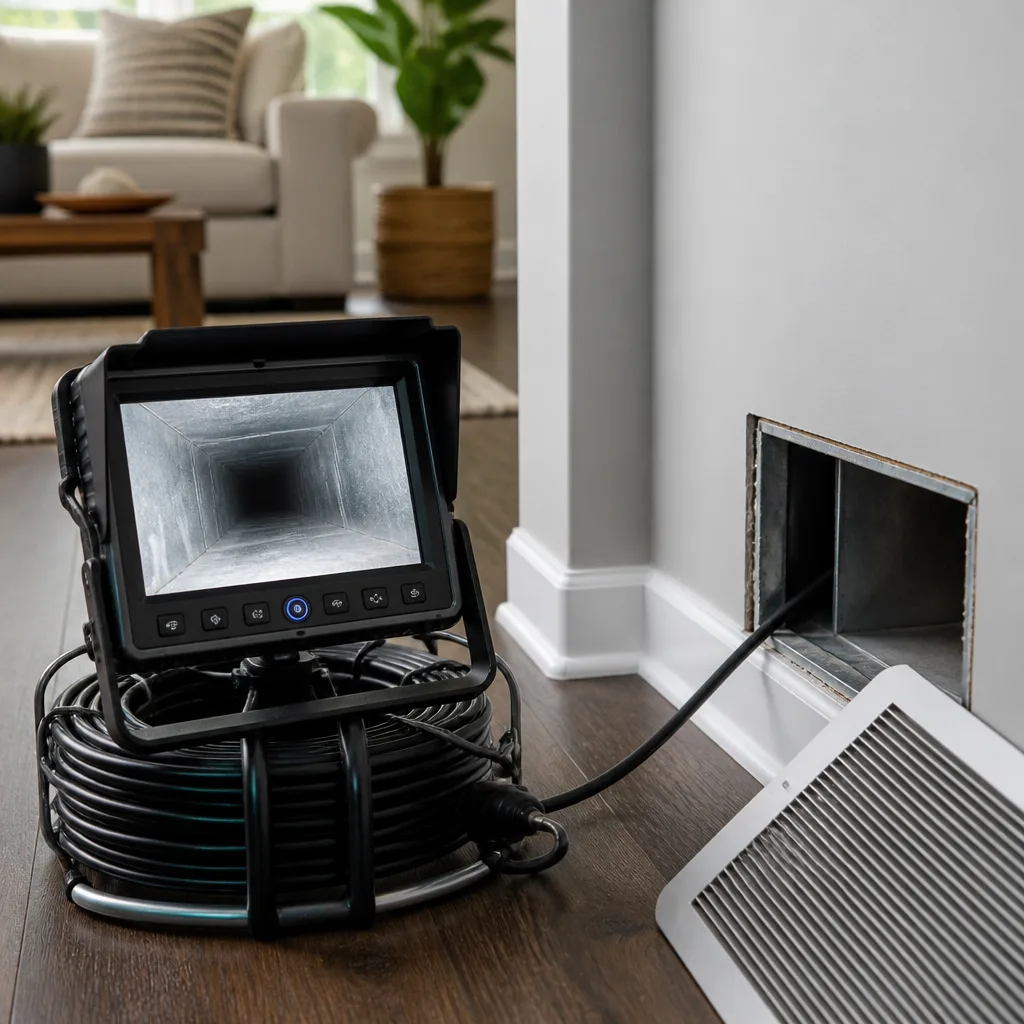 Camera inspection
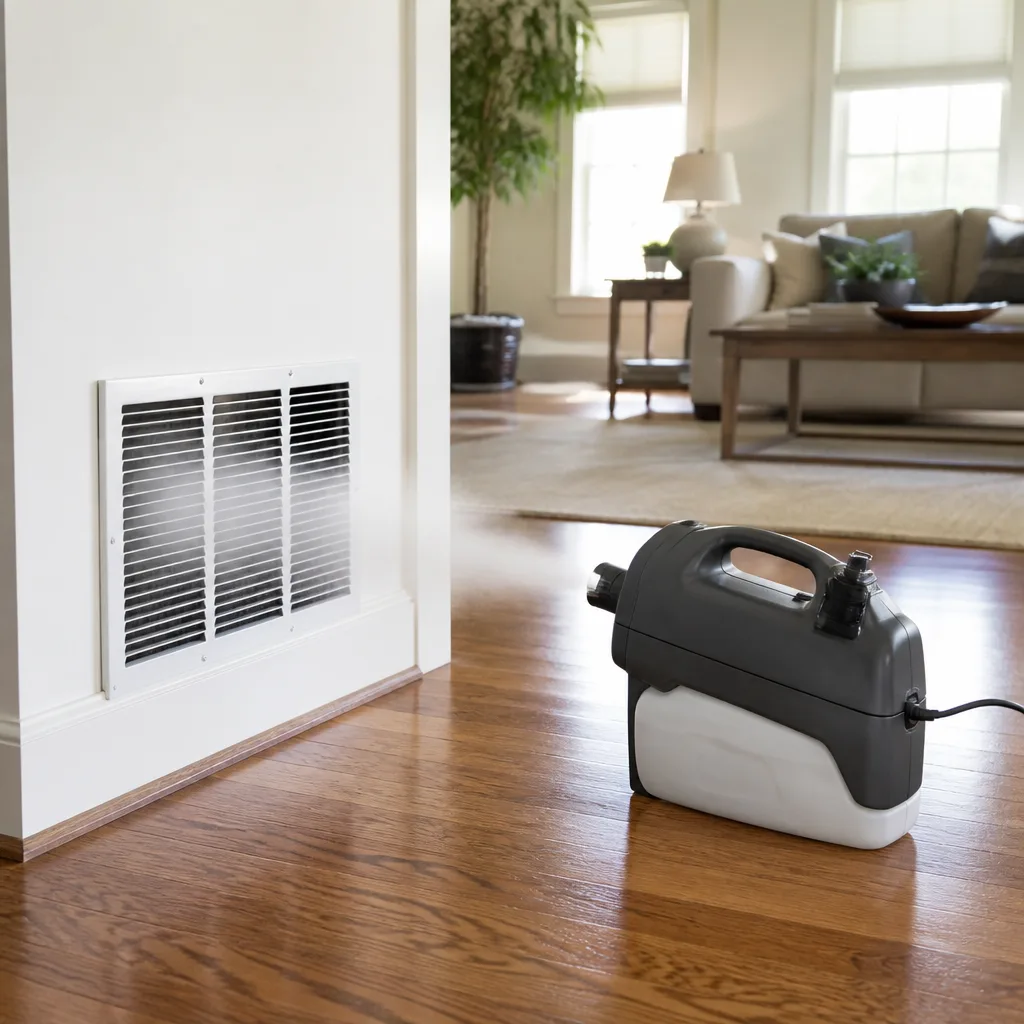 Sanitizing & deodorizing
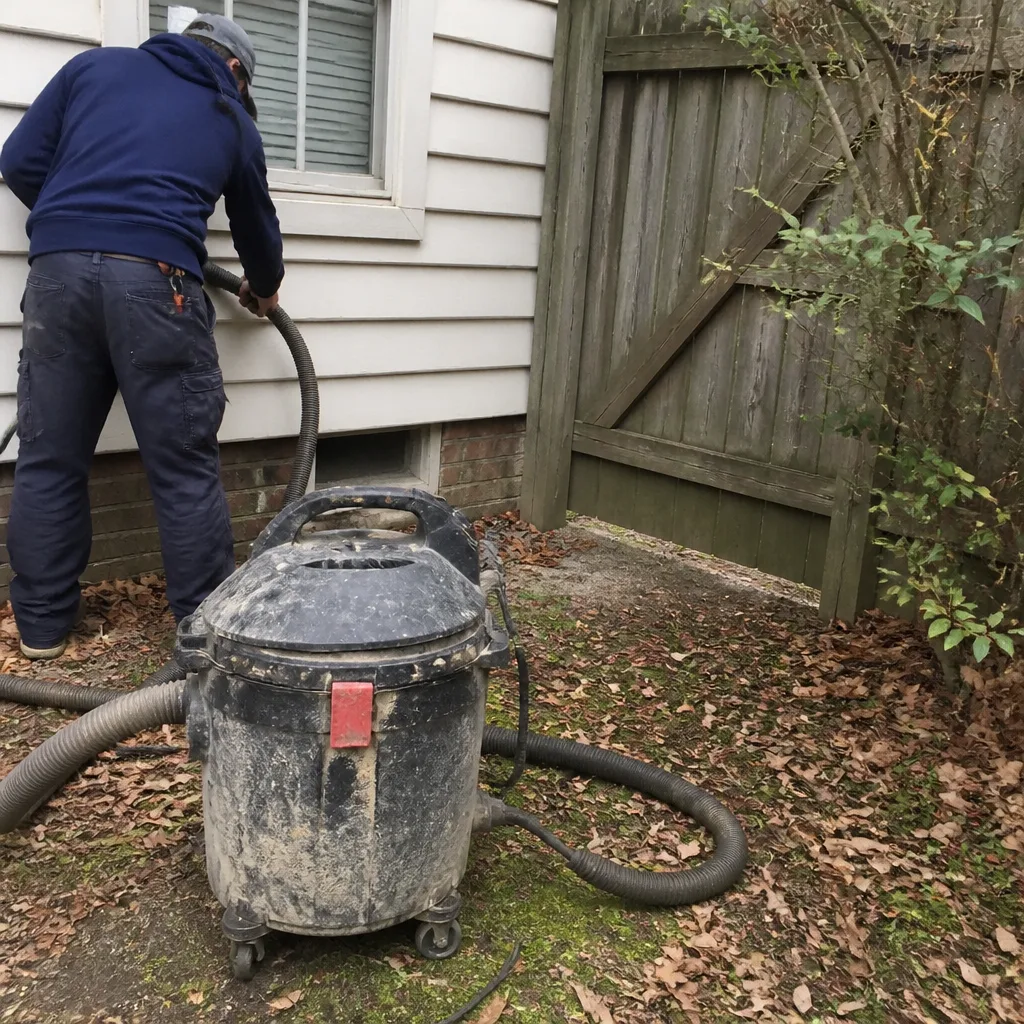
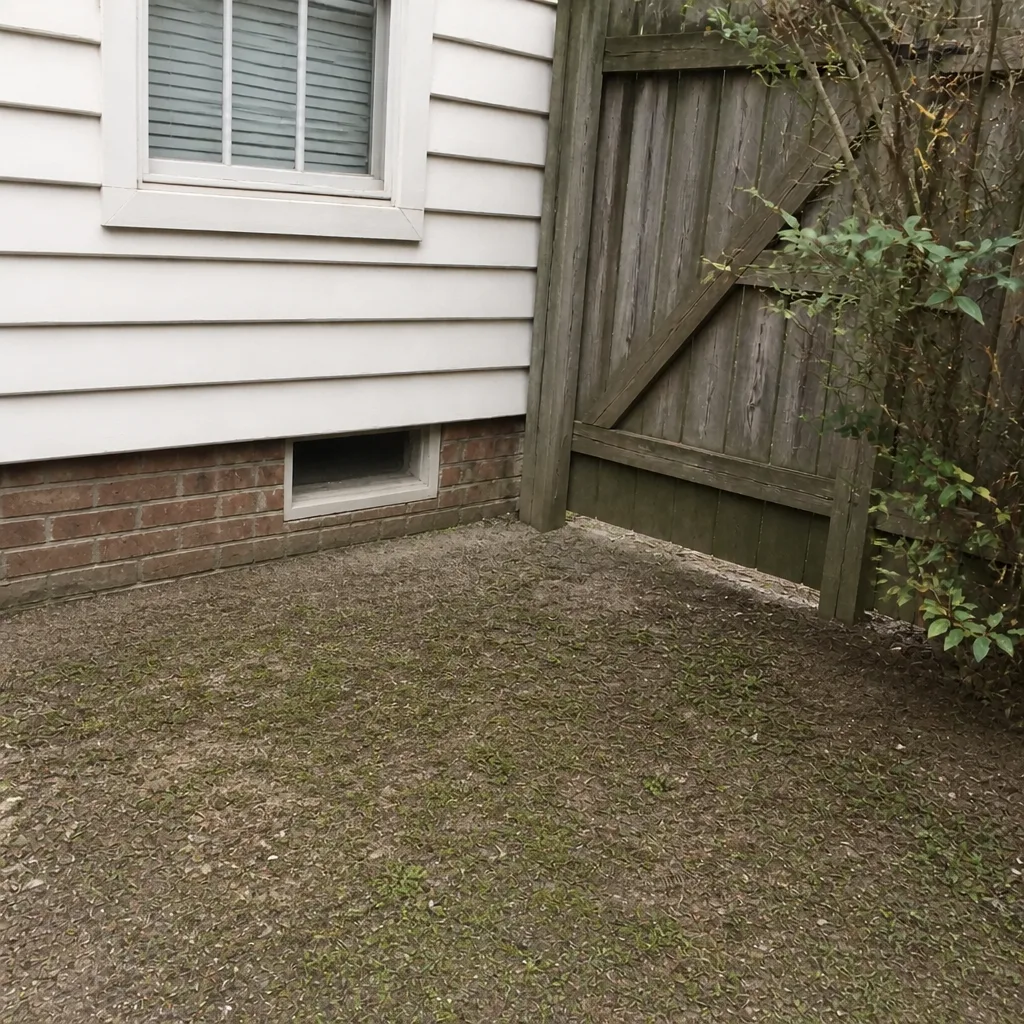
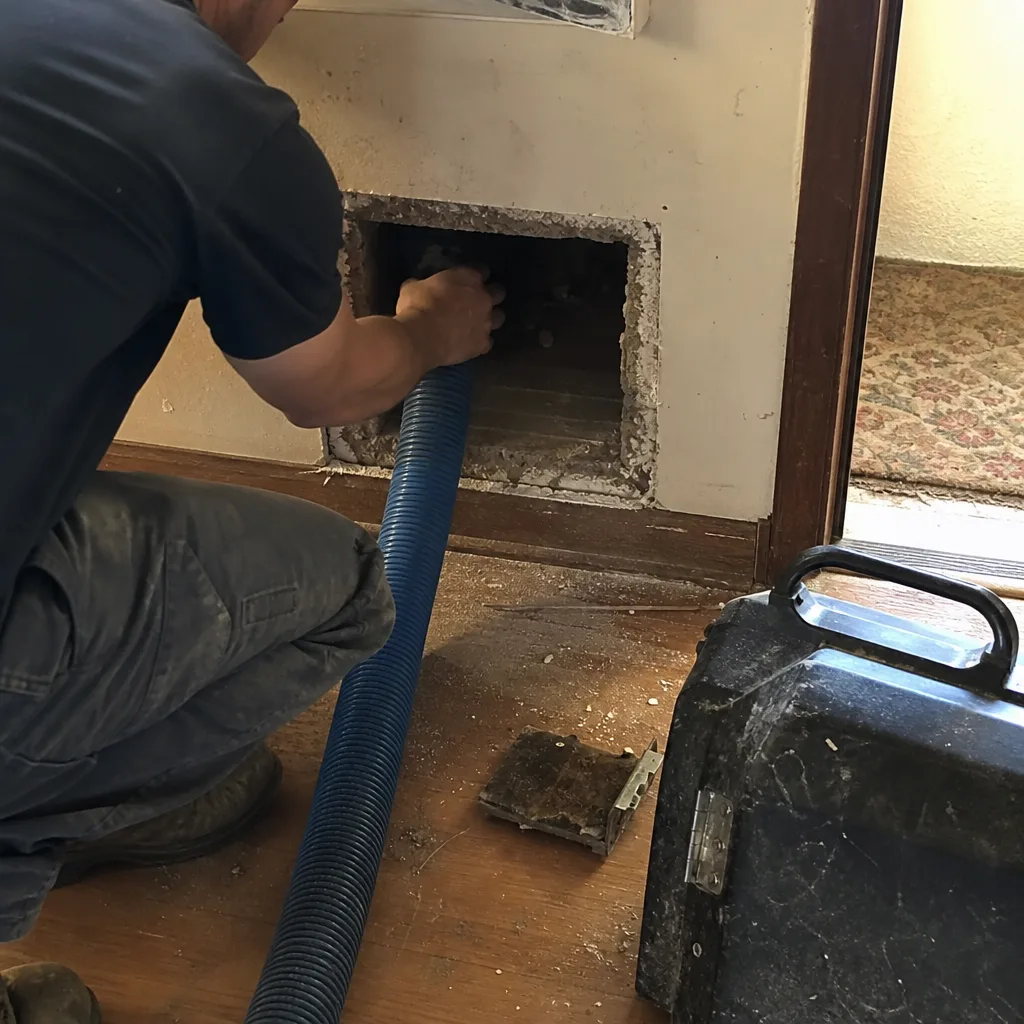
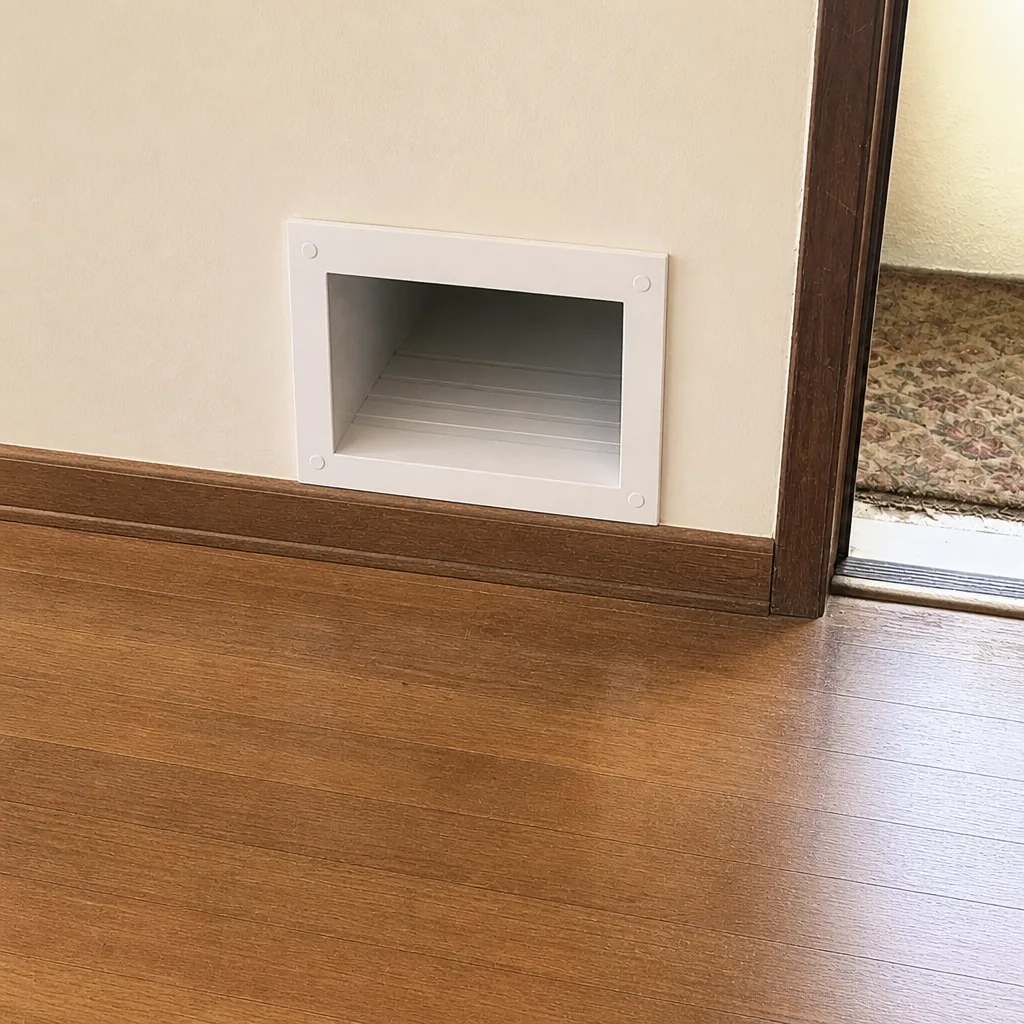
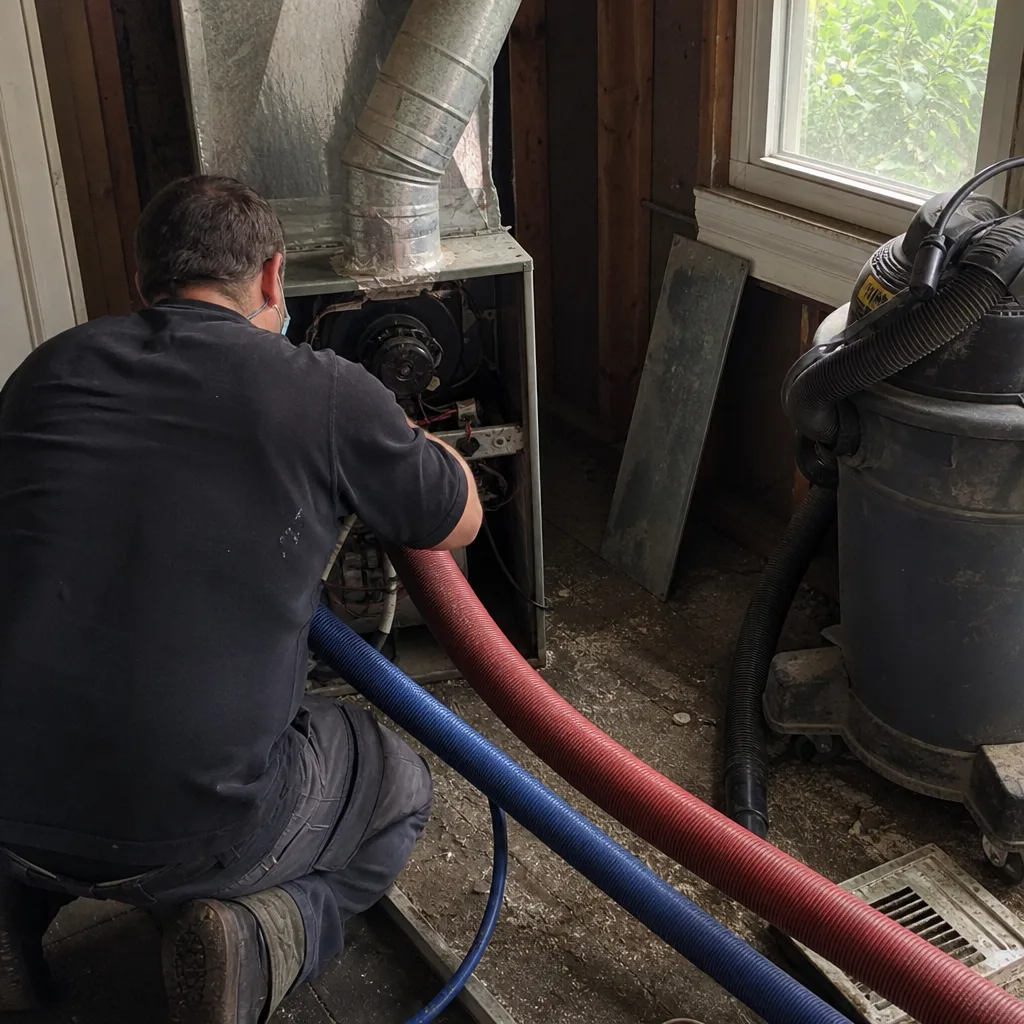
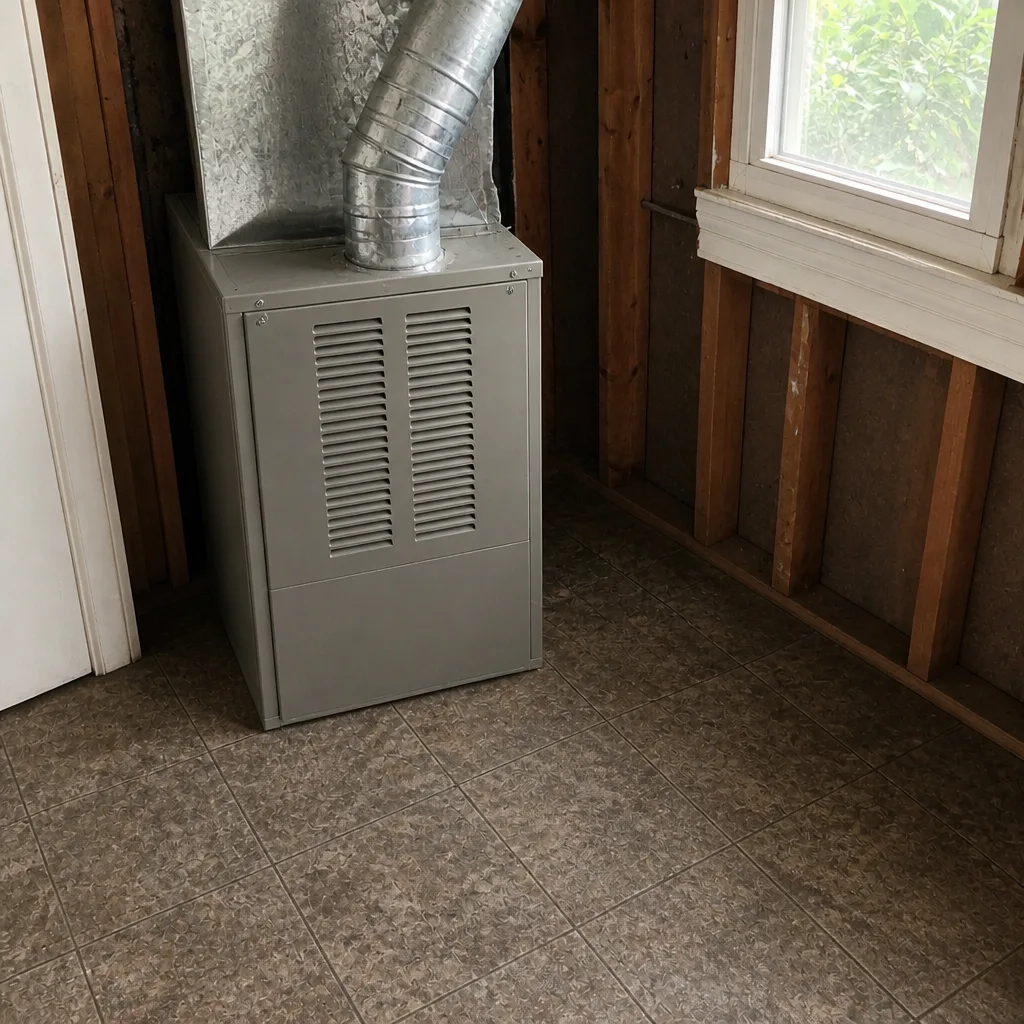
Whole-system duct and dryer vent check with before-and-after photos - you see exactly what came out of your vents
That "$99 whole-house special" is a bait ad - the real number appears once they are in your hallway, or the "clean" is a shop-vac at the register. We photograph the inside of your ducts before and after instead.
Air Duct Cleaning Maintenance Checklist for Sedgefield Homeowners
Most homeowners have heard the “every three to five years” rule for duct cleaning. What almost nobody tells you is where that number came from. It wasn’t the result of a clinical study or a controlled field test. It came from trade association guidance written for a broad national audience, and it assumes an average home with average occupancy and average HVAC runtime. Your house in Sedgefield probably isn’t average in any of those respects. A household with two dogs, a recent kitchen remodel, and a heat pump running eight months a year will load its ducts far faster than a two-person home with no pets and an HVAC system that rests most of the year. This checklist is built the other way around: around what you can actually see, measure, and log, rather than the calendar. You’ll learn how to read your filter, inspect your grilles, track post-renovation debris, monitor a few accessible system components, and use a low-cost particle counter as real maintenance data. By the end you’ll have a repeatable routine that tells you when your ductwork genuinely needs attention, instead of guessing.
Styles & brands we work with
- Whole-home duct cleaning
- Dryer vent cleaning
- Camera inspection
- Sanitizing & deodorizing
Quick Answer
A duct cleaning maintenance checklist for a Sedgefield home should be driven by observable indicators, not the calendar: inspect your filter for loading and bypass every one to three months, check grilles and registers for buildup and streaking quarterly, inspect accessible HVAC components seasonally, and log particle counter readings over time to spot trends. When those data points start trending the wrong way together, that’s your signal to schedule professional cleaning rather than waiting for an arbitrary number of years to pass.
Table of Contents
- Step 1: The Filter-Inspection Protocol
- Step 2: Grille and Register Inspection
- Step 3: Post-Renovation Checklist for Drywall Dust and Fibers
- Step 4: What You Can Safely Access and Log Between Visits
- Step 5: Tracking Indoor Air Quality With a Particle Counter
- Step 6: Building a Realistic Sedgefield Maintenance Rhythm
- Step 7: What a Professional Cleaning Actually Involves
- Common Mistakes to Avoid
- When to Call a Professional
- Frequently Asked Questions
Step 1: The Filter-Inspection Protocol
Your filter is the single best early warning device your system has, and most homeowners read it wrong. They judge a filter by color alone (“it still looks gray, not black”) when the real signals are loading pattern, bypass, and pressure drop. Here’s a protocol you can run in five minutes, once a month.
First, pull the filter and hold it up to a light. An evenly loaded filter is doing its job. A filter that’s loaded only in a corner or one stripe is a sign of air taking a shortcut around the media, which usually means the filter frame doesn’t seat snugly. That bypass lets unfiltered air straight into the return, and that’s a duct contamination issue, not a filter issue.
Second, look for the tell-tale sign of a filter that’s waited too long: a filter that has visibly bowed or been pulled into the return housing means the system was starving for air. When a blower has to work against a clogged filter, it can pull air from gaps in the duct seams instead, which draws dust in from unconditioned spaces like an attic or crawlspace.
Third, understand MERV context. A MERV 8 filter is a reasonable baseline for a typical Sedgefield home. A MERV 11 or 13 catches far more fine particulate but adds resistance, and only makes sense if your blower and ductwork can handle it without starving. This is where a professional recommendation beats a guess. Many homeowners upgrade to a thicker media cabinet – brands like Aprilaire make these – specifically so they can run a higher MERV rating with less pressure penalty and longer change intervals. If you notice your system seems to run longer after a filter change and the new filter is a higher MERV than before, you’ve just measured a pressure drop problem in the making.
Quick filter log
- Note the date and the filter’s MERV rating.
- Describe the loading pattern: even, one-sided, or cornered.
- Note any bowing or pull-in at the frame.
- Record days between changes and whether that interval is shrinking.
If your filter is loading faster each season, your home is telling you something. We read that trend carefully when we assess a Sedgefield system.
Step 2: Grille and Register Inspection
Grilles and registers are the windows into your ductwork. What you see at the supply and return grilles is a fair preview of what’s further inside, and you don’t need any tools to check them. Walk your Sedgefield home once a quarter with a flashlight and a notepad.
What normal looks like: light, even gray dust on the grille face and fins, easily wiped off with a dry cloth. A faint, thin film on the blades. No streaks on the surrounding wall or ceiling.
What signals a problem: dark, matte black or brown deposits on the fins that don’t wipe away easily. A fuzzy or fibrous texture rather than a smooth film. Visible streaking radiating from the register onto the wall or ceiling, which means air is escaping and carrying dust with it. Soft debris clinging to the fins near a return, especially near floor level where a pet sleeps or where a door mat sits.
Pay special attention to the return grille, usually the large one near the thermostat or in a central hallway. Returns carry the whole house’s load. If the return grille looks heavily fouled but supplies look clean, contamination is likely concentrated in the return path, which is where professional agitation-and-extraction equipment does the most good. Note which registers are affected and when the pattern appeared. A single fouled register near a bathroom door may simply be a poorly placed supply. Several fouled registers across a single zone suggest a duct problem worth a closer look. A register that starts smelling musty after rain or on humid summer days is telling you about moisture in the duct, not just dust – and moisture is a bigger deal.
Record the pattern in your log: which rooms, which type of deposit, and the date. That record is far more useful to a professional than “the vents look dusty.”
Step 3: Post-Renovation Checklist for Drywall Dust and Fibers
Remodeling is the biggest single cause of accelerated duct contamination in Sedgefield homes, and it rarely gets the attention it deserves. Drywall sanding throws an enormous volume of fine gypsum dust into the air, and air-handling systems are excellent at pulling it in. Insulation work releases glass and mineral fibers. Adhesives, paint, and caulk off-gas volatile compounds that can settle onto duct surfaces. New ductwork that was cut or installed during the remodel may also have leftover debris at the seams.
When a remodel finishes in your Sedgefield home, work through this list before you consider the job closed:
- Change the filter immediately after demolition and again after final sanding. Drywall dust loads a filter fast. Don’t wait for the normal change interval.
- Check every return and supply grille for white or gray powder. Gypsum dust has a distinctive chalky, matte look and will coat fins quickly.
- Run the system briefly and note odors. A sharp chemical smell afterward is off-gassing from adhesives and finishes. Repeated, musty smell suggests moisture, not just dust.
- Inspect the accessible filter housing and return plenum for settled powder. Look with a flashlight; if it looks like a light snowdrift, the ductwork downstream likely needs professional attention.
- Check any newly installed duct runs at their seams. Renovations sometimes introduce new duct connections that aren’t sealed properly, which pulls dust in rather than only letting it out.
- Log renovation dates and materials. Drywall-heavy projects, insulation upgrades, and new flooring all have different dust profiles, and documenting them helps a professional prioritize cleaning.
Post-renovation cleaning isn’t the same as routine cleaning. There’s more fine particulate to contain, and loose dust at seams can re-enter once normal airflow resumes. That’s a job for a crew with containment equipment. We reach for Abatement Technologies air scrubbers and negative-pressure setups on renovation follow-ups because the goal is to capture what’s loose, not push it around the house.
Step 4: What You Can Safely Access and Log Between Visits
A lot of the system you should leave alone, but a handful of components you can check safely and log. The discipline here is knowing where the line is. Electrical panels, wiring, gas connections, and the refrigerant circuit are not homeowner territory. If a check requires opening a panel or touching a component tied to power or refrigerant, stop and call a professional.
What you can safely access and log:
- The condensate drain pan. With the system off, look for standing water, rust, slime, or a crusted mineral ring. Standing water is a problem; a shallow layer of algae or a slow drain means the line may be partly clogged.
- Visible coil fins (through a grille or access door that opens without tools). Look for dust matting the fins or any bent fins. Clogged fins reduce airflow and efficiency. Note how much dust is visible.
- The blower compartment door. If your unit allows the blower access panel to be opened without disconnecting anything, look for dust on the blower wheel and around the opening. Note whether dust looks heavy or light.
- Visible duct seams and connections. Look for tape peeling, disconnected flex duct, or torn insulation. A loose joint here drags outside air in.
- The filter housing and return plenum. As covered above, check for settled powder and debris.
Log your observations with dates and a photo where useful. A slow accumulation in the drain pan, or fins that go from barely dusty to visibly matted in a few months, tells a story. A maintenance log turns “I think it’s getting worse” into something a technician can actually work from. We’ve had customers hand us a few months of simple notes and photos, and it makes a real difference in pinpointing what needs attention.
Step 5: Tracking Indoor Air Quality With a Particle Counter
This is the piece almost no checklist mentions, and it’s the most objective data point a homeowner can gather. Low-cost particle counters – the handheld or plug-in kind sold for indoor air monitoring – measure airborne particulate by size, typically PM2.5 and PM10. You don’t need lab-grade equipment. You need a device that reads consistently and a log of numbers over time.
Here’s how to use one as a maintenance signal:
- Baseline before you suspect a problem. Take readings in a central room with the HVAC fan on low, doors closed, after 20 minutes of no activity, at a consistent time of day.
- Take the same reading after a filter change. If it doesn’t improve, or improves less than expected, the filter isn’t capturing the load, or the system is pulling unfiltered air from a leak.
- Compare indoor to outdoor on the same day. If indoor readings are consistently higher than outdoor readings with windows closed, particulate is being generated indoors or is resident in the ducts and disturbed by airflow.
- Take readings after renovation work and during allergy season. A mismatch between how you feel and how the room reads is worth investigating.
- Watch for spikes right after a system cycles on. A burst of particulate every time the blower starts is a strong signal that duct surfaces are releasing dust on airflow rather than holding it.
Trend data from a $100 counter beats a gut feeling. Bring the log to any professional visit. A professional will read it against their own inspection and recommended cleaning scope. We’ve used that kind of data with customers alongside upgraded filtration from Honeywell and Aprilaire, because the numbers give you a starting point and a way to confirm an improvement afterward.
Step 6: Building a Realistic Sedgefield Maintenance Rhythm
A calendar-driven schedule ignores the variables that actually drive contamination: occupancy, pets, HVAC runtime, renovation history, and whether your home’s return air comes from a crawlspace or attic. Sedgefield’s climate matters here too. Summers run long and humid, the system often operates for many months, and that runtime is what moves air – and particulate – through the ductwork. A home running its system eight-plus months a year loads its ducts faster than an identical house in a milder climate.
Build your rhythm around events and observations instead of just months:
- Monthly: Pull and inspect the filter. Update the filter log.
- Quarterly: Walk the house with a flashlight and check every register and grille. Take your particle-counter baseline reading.
- After any renovation or significant work: Change the filter, check grilles for chalky dust, and note any new odors.
- Seasonally: Check the condensate pan, visible coil fins, and accessible duct seams. Look before the cooling season begins and before heating season.
- Annually: Review your logs. Is the filter loading faster? Have particle readings drifted up? Are grilles fouling more quickly? If the trend is upward, that’s your cue.
We’ve seen this work well for Sedgefield homeowners because it turns a vague “I should probably clean the ducts at some point” into a concrete “the data says now.” If you’re already ready to step up from a checklist to a full-system cleaning, our air duct cleaning Sedgefield overview is a good starting point, and the fuller air duct cleaning page covers the service in detail.
Step 7: What a Professional Cleaning Actually Involves
Knowing what a good cleaning looks like helps you judge whether your checklist data justifies one, and helps you evaluate quotes. Thorough work follows a sequence, not a single pass.
- Inspection and setup. The technician inspects the system, identifies accessible components, and sets up containment so dust doesn’t recirculate. This is where high-quality equipment separates a specialist from a quick vacuum job.
- Agitation and extraction. Rotary-brush agitation knocks loose material from duct surfaces, and HEPA-rated vacuum extraction pulls it out. Both steps matter. Agitation without extraction just redistributes dust; extraction without agitation leaves the bonded film. We use Rotobrush agitation paired with Nikro HEPA extraction for exactly that reason. It’s the same class of equipment specified for commercial and restoration projects.
- HVAC and blower cleaning. The blower wheel, visible coil surfaces, and drain pan get cleaned as part of a full-system scope, because contaminants on those surfaces feed the ducts. Our HVAC cleaning page covers that scope separately.
- Repair and sealing. Duct cleaning without addressing leaks means contamination returns. Sealing loose joints and sealing any obvious breaches keeps the cleaned system clean and stops energy loss.
- Sanitizing. A post-cleaning antimicrobial treatment applied to duct surfaces inhibits mold, bacteria, and odor. Products like Guardsman are applied after cleaning, when the surface is actually clean enough to treat.
If your home also has a laundry, don’t overlook the dryer vent. Lint buildup is its own fire hazard and deserves the same attention as duct cleaning. Our dryer vent cleaning page covers it. And if your system is older or you’ve noticed heavy dust, a full-system approach that covers cleaning, repair, sealing, and sanitizing under one appointment is the reliable option.
Common Mistakes to Avoid
- Treating the “three-to-five-year” rule as gospel. That number came from trade association guidance, not controlled study, and it ignores your household’s actual loading rate. Your filter log and particle data are better guides for a Sedgefield home than a national average.
- Judging a filter by eye alone. Color tells you less than loading pattern and frame fit. A filter that looks fine but has bypassed air in a corner has already let contamination past it.
- Upgrading to a higher MERV filter without checking airflow. A MERV 13 in a duct system sized for a MERV 8 can starve the blower and pull air in from leaks. Match the filter to the system, not to the label.
- Skipping the post-renovation cleanup. Drywall dust and insulation fibers get pulled straight into the return during a remodel, and once settled on duct surfaces, they get disturbed on every airflow cycle. Change filters during the project, not just after.
- Assuming all “duct cleaning” is the same. A single vacuum pass without agitation leaves the bonded film; agitation without proper containment recirculates dust. Ask what equipment and containment approach is used.
- Ignoring seams and connections. A duct network cleaned but left leaky will pull outside air back in. Repair and sealing after cleaning is not optional if you want the results to hold.
- Not documenting anything. Without a filter log, a register inspection, or particle readings, a professional has to start from scratch and you’re back to guessing. A little record-keeping between visits pays off.
When to Call a Professional
Your checklist is telling you to call a professional when several indicators line up: your filter is loading noticeably faster each season, multiple registers are showing dark or fibrous deposits rather than light dust, particle readings spike every time the blower starts, you’ve just finished a renovation, or you’re seeing musty odors and moisture in the drain pan. Those signals together point to contamination beyond what any homeowner can address with a filter change. That’s when a professional assessment is worth it. Air Duct Cleaning Sedgefield offers free estimates in Sedgefield. Call (833) 468-5694. We answer 24/7, with fast dispatch from 7am to 7pm, Sunday through Friday, and the price is set per job by a written estimate agreed before any work begins.
Frequently Asked Questions
There’s no single correct interval; it depends on your home’s actual contamination rate. A pet-free, no-renovation home with a well-sealed system may go much longer than a home with dogs, recent drywall work, or a leaking duct network. Tracking your filter loading, register deposits, and particle readings tells you when to schedule cleaning far better than a fixed multi-year rule. Call (833) 468-5694 for an exact assessment and quote – estimates are free.
Pricing is quoted per system based on the size, layout, and condition of the ductwork and the scope of work, and it’s set by a written estimate before any cleaning starts. That protects you from a low teaser price that grows once the technician is on site. Call (833) 468-5694 for an exact quote – estimates are free.
Most homes do well with a MERV 8 to MERV 11 filter, and a higher rating should only be used if the system can handle the added resistance. Going too high can starve the blower and cause the system to pull unfiltered air in from leaks. A professional can recommend the right rating for your blower and ductwork, sometimes with an upgraded media cabinet for longer intervals. Call (833) 468-5694 – we’ll talk through your system and set up a free estimate.
Look for documentation, before-and-after condition, and an explanation of the sequence. A professional should be able to walk you through what was cleaned, what was sealed, and why the system needed it. Ask what equipment was used and what containment approach kept dust out of the rest of the home. Call (833) 468-5694 for a free estimate and to ask how the work is documented.
You can do the filter changes and register checks a homeowner does safely, which is the core of a good maintenance routine. Deep cleaning of the duct interior, blower, and coil surfaces needs agitation and HEPA extraction equipment and containment, and the electrical and refrigerant portions of the system should only be handled by a trained professional. Call (833) 468-5694 if your checklist data says it’s time for a full-system assessment.
Cheap quotes usually skip agitation, containment, or extraction, or price per vent while leaving the real work undone, and the low number is often just an entry point to a bigger invoice once a technician arrives. Ask what equipment, containment, and sealing is included before you accept any quote. Call (833) 468-5694 for a free, itemized estimate that states the full scope up front.
The Bottom Line
A durable duct cleaning maintenance checklist is data-driven, not calendar-driven. Inspect your filter monthly for loading and bypass, walk your registers quarterly for dark or fibrous deposits, and clean up thoroughly after any renovation. Log what you can safely access – drain pan, visible coil fins, duct seams – and take particle counter readings so you have numbers, not just hunches. Sedgefield’s long humid cooling season means your system works hard, and that raises the value of tracking your own home’s trends. When the log starts trending the wrong way, that’s your signal to schedule professional cleaning with proper agitation, extraction, containment, and sealing. Want a professional read on your system? Air Duct Cleaning Sedgefield offers free estimates – call (833) 468-5694. We answer 24/7, fast dispatch from 7am to 7pm, Sunday through Friday.
Written by the team at Air Duct Cleaning Sedgefield.
See the difference
 Before
 After
 Before
 After
 Before
 After