
Last updated November 23, 2026
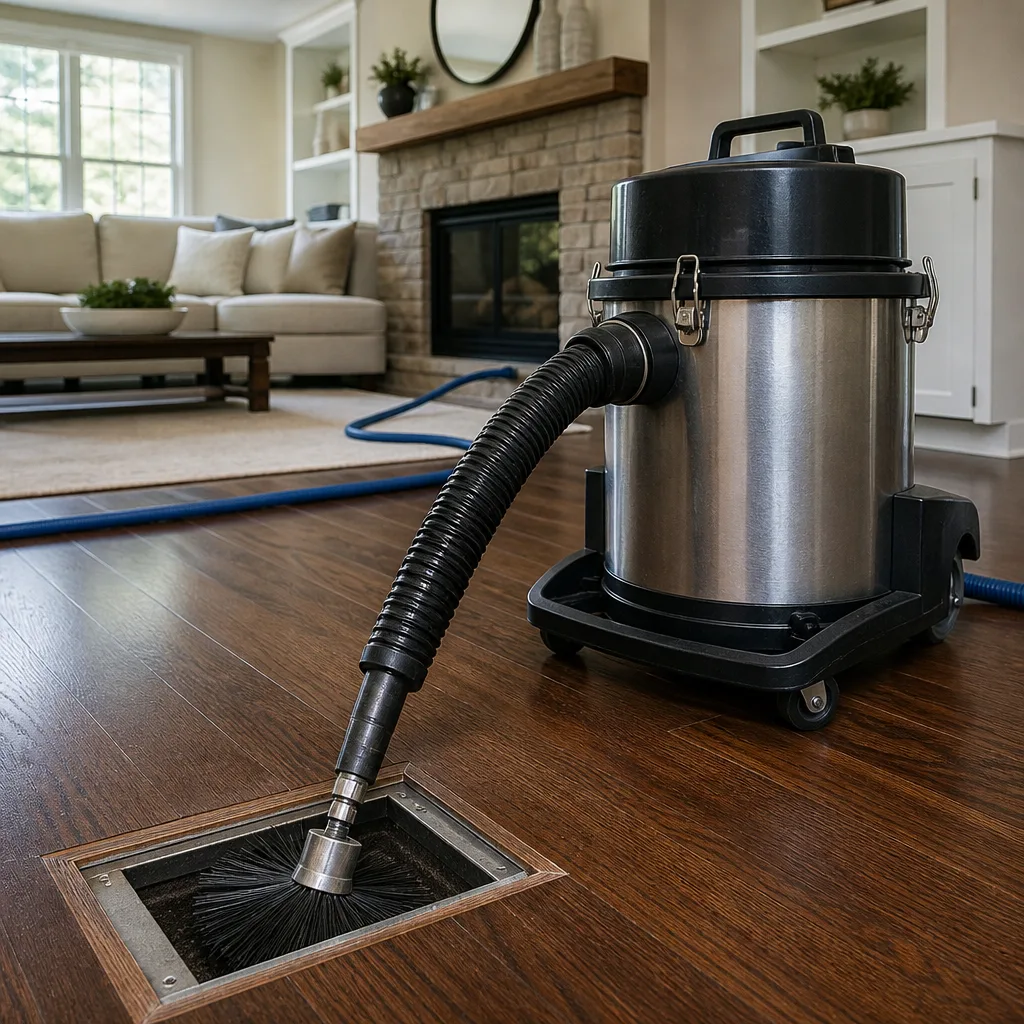 Whole-home duct cleaning
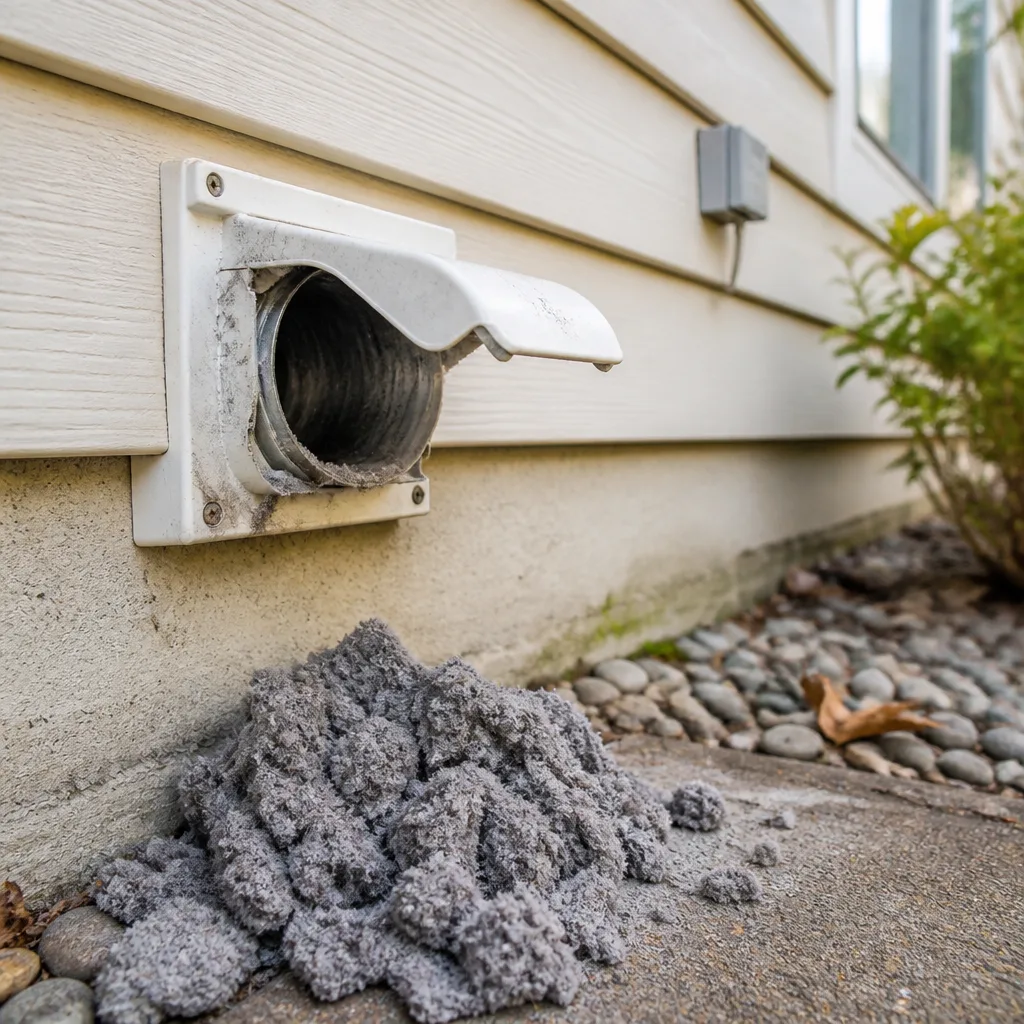 Dryer vent cleaning
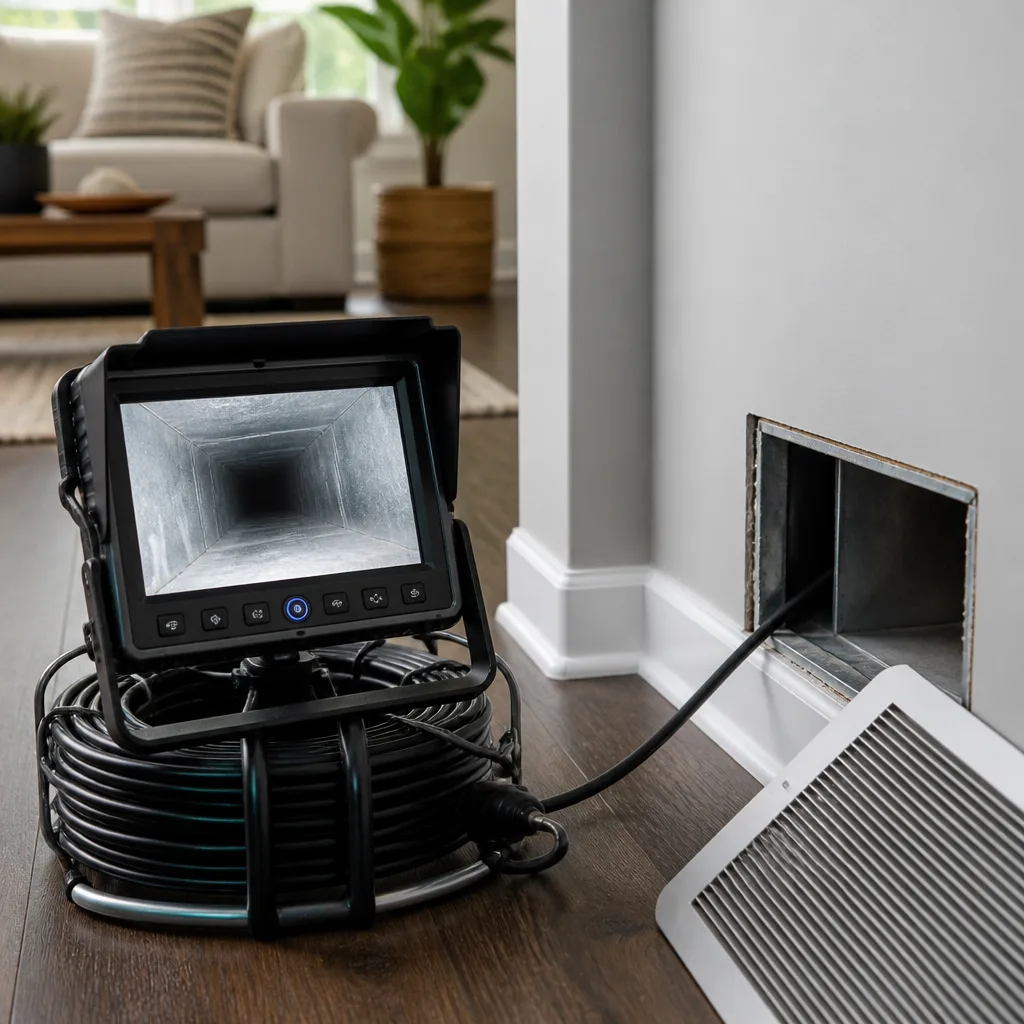 Camera inspection
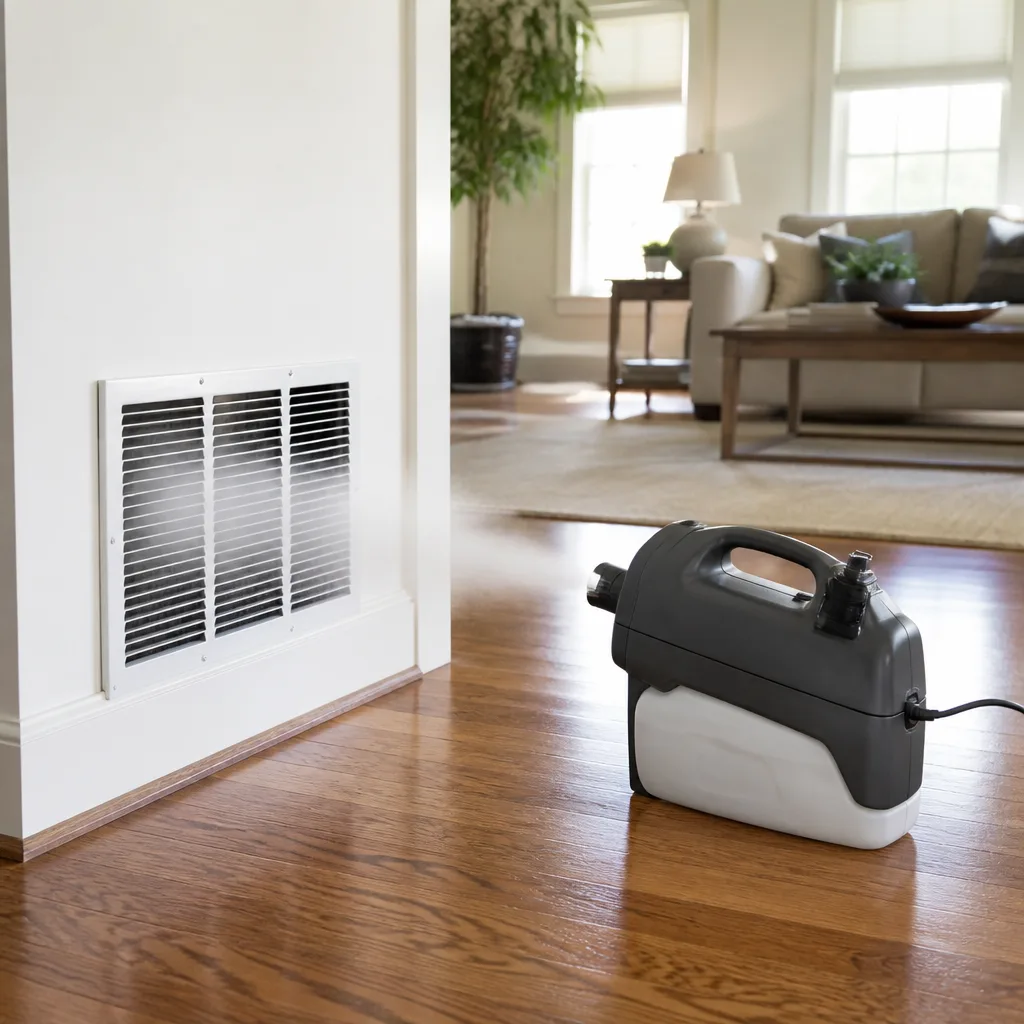 Sanitizing & deodorizing
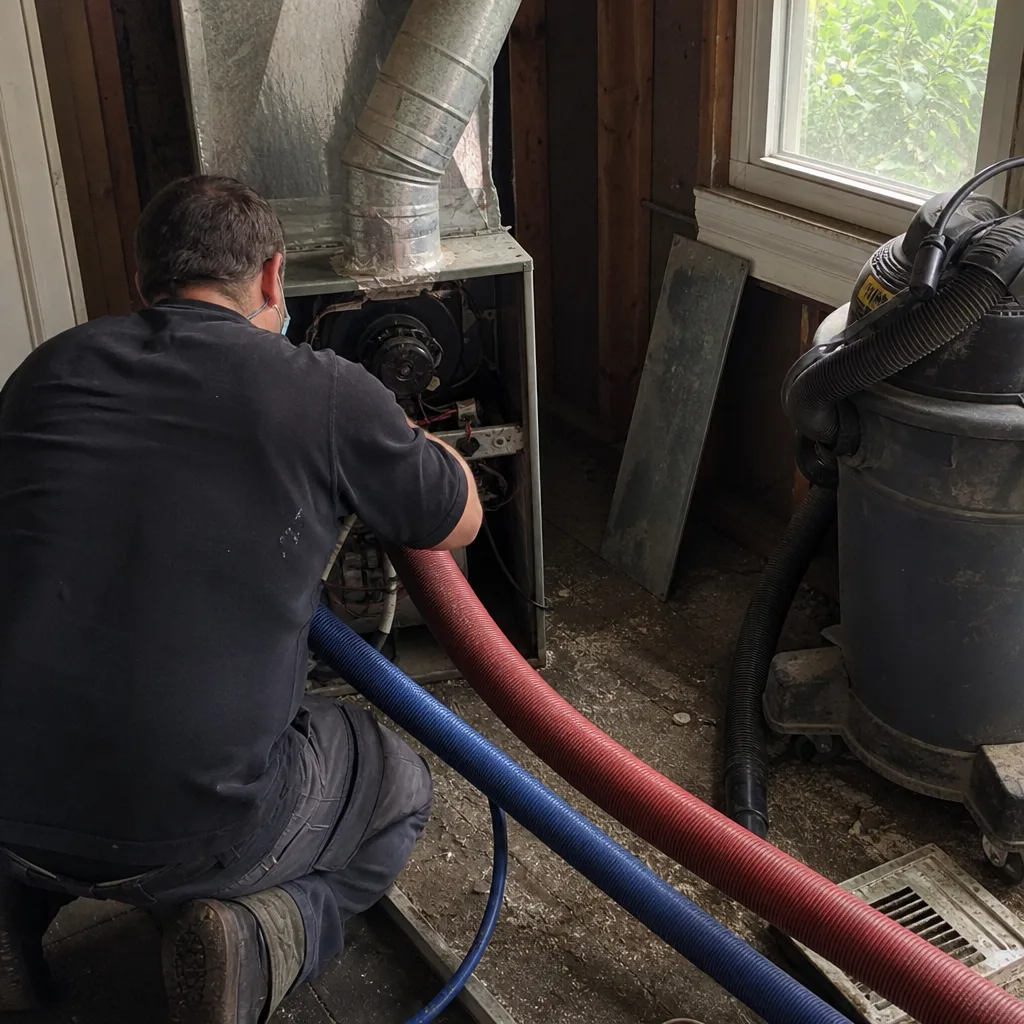
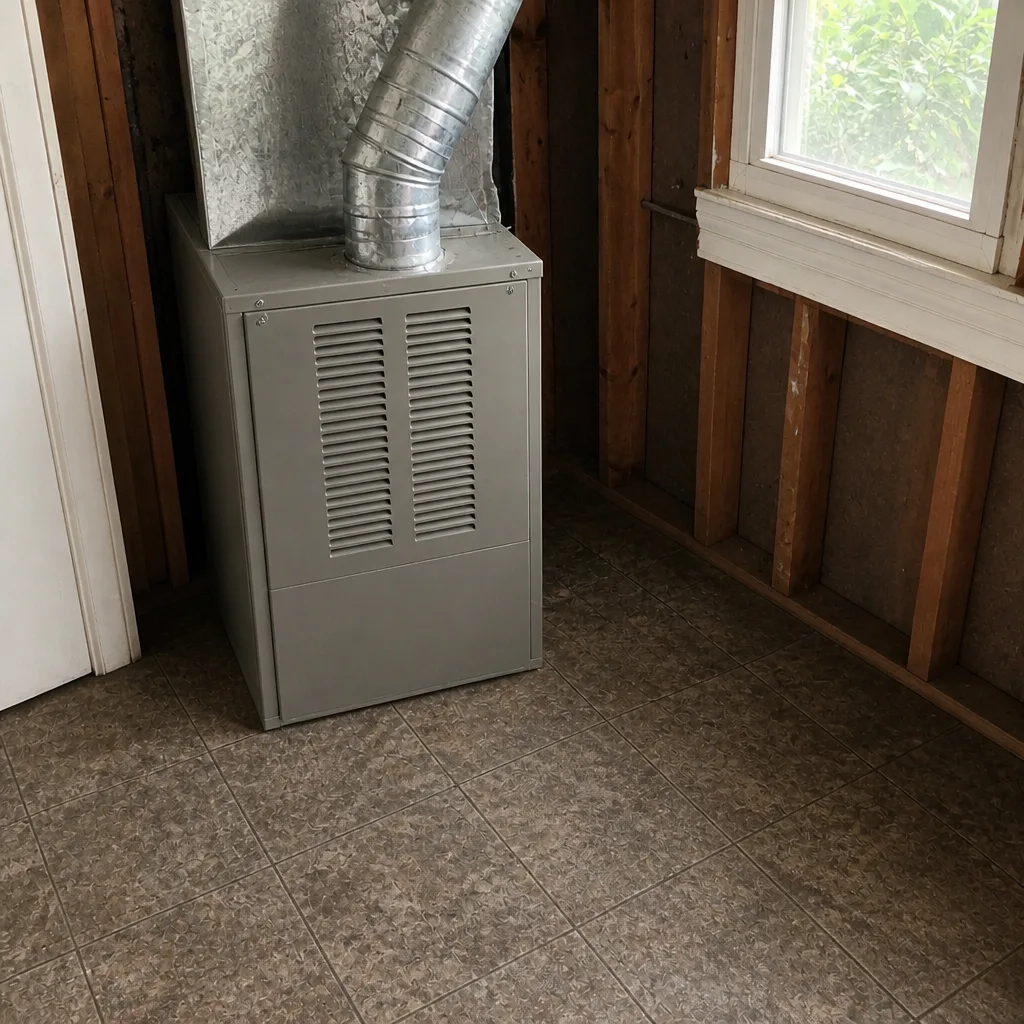
Whole-system duct and dryer vent check with before-and-after photos - you see exactly what came out of your vents
That "$99 whole-house special" is a bait ad - the real number appears once they are in your hallway, or the "clean" is a shop-vac at the register. We photograph the inside of your ducts before and after instead.
Air Duct Cleaning Warning Signs: A Sedgefield Homeowner’s Reference Guide
Most homeowners expect the first sign of a duct problem to be something dramatic – a plume of dust, a visible streak of grime, a smell that stops you in the hallway. In practice, the earliest warnings are quieter than that. Visible dust on a supply register is usually a late-stage signal: by the time contamination reaches the grille face, the duct lining, the boot, and the air handler components behind it have been loading up for months. The harder question is what the subtle signs actually mean, and whether you’re looking at dirty ducts or a struggling HVAC system, because those need different fixes. This guide walks through the warning signs we look for in Sedgefield homes, organized in tiers so you can judge where your own system sits.
Quick Answer
The main warning signs of duct contamination in a Sedgefield home are filters that load faster than they used to, rooms that never quite match the thermostat, dust settling on surfaces within days of cleaning, a musty or stale smell that appears only when the air handler runs, and allergy symptoms that track with time spent indoors. Visible debris at registers and mold near a supply are advanced signs, not early ones. The key is to check several indicators together, because a single one can point to the ducts, the HVAC equipment, or the building envelope, and only a proper system inspection tells you which.
Styles & brands we work with
- Whole-home duct cleaning
- Dryer vent cleaning
- Camera inspection
- Sanitizing & deodorizing
Table of Contents
- The Tiered Warning Sign Framework
- Early Indicators: What a Healthy System Should Not Do
- Advanced Indicators: When Contamination Reaches the Surface
- Musty Odors: Dirty Ducts Versus a Wet Coil or Drain Pan
- Post-Event Warnings Specific to Sedgefield Homes
- What Mold Near a Register Really Tells You
- Rising Energy Bills as a Duct Signal
- Common Mistakes to Avoid
- When to Call a Professional
- Frequently Asked Questions
The Tiered Warning Sign Framework
Duct contamination doesn’t announce itself in one step. It builds in stages, and each stage gives you a different set of clues. Sorting what you’re seeing into early, mid, and advanced tiers keeps you from overreacting to a normal amount of household dust or underreacting to a system that’s already well past due.
Think of it as three bands:
- Early indicators are behavioral and measurable. Your filters clog faster than they used to. One or two rooms run warmer or cooler than the rest of the house. The system seems to work harder for the same comfort. Nothing looks dirty yet, but performance has shifted.
- Mid-stage indicators are about what the air carries. Dust returns to furniture and shelves within a few days of cleaning. The return grille looks dull or gray. Allergy or asthma symptoms worsen on days spent indoors. A faint smell greets you at the supply registers.
- Advanced indicators are visible. Dark streaks or debris at the register face. A musty odor that arrives with airflow. Visible mold or staining near a supply boot. In some cases, reduced airflow that you can feel at the vent.
The reason this matters is that the fix isn’t the same at every tier. Early signs sometimes point to a failing blower, a refrigerant issue, or an undersized return, none of which duct cleaning solves. Advanced signs almost always mean the air pathway itself needs work, including cleaning, sealing, and often a full HVAC cleaning so the coil and cabinet get attention at the same time. Sedgefield homes built in several waves over the past few decades often have duct systems that were sized and sealed to the standards of their era, which affects how quickly contamination becomes a comfort problem.
Early Indicators: What a Healthy System Should Not Do
An early warning isn’t dramatic, it’s a shift from your system’s normal baseline. The two most useful early indicators are filter loading speed and uneven room temperatures, because both are easy to track without any tools.
Filter loading speed. A filter that used to last a full season and now looks gray in a few weeks is telling you something. Either more particulate is entering the return (often a duct or return-path issue), or the system is short-cycling (an HVAC issue), or the filter is being bypassed around its frame (a fitting issue). The way to check is to note the date you install a new filter, then look at it every two weeks and write down what you see. Three filter changes in a row that load faster than your old normal is a real trend, not a fluke.
Uneven room temperatures. Our climate here is genuinely mixed – hot, humid summers, cool winters, and shoulder seasons where you might run heat in the morning and air in the afternoon. A room that’s consistently a few degrees off from the thermostat isn’t automatically a duct problem, but when it’s paired with other signs it usually points to an airflow imbalance in the duct design or to leakage in the branches serving that room.
- Note the thermostat set point and the actual temperature in each room over three or four days.
- Look for a room that’s always the same amount off, not one that drifts randomly.
- Check whether the odd room also has the dustiest supply register in the house.
- Write down whether the problem changes with the season.
If a room is consistently off and it also happens to be the dustiest branch, that’s a pattern worth a system inspection. We’ve seen this in Sedgefield more in homes where a room was added or repurposed long after the original duct layout was designed, leaving a run that never got rebalanced. A duct cleaning alone won’t fix that – the balanced airflow has to be addressed too.
Advanced Indicators: When Contamination Reaches the Surface
When dust, debris, or staining is visible at the register face, the contamination has been building for a while. The register isn’t where the problem lives – it’s where it shows. That’s the reversal most homeowners don’t expect.
Advanced signs to check for at every supply and return:
- Dark streaks or a film at the grille, especially on the return grille, which takes the heaviest load.
- Visible debris in the boot (the short angled piece between the duct and the register) – this is often where the first real accumulation shows itself.
- A stale or musty odor that only appears when the air handler runs, not when the fan is off.
- Reduced airflow you can feel by hand at the vent compared to other rooms.
- Allergy or asthma symptoms that track with time spent indoors in Sedgefield and diminish when you’re away from home.
- Rapid dust return – visible buildup on horizontal surfaces within days of dusting.
The right response to advanced signs is a full-system approach, not a vacuum at the vent. That means agitation of the duct walls, HEPA-rated extraction to capture what comes loose, sealing the path so the contamination doesn’t come back through the same gaps, and treating the surfaces after cleaning so the biological load is addressed. In our work we use Rotobrush rotary-brush agitation paired with Nikro HEPA extraction for that stage, and we bring Abatement Technologies air scrubbers for negative-pressure containment so dust doesn’t escape into living space during the job. That’s a commercial-grade process, and it’s what separates a real duct cleaning from a shop-vac pass.
Musty Odors: Dirty Ducts Versus a Wet Coil or Drain Pan
Musty air is one of the most useful warning signs, precisely because it can mean three different things – and the fix is different for each. If you treat the wrong one, the smell comes back.
Odor from dirty ducts
Duct odors tend to be earthy, dusty, or faintly sour, and they show up the moment the blower starts, then fade when it stops. They get stronger at the start of a cooling season, when the system first runs after a dormant stretch. The smell comes from settled dust and biological growth on the duct lining, especially in humid months when any moisture in the system has had time to work.
Odor from a wet drain pan or contaminated coil
A wet pan or a coated evaporator coil produces a smell that’s sharper and more persistent – some homeowners describe it as wet-sock or locker-room. It tends to be strongest just after the system shuts off, when the coil is still cold and the condensate is still draining. What tells you it’s the equipment and not the ducts is that the smell concentrates near the air handler closet or return plenum, not evenly at every supply register. If you open the return grille closest to the unit and the smell is much stronger there, that’s a strong hint the source is inside the cabinet, not the ducts.
Odor from a dry P-trap or a blocked drain line
Sometimes the “musty smell” from the air handler area is a dry condensate trap letting sewer gas or stale air migrate in, or a drain line that’s clogged and holding standing water. This is the one homeowners most often misdiagnose, because the source is plumbing-adjacent rather than airborne.
The practical test is where the smell is strongest. Supply registers only: likely ducts. Air handler closet or return plenum: likely coil, pan, or drain. A system inspection that covers both the ducts and the air handler is the only reliable way to sort this, and it’s why a HVAC cleaning that includes the coil and cabinet belongs in the same appointment as any duct work. If we find a coil that needs treatment or a drain pan that needs remediation, we handle that under our Air Quality & Sanitizing scope rather than telling you to call someone else – one crew, one appointment, one system.
Post-Event Warnings Specific to Sedgefield Homes
Some duct problems start on a specific day. Four events in particular are worth checking against your own timeline, because each introduces contamination the system wasn’t built to handle.
After a renovation
Drywall dust is the classic example of contamination that the ducts weren’t designed to see. It’s extremely fine, it settles everywhere, and it can coat the duct lining and the coil. Even with plastic sheeting up during the job, plenty gets through. The warning sign is the filter loading unusually fast within weeks of the work finishing, or a visible haze at the return grille. Renovation dust is exactly the case where containment matters – a scrubber running negative pressure keeps the cleaned-out material from spreading, which is the standard in remediation work.
After water intrusion
Any event that introduces moisture near the air handler or a duct run creates the conditions for biological growth. This isn’t always a flood; a slow condensate leak, a roof drip, or a window that let in rain during a storm can be enough. The warning sign is a new smell that appears within weeks of the moisture event, especially in the humid stretch of summer. Moisture and duct contamination are a pair; treat the moisture source first, then clean and treat the system.
After pest activity
Rodents, insects, and birds can find gaps in ductwork, especially in older Sedgefield homes where flexible duct or branch connections have loosened over time. The sign is often faint rodent odor, droppings in the air handler closet, or an unexplained increase in filter loading. In this case, cleaning has to come with sealing as a core step – cleaning without closing the entry point is a repeat problem, not a fix. Duct Repair & Sealing is a service in its own right, and it addresses the root cause of both energy loss and contamination re-entry.
After extended vacancy
An empty home doesn’t get cleaned and it doesn’t get aired, but it does sit. Dust settles across months, humidity finds its way in, and any moisture in the system has far more time to grow than it would in a lived-in house. The warning sign on return is often a smell, or a filter that’s completely loaded on the first change. Homes that were vacant through a humid stretch deserve a system inspection before move-in, not after a couple of months of living in them.
What Mold Near a Register Really Tells You
Visible mold at a supply register is a system-level signal, not a spot problem. It usually means three things at once: there’s a moisture source the system doesn’t have a way to shed, there’s a food source (settled dust and organic material on the duct lining or boot), and there’s been enough time for growth to establish. Treating the register face with a household spray treats only the visible portion. The same conditions exist further back in the run, on the boot, and often in the air handler.
Why a single spot isn’t the whole picture:
- Mold at a register is the downstream end of a moisture path. The source is almost always upstream – a duct run through a humid crawl, a boot near a bathroom, a leak at a branch connection, or condensate from the coil.
- Dust on the duct lining holds moisture against the surface, which is exactly the conditions mold needs.
- Growth at the register implies the same conditions exist everywhere in that branch and likely in the trunk line too.
- Cleaning a register without addressing the moisture source means the mold returns, usually within the same season.
The correct approach is a full inspection, identifying the moisture path, correcting it, then cleaning and treating the whole pathway. In our work we apply a Guardsman antimicrobial treatment post-cleaning, which inhibits mold, bacteria, and odor at the duct surface. That’s a surface treatment, not a substitute for fixing the moisture source, and any company that treats it as one is leaving you the same problem in a new season. If you’re seeing visible mold in more than one place, or it keeps returning after cleanings, that’s a signal to have the system evaluated as a whole rather than register by register.
Rising Energy Bills as a Duct Signal
A rising energy bill on its own is a bad warning sign – the cause could be weather, a rate change, or a failing appliance. But when a higher bill shows up next to other duct indicators, the two facts together tell a specific story: the system is working harder to deliver the same comfort, often because of leakage or contamination in the duct path.
What to look for as a pattern:
- A bill that climbs across a season while your set point stays the same and your habits haven’t changed.
- The rise tracks with a room-temperature complaint in one or two rooms.
- The rise comes with a filter that’s loading faster than usual.
- You notice the system running longer between cycles than it used to.
Any one of those on its own is explainable. All four together point at the air path. Leaky ducts waste conditioned air into the attic or crawl, which means the system runs longer for the same result. Contaminated coils and duct surfaces transfer heat less effectively, so the equipment works harder to hit the set point. Sealing the ducts after cleaning locks in the results and stops the conditioned air from escaping. And if the filtration side is subpar, an upgrade to a Honeywell or Aprilaire filter can improve whole-home air quality at the same appointment rather than a separate referral.
If your energy bills have risen and you’re also seeing fast filter loading or an uneven room, that combination is worth a system inspection. Cleaned, sealed, and correctly filtered ducts let the equipment run closer to its design efficiency – the point of cleaning isn’t a number on a bill, it’s a system working as intended.
Common Mistakes to Avoid
- Believing a coupon-based quote. A low advertised price turns into a much larger invoice once the technician is on site and “discovers” additional work. Insist on one flat price per system, agreed before any work starts, with the scope written down.
- Hiring on price alone without asking about equipment. A shop-vac and a nozzle can make a register look clean while pushing debris further into the system. Ask what equipment is being used to agitate the duct walls and what captures the fine particulate during extraction.
- Treating the register as the whole job. Cleaning a grille without cleaning the boot, branch, and air handler leaves the problem untouched. Sedgefield homes with older duct layouts are especially prone to this – the grille face looks fine while the boot behind it is loaded.
- Cleaning without sealing. Cleaned ducts in a leaky system get contaminated again faster. Sealing is a core step, not an upsell.
- Ignoring a smell from the air handler closet. Musty smell at the return plenum is often a coil, drain pan, or drain-trap problem, not a duct problem. Cleaning the ducts won’t stop it.
- Skipping the post-event check. Renovation, water intrusion, pest activity, and extended vacancy each introduce specific contamination. Waiting until symptoms show up turns a scheduled cleaning into a repair.
- Spot-treating visible mold. Mold near a register is one sign of a system-wide condition. Wiping it off without finding the moisture source means it’s back the same season.
When to Call a Professional
Call a professional when a warning sign is paired with another, when a sign persists after a filter change, or when an event (renovation, water intrusion, pest activity, extended vacancy) means contamination entered the system. Call immediately if you see visible mold near a register, if the musty smell concentrates at the air handler closet rather than at supplies, or if a room-temperature complaint is joined by fast filter loading and a rising bill. A single warning sign is worth watching. Two or more are worth an inspection. Air Duct Cleaning Sedgefield offers free estimates in Sedgefield – call (833) 468-5694. We answer 24/7. Fast dispatch from 7am to 7pm, Sunday through Friday.
Our scope covers the whole air pathway – the air duct cleaning itself, the dryer vent cleaning that keeps a separate system safe, the HVAC cleaning, the Duct Repair & Sealing that fixes the root cause of energy loss and contamination re-entry, and the Air Quality & Sanitizing step that treats the system after cleaning. One appointment, one crew, one system. Our technicians have up to 14 years of experience with the equipment and the process.
Frequently Asked Questions
You know your air ducts need cleaning when several warning signs line up: filters that load faster than they used to, uneven room temperatures, dust returning within days of cleaning, a musty smell that arrives with airflow, and allergy symptoms that track with time spent indoors. Visible debris at a register or visible mold near a supply is an advanced sign. A system inspection that looks at the ducts and the air handler together is the reliable way to confirm. Call (833) 468-5694 for a free estimate – we’ll tell you what the system actually needs.
Dirty-duct odor is earthy, dusty, or faintly sour, and it shows most strongly at the supply registers. A wet drain pan or contaminated coil produces a sharper wet-sock smell, it’s strongest after the system shuts off, and it concentrates near the air handler closet or return plenum rather than at every supply. The location of the strongest smell is the most useful clue. If it concentrates at the return plenum, expect a coil or drain issue alongside any duct cleaning.
Fast filter loading can be either, or both. It’s a duct or return-path issue when particulate is entering the return more heavily than the system’s design intends. It’s an HVAC issue when the system is short-cycling or the blower is failing. It’s a fitting issue when the filter is being bypassed around its frame. Note the date you install a filter and check it every two weeks for three or four cycles – a consistent trend of fast loading is worth an inspection rather than a guess.
Yes, if the renovation produced drywall dust, sawdust, or heavy airborne debris. Renovation dust is fine and it settles into duct runs and onto the coil, and it’s often visible at the return grille within weeks. Even with sheeted-off work areas, contamination finds its way into the system. Cleaning after a renovation is one of the clearest cases where a scheduled cleaning prevents a repair later.
It can, and it usually points to a system-wide condition rather than a single spot. Mold at a register means moisture, food (settled dust and organic material), and enough time for growth – and the same conditions generally exist further back in that branch and often in the trunk line. Treating the register face without addressing the moisture source means the growth returns the same season. An inspection that follows the moisture path and cleans and treats the whole pathway is the correct response.
Not first, and not on its own. A rising bill can come from weather, rate changes, or failing equipment. It’s a duct signal when it appears alongside a room-temperature complaint, a faster-loading filter, or longer run cycles. When that pattern shows up, an inspection that covers ducts, sealing, and the air handler is the right call, and a filtration upgrade at the same appointment (Honeywell or Aprilaire) improves whole-home air quality while the system is being worked on. Estimates are free – call (833) 468-5694.
The Bottom Line
Duct contamination announces itself in stages, and the value of knowing the stages is that you respond to the right problem. Fast filter loading and uneven room temperatures are early signals. Dust returning within days, odor at the supply, and symptoms that track with time indoors are mid-stage. Visible debris and mold near a register are advanced. Check several indicators together rather than one, separate a duct problem from a wet coil or drain-pan problem by where the smell is strongest, and treat any of the four post-event cases (renovation, water, pests, vacancy) as a scheduled cleaning rather than a repair. Call (833) 468-5694 for a free estimate. We answer 24/7. Fast dispatch from 7am to 7pm, Sunday through Friday. Air Duct Cleaning Sedgefield covers the full system – cleaning, repair, sealing, and sanitizing – under one appointment.
Written by the team at Air Duct Cleaning Sedgefield.
See the difference
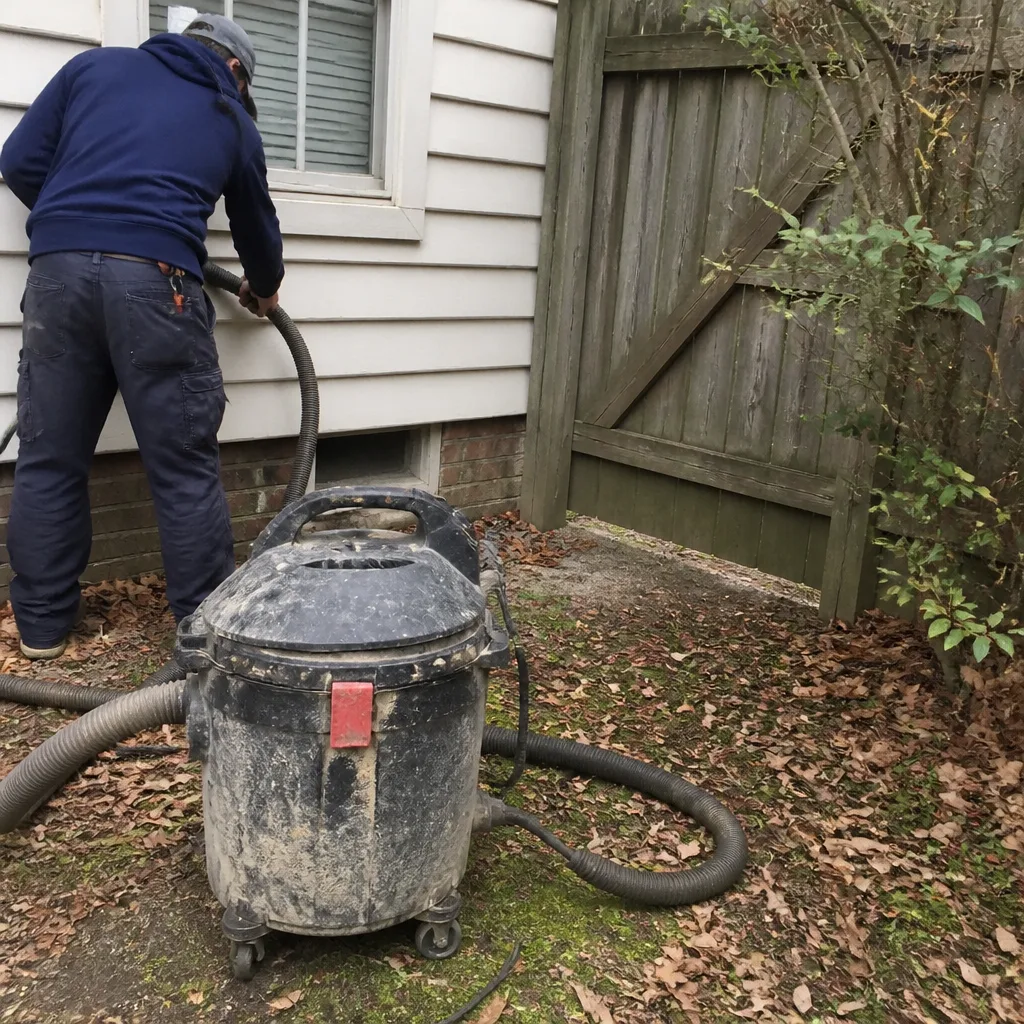 Before
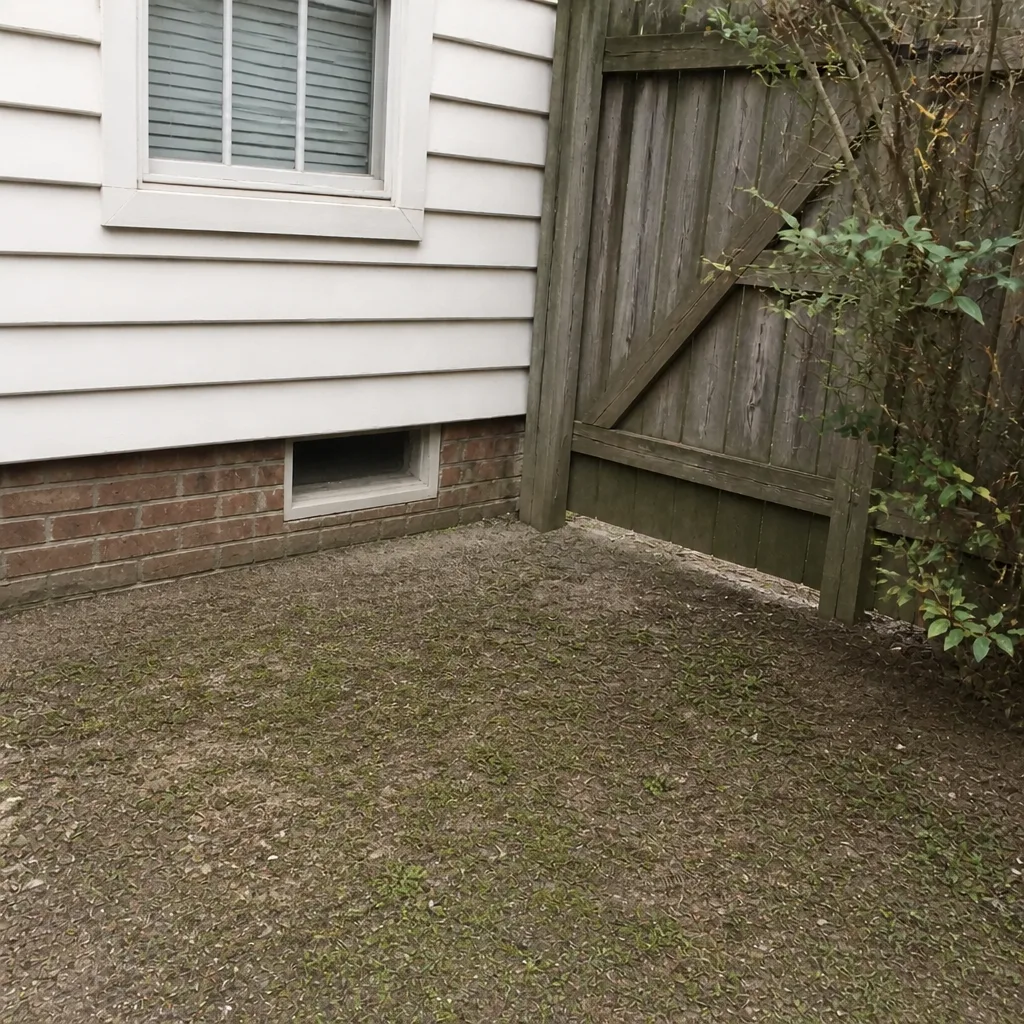 After
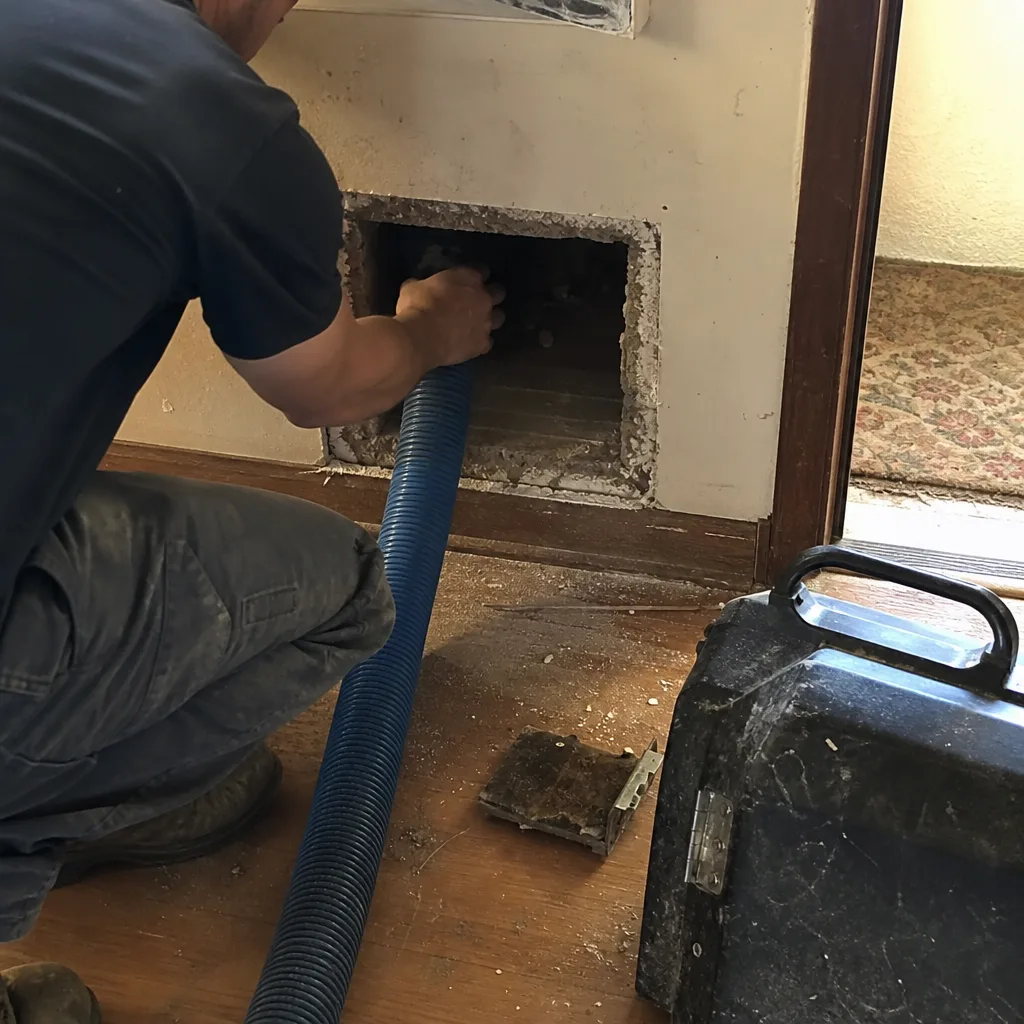 Before
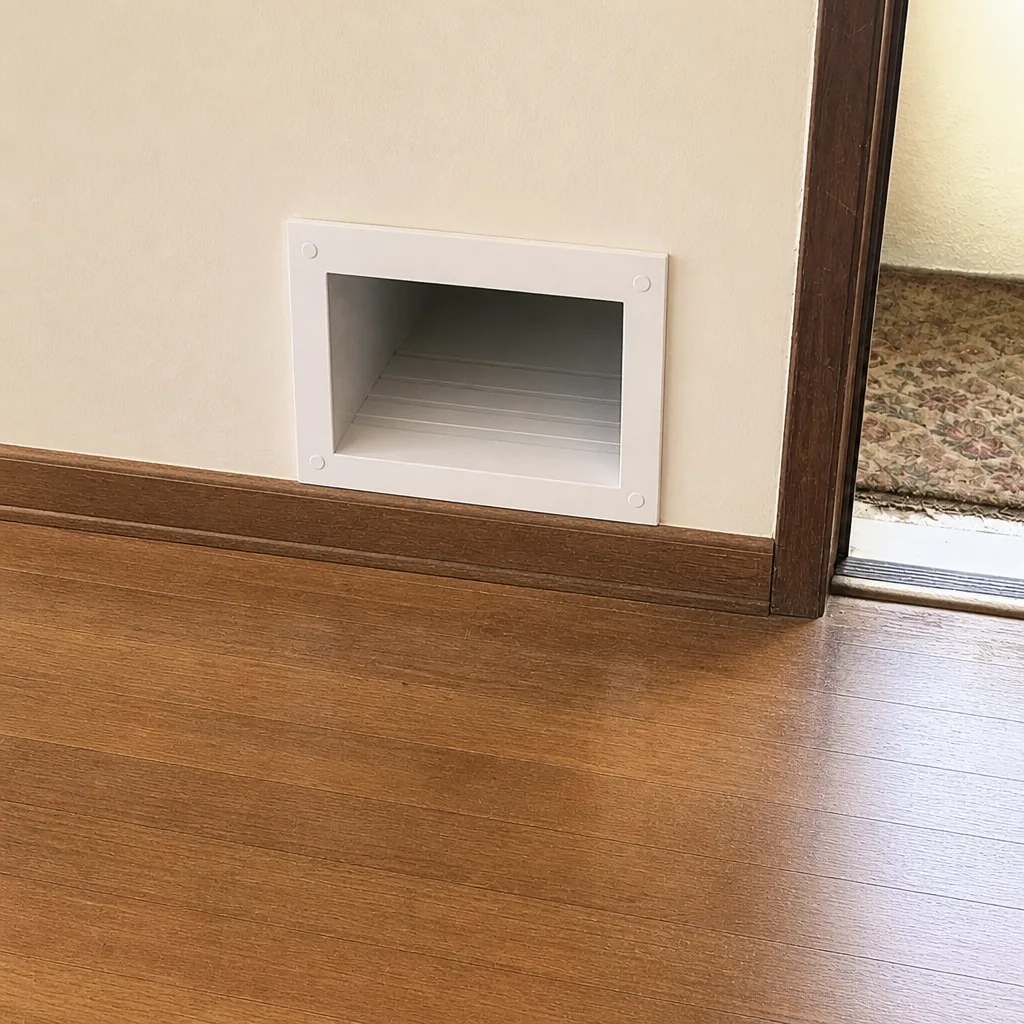 After
 Before
 After