
Last updated November 23, 2026
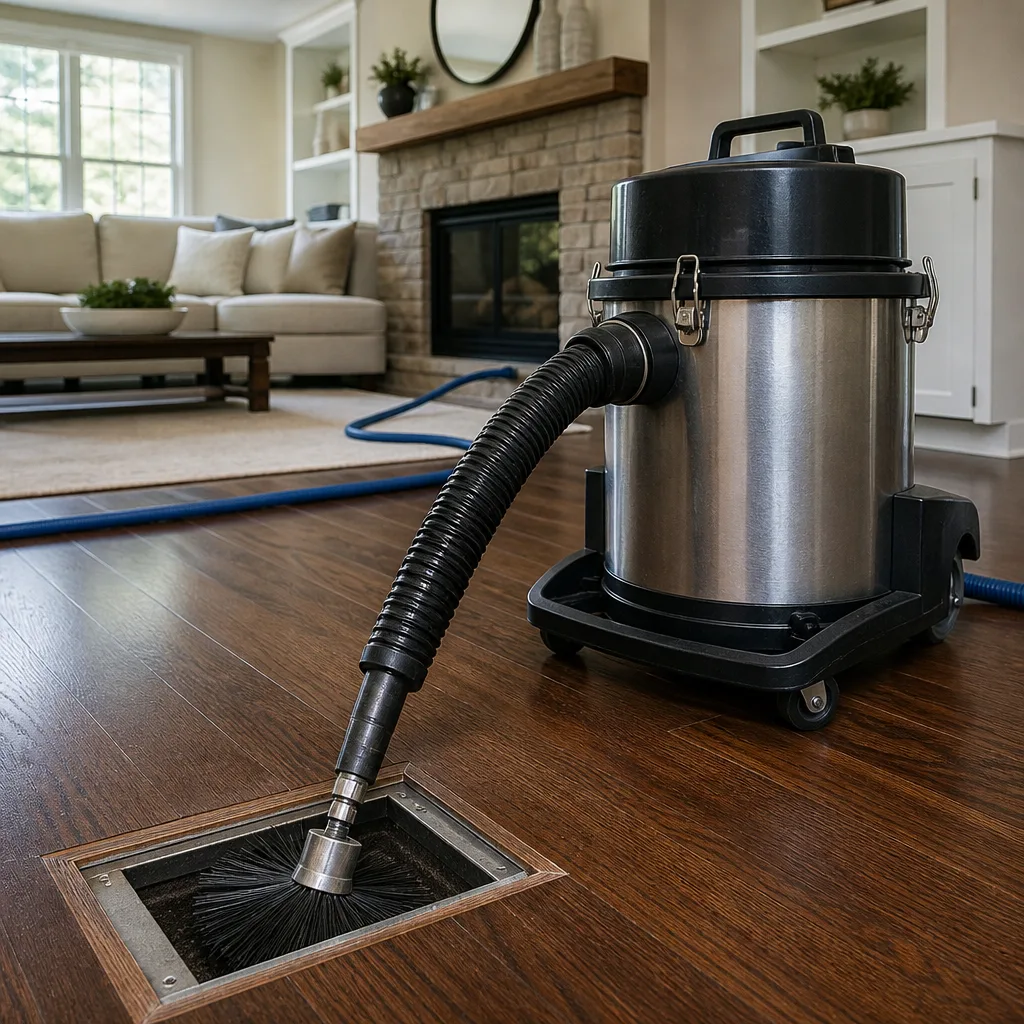 Whole-home duct cleaning
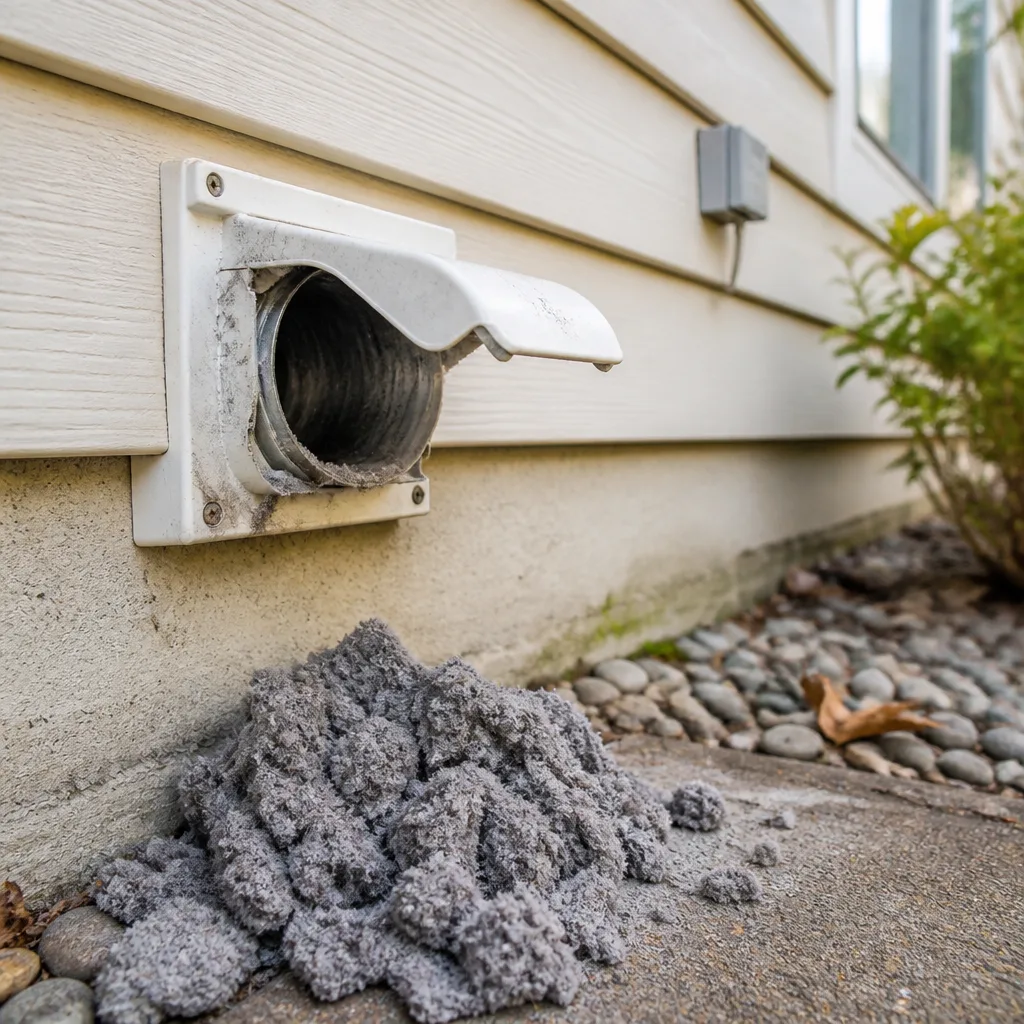 Dryer vent cleaning
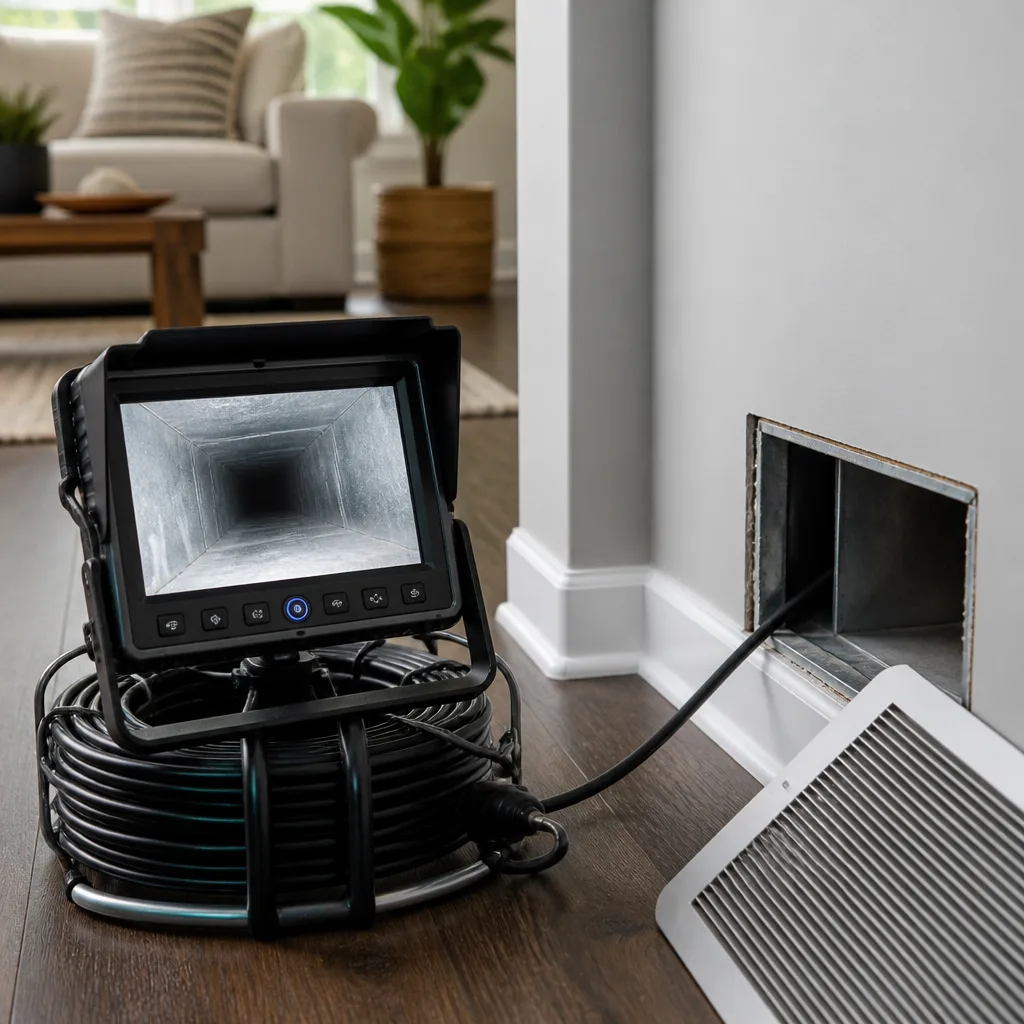 Camera inspection
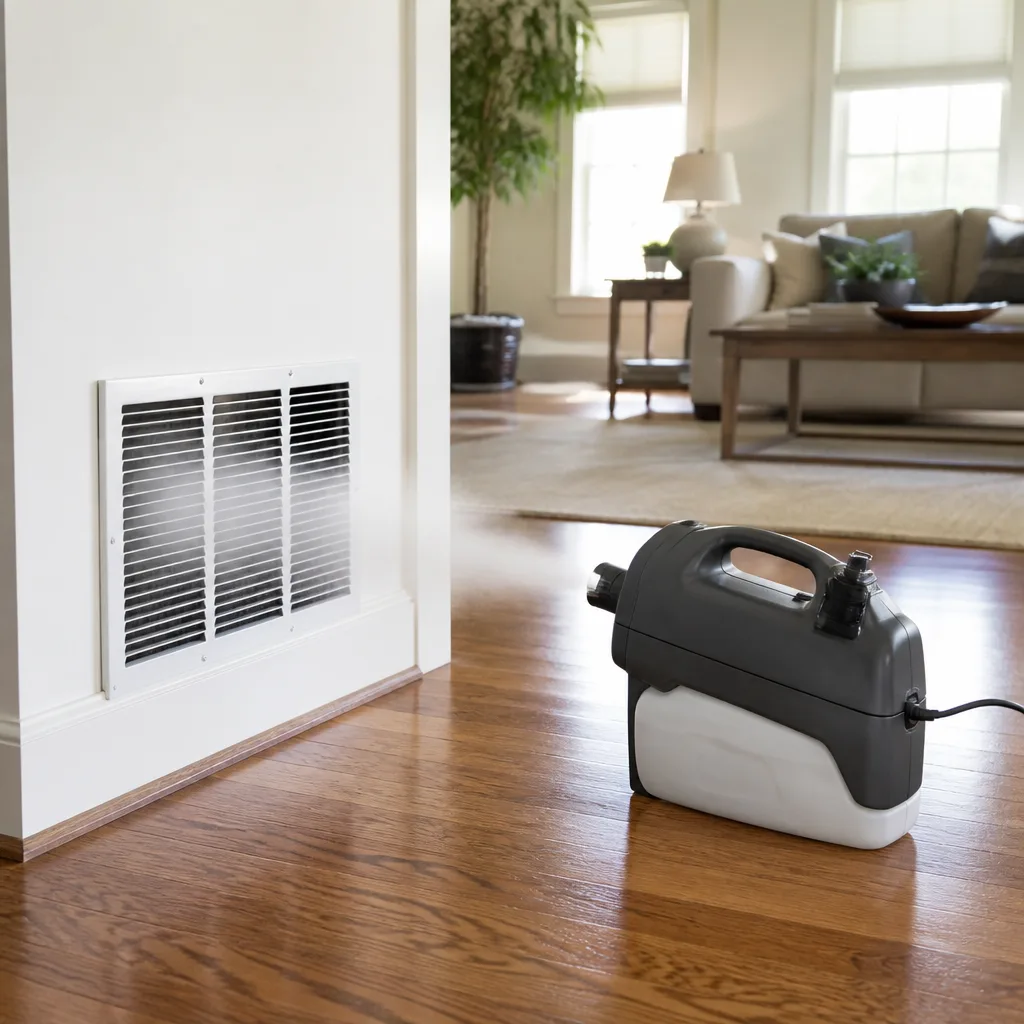 Sanitizing & deodorizing
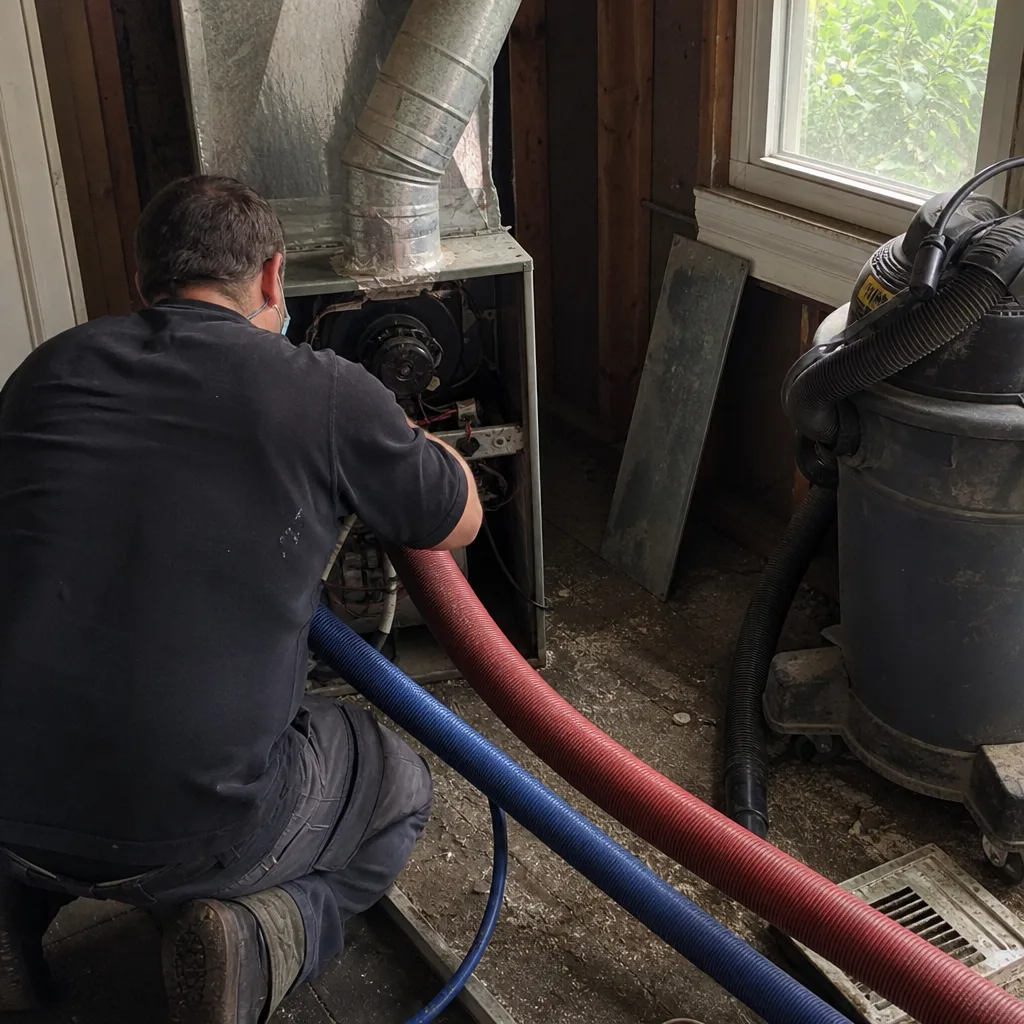
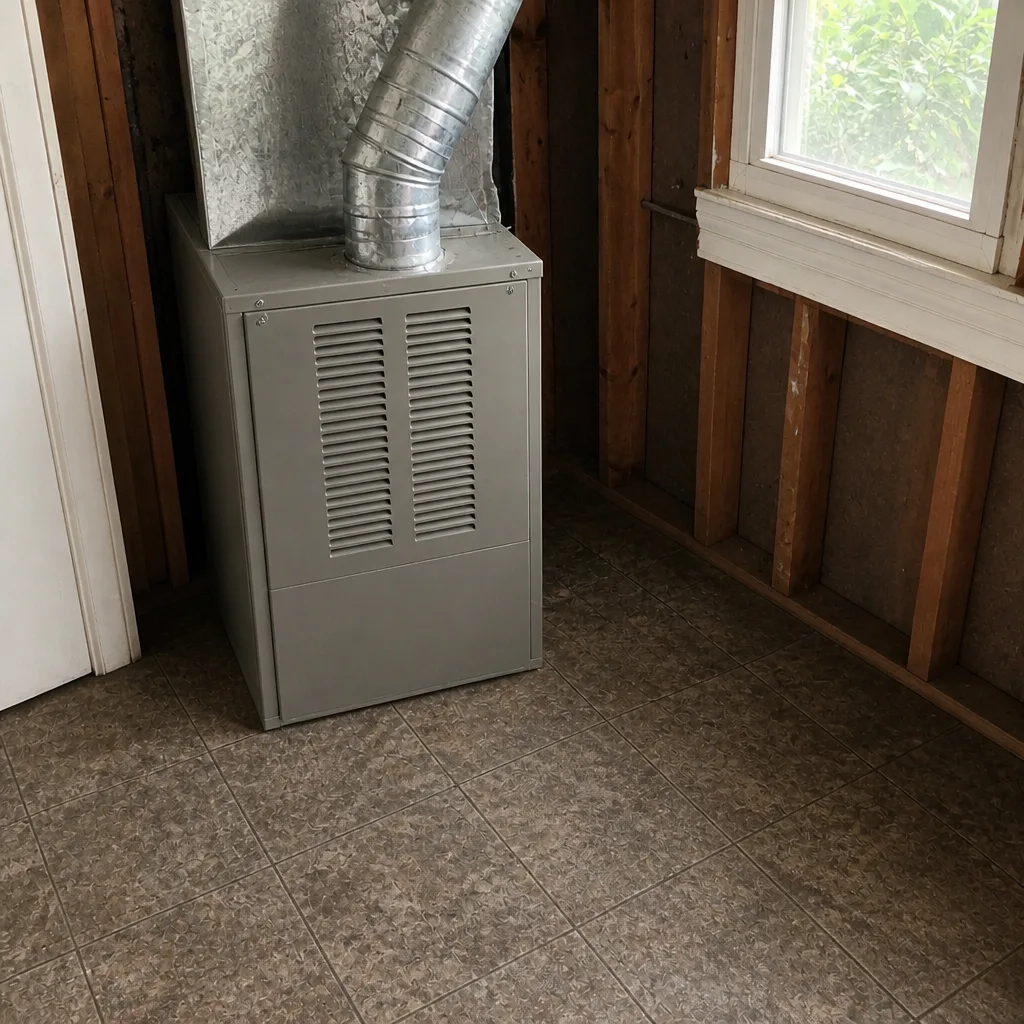
Whole-system duct and dryer vent check with before-and-after photos - you see exactly what came out of your vents
That "$99 whole-house special" is a bait ad - the real number appears once they are in your hallway, or the "clean" is a shop-vac at the register. We photograph the inside of your ducts before and after instead.
DIY vs Professional Air Duct Cleaning: The Sedgefield Homeowner’s Decision Guide
A shop vac and a $30 dryer-vent brush really can clean out the first stretch of a supply duct. That’s not a sales pitch against DIY; it’s just where the physics stop cooperating. Consumer vacuums move a fraction of the air volume a professional unit does, and no brush you can buy at a hardware store is designed to travel a flex liner without tearing it. What follows is an honest map of where do-it-yourself cleaning works, where it quietly makes things worse, and how to decide for your own Sedgefield home based on its age, duct material, and what’s actually coming out of your registers.
Styles & brands we work with
- Whole-home duct cleaning
- Dryer vent cleaning
- Camera inspection
- Sanitizing & deodorizing
Quick Answer
DIY air duct cleaning is reasonable for light surface dust in short, accessible metal duct runs and for keeping floor registers and return grilles clean between professional visits. It is not a substitute for professional cleaning when ducts are flex-lined, when the air handler cabinet is contaminated, when there’s visible mold or pest activity, or when anyone in the home has respiratory sensitivities. In those cases, the agitation and extraction equipment a professional brings does work no consumer vacuum can replicate in Sedgefield homes.
Table of Contents
- Where DIY Air Duct Cleaning Actually Works
- Three Scenarios Where DIY Is a Reasonable Interim Measure
- Four Scenarios Where DIY Isn’t an Option
- The Real Risk of DIY in Older Sedgefield Homes
- What Professional Equipment Does That a Shop Vac Can’t
- A Decision Matrix for Sedgefield Homeowners
- What a Professional Cleaning Appointment Actually Involves
- Common Mistakes to Avoid
- When to Call a Professional
- Frequently Asked Questions
- The Bottom Line
Where DIY Air Duct Cleaning Actually Works
Let’s get specific about the technical boundary, because most guides wave at it vaguely. A typical homeowner setup is a wet/dry shop vac with a 2.5-inch hose and a rotating brush attachment. That combination can genuinely address a defined set of surfaces:
- The first 12 to 18 inches of a straight supply run, reached from a floor or ceiling register with a flexible brush.
- Return grilles and supply registers themselves, which collect a visible film of dust and are safe to remove and wash.
- Short, straight, rigid metal duct sections where a brush can pass without forcing a turn.
- The immediate plenum opening at the furnace or air handler, if it’s accessible and the system is powered down.
What limits the consumer setup is suction. A shop vac moves air in the low hundreds of cubic feet per minute on a good day, and much less once a filter and a long hose are attached. Professional extraction units pull several times that volume while maintaining negative pressure on the whole system, which is what actually lifts settled debris off duct walls instead of stirring it into the air you breathe. In Sedgefield homes with long trunk runs feeding multiple rooms, the far ends of the system are simply unreachable with consumer gear, no matter how determined the homeowner is. That’s the honest boundary: DIY reaches what you can see and touch, and professional equipment reaches everything the air touches. If you want a sense of the full job, our air duct cleaning page walks through the scope.
Three Scenarios Where DIY Is a Reasonable Interim Measure
We’re not going to tell you that every homeowner needs a professional crew the moment they see dust. There are real situations where a homeowner can do useful work without calling anyone.
- You’ve just moved in and the ducts were recently cleaned. If the previous owner has documentation of a professional cleaning within the past couple of years, a thorough register-and-grille wash plus a shop vac pass on the accessible runs is a sensible way to handle the dust that settles during a move.
- You have a single visible problem area. One register that blows dust, one return that’s visibly loaded, one short run feeding a home office. Clean that specific spot, replace the filter, and watch whether it stays clean. If it does, you’ve solved it.
- You’re between professional cleanings and just want to keep up. Regular filter changes and register cleaning genuinely reduce what accumulates in the system. A homeowner who swaps filters on schedule and vacuums grilles monthly is doing more for their indoor air than most people.
Notice what these have in common: the work is scheduled, targeted, and the system is otherwise known to be in reasonable shape. DIY as maintenance is a different activity from DIY as a substitute for a full cleaning, and the second one is where homeowners get into trouble.
Four Scenarios Where DIY Isn’t an Option
Some conditions put the job outside what any consumer tool can safely or effectively handle, regardless of how handy the homeowner is.
- Flex duct runs. Flexible duct is lined with a thin inner membrane, and a stiff brush on a drill spins fast enough to tear it. Once that liner is compromised, the duct sheds fibers and loses the smooth interior that keeps air moving. Cleaning flex duct properly requires controlled agitation, not a spinning brush at full speed.
- Deteriorated duct board. Many Sedgefield homes built in the 1980s and 1990s used fiberglass duct board for trunk lines and plenums. Aged duct board breaks down, and disturbing it with a brush releases fiberglass particles directly into the airstream you’re trying to clean. This is a repair-and-seal situation, not a vacuuming situation.
- Visible mold or persistent musty odor. If you can see growth inside a register or smell mustiness when the system runs, the source needs to be identified and treated at the surface. That calls for containment, antimicrobial treatment, and often a moisture source correction. Our Air Duct Cleaning Sedgefield team treats these as a full-system air quality problem, not a vacuuming job.
- Contamination inside the air handler cabinet. The blower wheel, evaporator coil, and cabinet interior are where a lot of contamination concentrates, and they’re also where a homeowner can damage expensive components or get hurt. This is HVAC work, and it belongs with someone equipped for it. Our HVAC cleaning service covers these components alongside the ducts.
There’s a fifth gray area worth naming: any system where someone in the home has asthma, significant allergies, or an immune condition. Even a light DIY cleaning can stir up debris that a professional containment setup would have captured at the source. In those homes, we’d skip the shop vac entirely.
The Real Risk of DIY in Older Sedgefield Homes
Sedgefield has a housing mix that matters here. Neighborhoods with homes from the 1970s through the 1990s often have the original duct infrastructure still in place: fiberglass duct board trunks, early-generation flex branches, and air handlers that have been swapped but never had the surrounding ductwork reworked. Older homes in and around the Sedgefield area carry the same pattern. Those materials don’t fail dramatically. They degrade quietly, and that’s exactly what makes them risky to clean with the wrong tool.
The two failure modes we see most:
- Flex liner damage. A rotating brush driven at drill speed contacts the inner liner of flex duct and can abrade or tear it. The damage is usually invisible from the register. What follows is fiber shedding, reduced airflow, and a duct that now needs replacement rather than cleaning.
- Fiberglass fragment release. Duct board that has aged and begun to break down is held together loosely. Brushing it releases mineral fibers into the airstream, and those fibers are exactly the kind of fine particulate a healthy HVAC system should not be distributing through a house.
Neither of these is a reason to be afraid of your ducts. Both are reasons to know your duct material before you put a brush in it. If you’re not certain what’s behind your registers, that uncertainty alone is a good argument for having someone look who works with these materials routinely.
What Professional Equipment Does That a Shop Vac Can’t
This is where the difference stops being philosophical and becomes measurable. A professional cleaning isn’t a bigger shop vac. It’s a different process built around two things at once: loosening contamination and capturing it before it can recirculate.
We use Rotobrush rotary-brush agitation systems, which are specified for commercial and restoration projects, paired with Nikro HEPA-rated vacuum extraction. The brush agitates contamination off the duct surface under controlled speed and contact, and the vacuum captures it at the source. Because the agitation and extraction happen together, debris comes out of the system rather than just getting pushed around inside it.
Containment is the piece homeowners rarely think about. We bring Abatement Technologies air filtration units to residential jobs, which maintain negative pressure so that loosened contamination doesn’t migrate into living space during the work. That’s standard practice in remediation work and uncommon in routine duct cleaning. After cleaning, an antimicrobial treatment like Guardsman applied at the duct surface inhibits mold, bacteria, and odor at the source rather than masking it.
The measurable differences come down to a few things:
- Air volume. Professional extraction moves several times the CFM of a consumer vacuum and sustains it through a long hose under load.
- Containment. Negative pressure keeps the loosened debris inside the system until it’s captured, not in the room with you.
- Reach. Rotary agitation reaches the full length of a run, including turns a hand brush can’t navigate.
- Surface treatment. Cleaning is followed by antimicrobial application, which no consumer product realistically replicates at the duct interior.
The other piece is repair and sealing. Cleaning a system with leaking joints and disconnected runs is a temporary improvement at best. Our dryer vent cleaning service applies the same extraction logic to a separate and important part of the home’s air pathway, and Duct Repair & Sealing addresses the leaks that let contamination back in after a cleaning. One visit can cover the full air-handling system, which is a different proposition than calling three different trades.
A Decision Matrix for Sedgefield Homeowners
Rather than a blanket recommendation, here’s how we’d walk a homeowner through the call. The factors that actually matter are home age, duct material, what kind of contamination you’re dealing with, and who lives in the house.
- Home built before 1985, duct board or original flex present: Professional. DIY risks fiberglass release and liner damage. This is where the material itself is the deciding factor.
- Home built 1985 to 2000, mixed metal and flex: Professional if you can’t identify the material behind each register; DIY on registers and grilles only in the meantime.
- Home built after 2000, metal trunk and flex branches: DIY on registers and accessible metal runs is fine for light dust. Professional if you see contamination deeper in or airflow has dropped.
- Light, uniform surface dust, no odor, no symptoms: DIY maintenance is reasonable. Clean registers, change filters, monitor.
- Musty odor, visible growth, or pest evidence: Professional, always. These are contamination sources that need to be identified and treated, not vacuumed.
- Asthma, significant allergies, immune conditions, or young infants in the home: Professional with containment. The cost of stirring up debris in an occupied home outweighs any savings.
- Recent renovation, remodeling dust, or a new HVAC install: Professional. Construction debris and drywall dust settle through the whole system, not just the visible runs.
- Unexplained energy bills or uneven room temperatures: Have the system inspected. Leaky or disconnected ducts are a sealing problem, not a vacuuming problem.
If you take one thing from the matrix, let it be this: the deciding factor is almost never how dirty the ducts are. It’s what the ducts are made of and who’s breathing the air.
What a Professional Cleaning Appointment Actually Involves
Knowing what a real cleaning looks like is the best defense against a crew that runs a vacuum for twenty minutes and hands you an invoice. Here’s the sequence we follow for a residential job in Sedgefield.
- System inspection. Identify duct material, locate all supply and return runs, check for disconnected or crushed sections, and inspect the air handler cabinet and coil.
- Containment setup. Place air filtration units to maintain negative pressure and protect living space during the work.
- Register and grille removal. Remove and clean every register and grille, then set them aside for reinstallation after cleaning.
- Source agitation. Run rotary brush agitation through each duct run under controlled speed and contact, matched to the material.
- HEPA extraction. Extract loosened contamination with HEPA-rated vacuum equipment connected to the system so debris leaves the home.
- Air handler and coil cleaning. Clean the blower wheel, cabinet interior, and evaporator coil, often the largest reservoir of contamination in the system.
- Sealing and repair. Seal leaking joints and reconnect or repair compromised runs so the cleaned system stays clean.
- Antimicrobial treatment. Apply treatment at the duct surface to inhibit mold, bacteria, and odor, then document the work with before-and-after photos of your own ducts. A written estimate before any work begins sets the price.
One appointment. Five services under one roof: duct cleaning, dryer vent cleaning, HVAC cleaning, duct repair and sealing, and air quality and sanitizing. For homeowners ready to go further, we can recommend and install Honeywell and Aprilaire filtration or humidity products at the point of service rather than pointing you to a third party.
Common Mistakes to Avoid
- Running a drill-mounted brush through flex duct. It’s the most common DIY damage we diagnose. The liner tears quietly, and by the time airflow drops, the duct needs replacement.
- Cleaning ducts while the system is running. Air keeps moving, debris keeps moving, and loosened contamination circulates through the house. Shut the system off before touching a register.
- Hiring on price alone without asking about containment. A low quote often means no negative-pressure setup, no HEPA extraction, and debris migrating into living space. Ask what equipment goes on the job.
- Treating visible duct cleaning as the whole job. The blower wheel and evaporator coil are often dirtier than the ducts. If those aren’t addressed, the ducts get re-contaminated within months.
- Skipping duct sealing after cleaning. Leaking joints in Sedgefield attics and crawlspaces pull in unconditioned air and dust. Cleaning without sealing means you’ll do it again sooner.
- Forgetting the dryer vent. It’s a separate fire and efficiency concern and it’s easy to overlook when the focus is on supply ducts.
- Ignoring a musty smell and hoping a cleaning fixes it. Odor usually points to a moisture source. Cleaning alone won’t fix a source that’s still active.
When to Call a Professional
Call a professional when you can’t identify your duct material, when flex liner or duct board is part of the system, when there’s a musty odor or visible growth, when anyone in the home has respiratory sensitivity, or when the system has just been through a renovation or an HVAC replacement. Call if airflow has dropped or bills have climbed without an obvious cause, since those often point to leaking or disconnected ducts. And call if you simply want the job done once, documented, and seen through to sealing and treatment in a single visit. Air Duct Cleaning Sedgefield offers free estimates in Sedgefield. Call (833) 468-5694. We answer 24/7, with fast dispatch from 7am to 7pm, Sunday through Friday. Our technicians have up to 14 years of experience on residential and light-commercial air-handling systems.
Frequently Asked Questions
Yes, for light surface dust on registers, grilles, and the first accessible stretch of straight metal duct. DIY is also a reasonable way to keep up between professional cleanings with regular filter changes and grille cleaning. It stops being worth it once flex liner, duct board, air handler contamination, or respiratory sensitivity enters the picture. Call (833) 468-5694 for a free estimate if you’re not sure which side of that line your home falls on.
Not usually, if it’s used on metal runs with a soft attachment. The real risk is the rotating brush on a drill, which can abrade or tear the inner liner of flex duct and release fiberglass fragments from deteriorated duct board. On older Sedgefield ducts, the brush you attach matters more than the vacuum you attach it to.
Look inside a register opening with a flashlight. A smooth metal interior is sheet metal duct; a shiny foil-like sleeve on a wire helix is flex duct; a gray or tan rigid panel with a fibrous texture is fiberglass duct board. If you can’t tell, that’s the answer that matters: have someone look who works with these materials routinely. Call (833) 468-5694 and we’ll take a look during a free estimate.
It depends on the size of the system and the scope, so pricing is set per job by a written estimate before any work begins. That’s the real answer, and it’s also why we don’t quote a per-vent price or a teaser figure. A job that needs sealing or repair is priced differently than a clean-and-treat. Call (833) 468-5694 for a free estimate with one flat price for the whole system.
There’s no universal schedule, and anyone who quotes you one is guessing. A reasonable rule is to have the system inspected after a renovation, an HVAC replacement, a pest issue, or when you notice odor, dust, or airflow changes. Otherwise, it’s driven by the system’s condition rather than a calendar. Call (833) 468-5694 and we’ll tell you what a free estimate shows.
Not when it’s done with proper containment. Negative-pressure air filtration units keep loosened debris inside the system until it’s extracted into HEPA equipment. A crew without containment is the setup where dust ends up in your living room, which is one of the questions to ask before hiring anyone.
The Bottom Line
DIY air duct cleaning isn’t dangerous and it isn’t useless. It’s just narrower than most homeowners assume. It reaches the first stretch of straight metal duct and the registers you can remove and wash, and there are real situations where that’s all the job needs. It stops at flex liner, duct board, air handler contamination, mold, pest activity, and homes where someone’s health makes containment non-negotiable. The decision matrix above is your shortcut: home age, duct material, contamination type, and who lives there. Get those four right and the call makes itself.
If you’d like a straight assessment instead of a sales pitch, call Air Duct Cleaning Sedgefield at (833) 468-5694. We answer 24/7, with fast dispatch from 7am to 7pm, Sunday through Friday. Estimates are free, the price is one flat figure per system agreed in writing before work starts, and you’ll get before-and-after photos of your own ducts so you can see the work was actually done.
Written by the team at Air Duct Cleaning Sedgefield.
See the difference
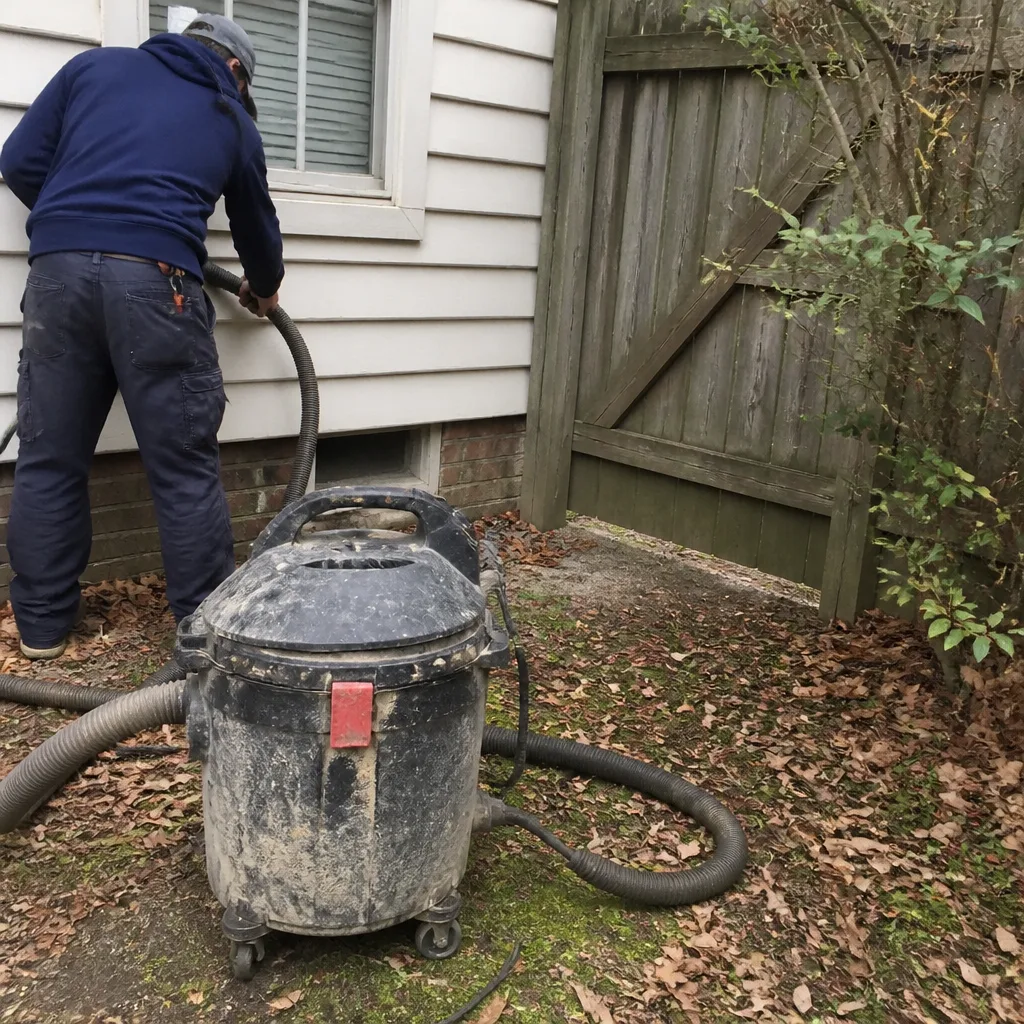 Before
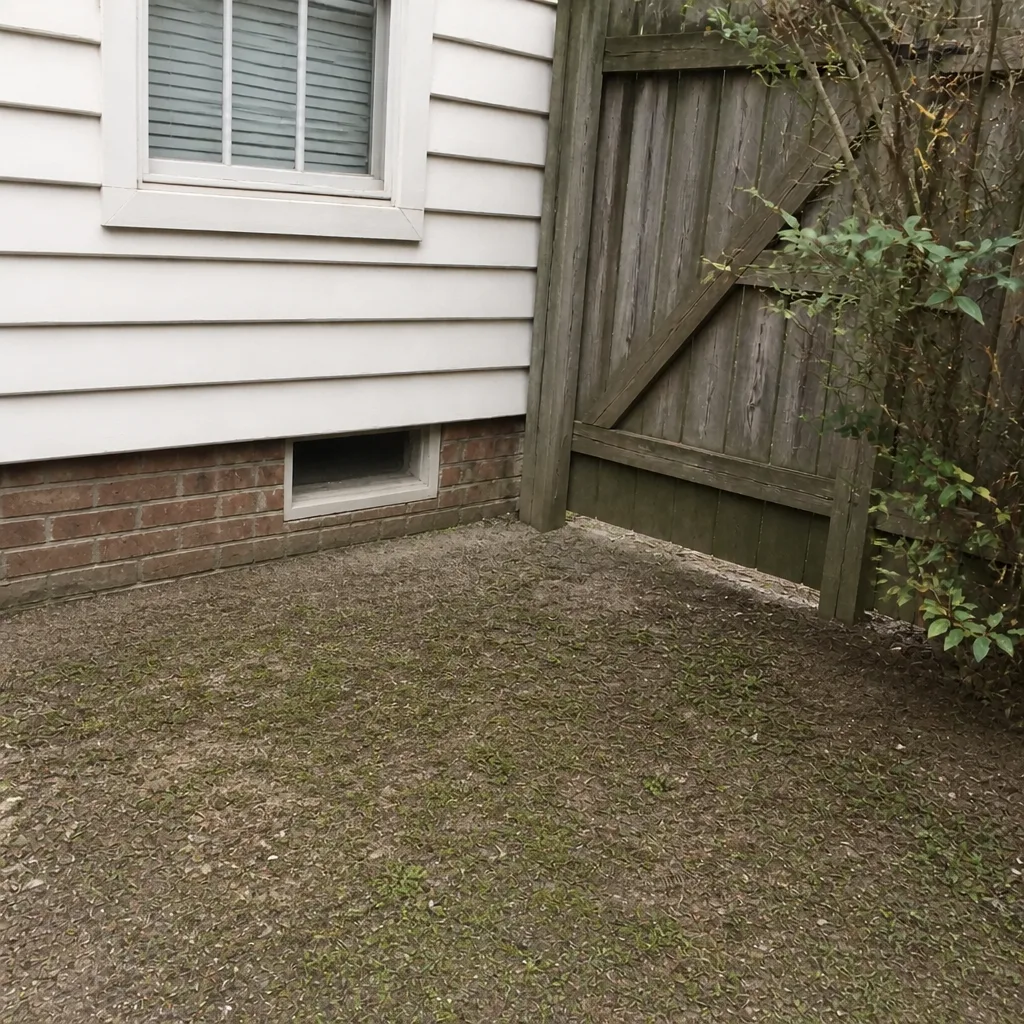 After
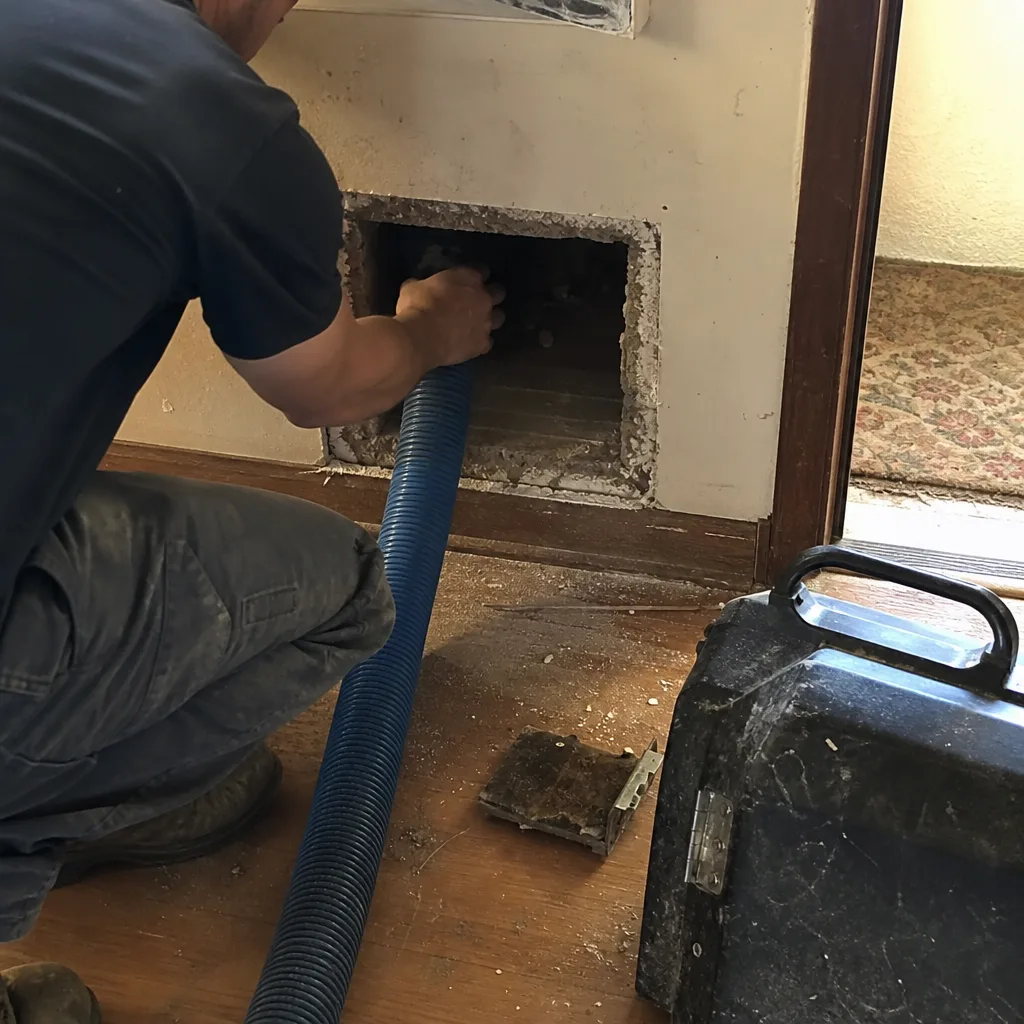 Before
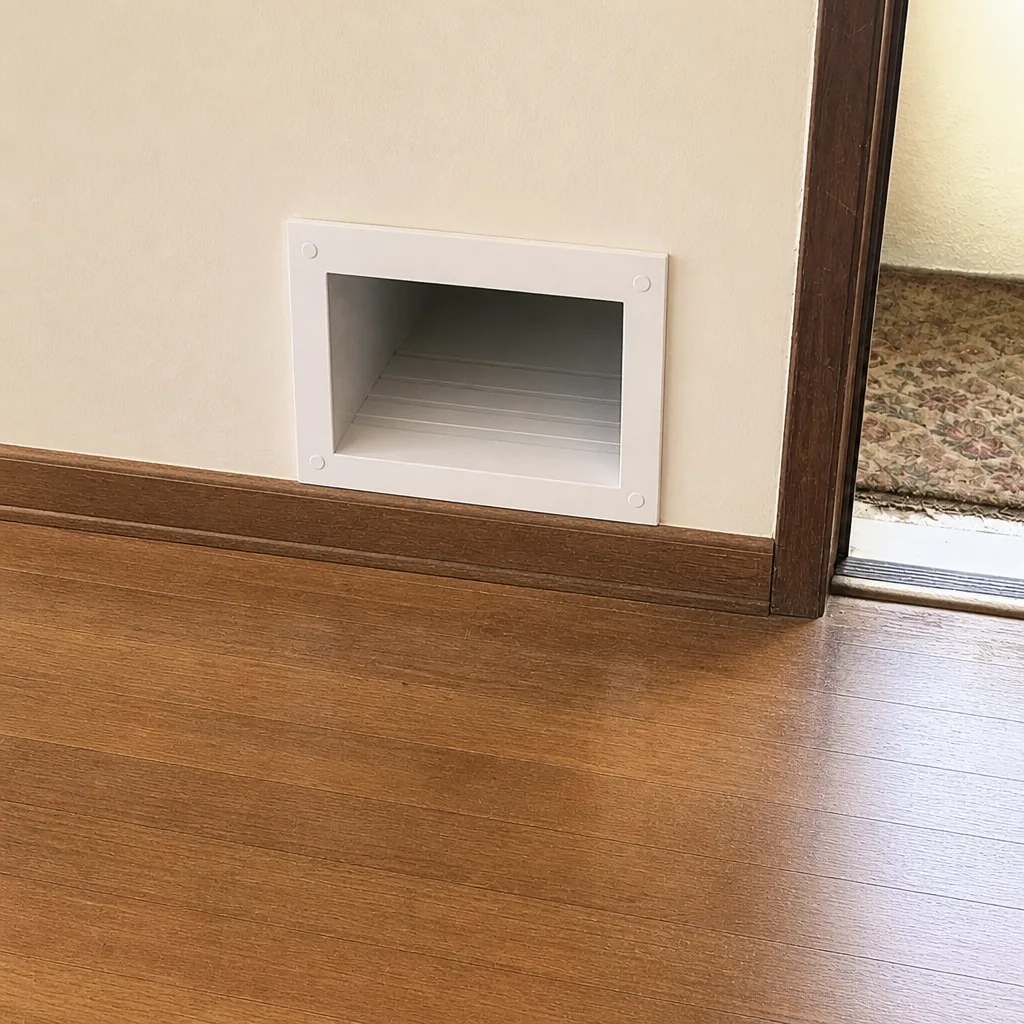 After
 Before
 After