
Last updated November 23, 2026
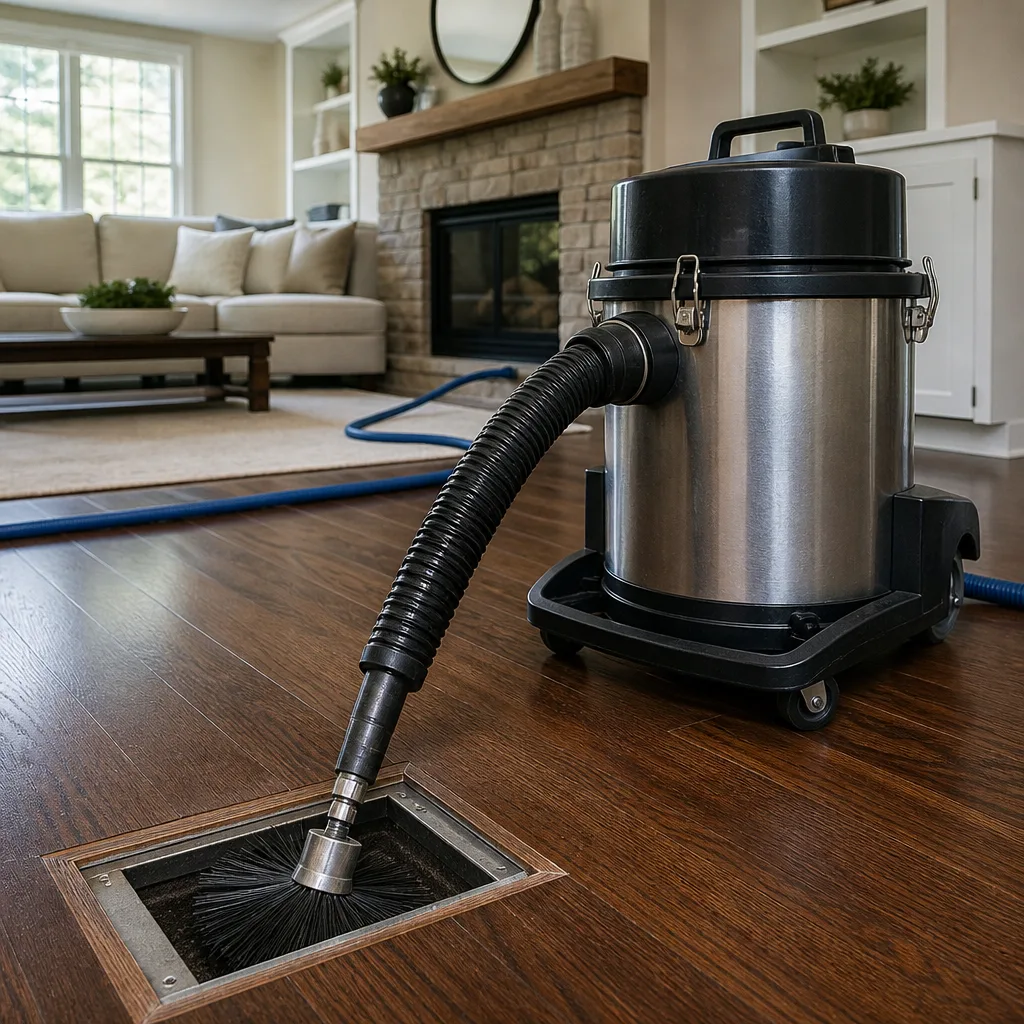 Whole-home duct cleaning
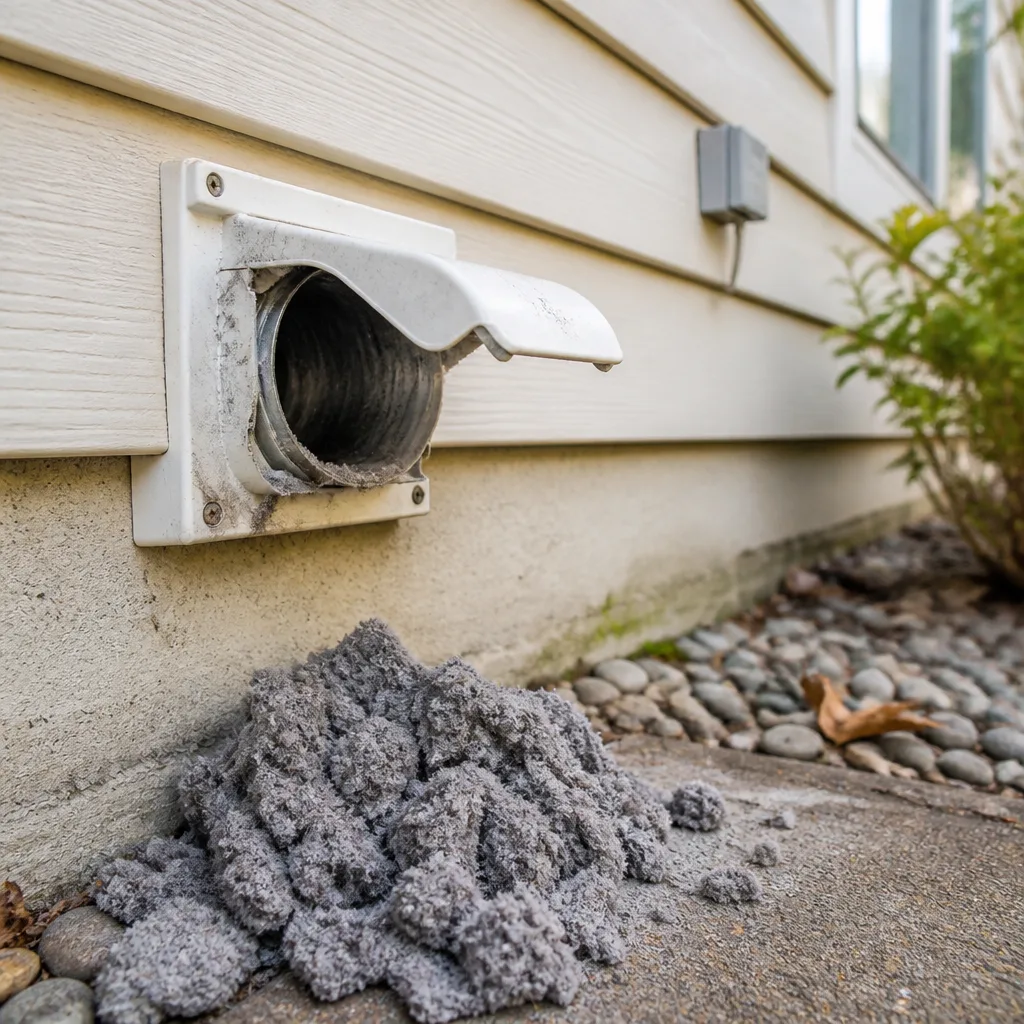 Dryer vent cleaning
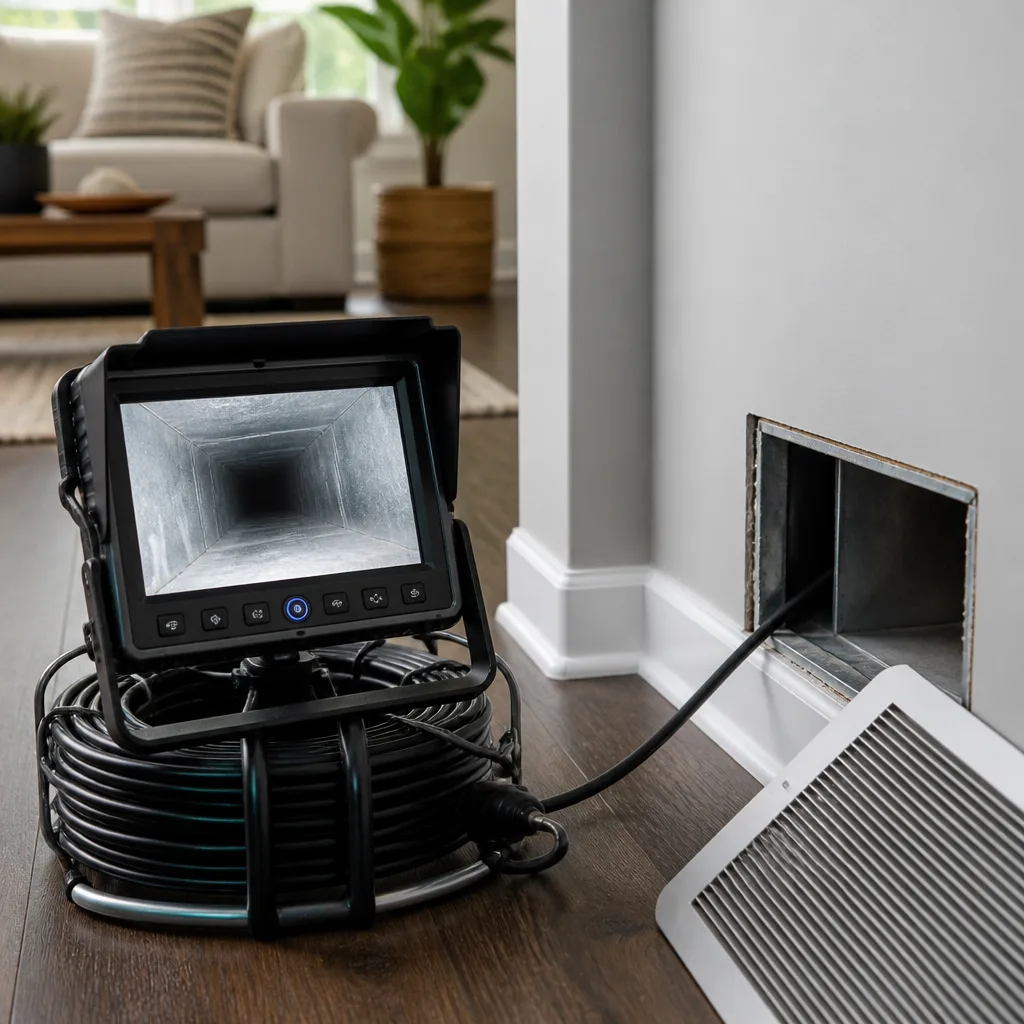 Camera inspection
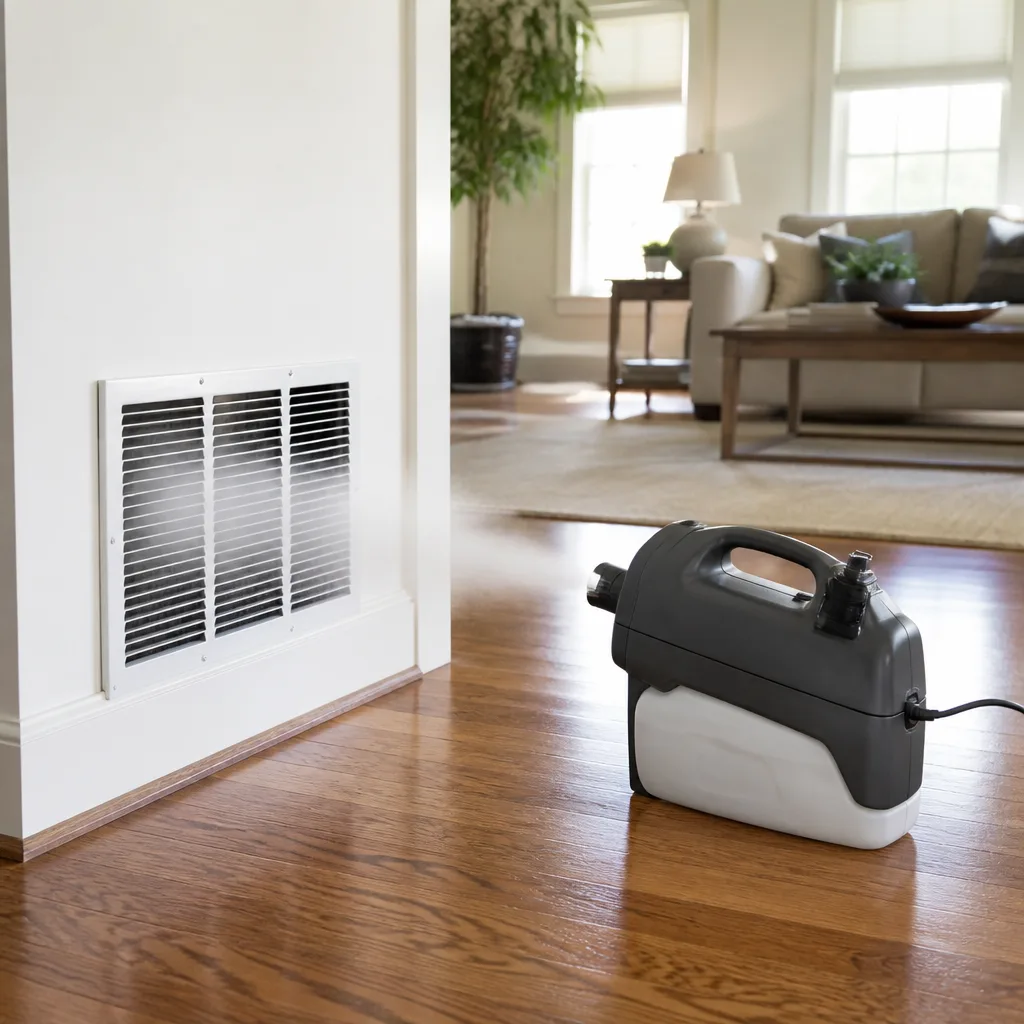 Sanitizing & deodorizing
Whole-system duct and dryer vent check with before-and-after photos - you see exactly what came out of your vents
That "$99 whole-house special" is a bait ad - the real number appears once they are in your hallway, or the "clean" is a shop-vac at the register. We photograph the inside of your ducts before and after instead.
Air Duct Cleaning Emergency Preparedness Guide for Sedgefield Homes
Smoke odor that lingers weeks after a kitchen fire is not a cosmetic problem. Smoke particulate settles into duct lining and insulation, then re-enters living air every time the system runs, and no amount of air freshener or candle burning addresses that. The same logic applies after a flood, a pest infestation, or an HVAC failure: your ductwork becomes a reservoir, and whatever entered it keeps circulating for months. Most household emergency plans cover evacuation routes, insurance documents, and water shutoff valves. Almost none of them mention the air-handling system. This guide explains what actually happens inside ducts during each type of emergency, what to do in the first hours to limit the spread, and how to document the damage so a Sedgefield homeowner ends up with a cleaning scope that matches the loss.
Quick Answer
After a fire, flood, pest infestation, or HVAC refrigerant event in a Sedgefield home, the duct system should be professionally assessed before the HVAC system is put back into regular service. Shut the system off, seal the supply and return registers, and photograph everything before cleanup begins. Emergency restoration duct cleaning differs from routine maintenance cleaning in scope, containment equipment, and the use of EPA-registered antimicrobial treatments. A standard vacuum-and-brush pass will not remove smoke residue, flood sediment, or biological contamination that has bonded to duct surfaces.
Styles & brands we work with
- Whole-home duct cleaning
- Dryer vent cleaning
- Camera inspection
- Sanitizing & deodorizing
Table of Contents
- The Four Emergency Scenarios That Require Duct Assessment
- How Each Emergency Type Contaminates Ductwork Differently
- What to Do in the First Hours After an Emergency
- Insurance Documentation: What Adjusters Need for Duct Cleaning
- Restoration Cleaning vs. Standard Maintenance Cleaning
- The Equipment Difference: Containment and Extraction
- Seasonal Risks for Sedgefield Homes
- Building a Duct System Preparedness Plan
The Four Emergency Scenarios That Require Duct Assessment
Four distinct events put a residential duct system at risk, and each demands a different response. Knowing which one you are dealing with determines whether the system can be cleaned in place, whether a portion of ductwork must be replaced, and whether you need to file an insurance claim or pay out of pocket.
Fire and smoke events. Even a small kitchen fire that never reaches the ductwork can overload the return system with smoke. The HVAC blower pulls air from the affected room and distributes it through supply trunks to every connected space. This is the scenario where duct assessment matters most, because the visible damage is often limited to one room while the contamination is whole-house.
Flooding and water intrusion. Water entering a crawlspace, basement, or wall cavity can reach flexible duct runs, boots, and plenum connections. Any duct section that stays wet past roughly a day becomes a biological growth environment, and the system recirculates those spores every time it runs.
Pest infestation. Rodents, squirrels, and birds enter duct systems through attic penetrations, disconnected joints, and roof vents. The immediate problem is nesting material and droppings; the longer problem is compromised duct integrity where animals chewed through.
HVAC refrigerant and mold events. A refrigerant leak inside the air handler, a failed condensate drain, or a cooling coil that stays wet in a humid Sedgefield summer can seed microbial growth directly at the coil and downstream in the plenum. Technicians find this most often during a HVAC cleaning inspection, when the coil and drain pan get checked alongside the ducts themselves.
Each of these four events has one thing in common: the visible damage and the actual contamination are rarely in the same place. That gap is why duct assessment belongs in every emergency response.
How Each Emergency Type Contaminates Ductwork Differently
Smoke, flood water, animal waste, and refrigerant residue do not behave the same way inside a duct system, and treating them with the same equipment is part of why post-emergency duct cleaning often fails. Understanding the mechanism tells you what kind of cleaning is actually required.
Smoke behaves like a gas first, then a solid. Hot smoke carries fine particulate under pressure and deposits it wherever airflow slows: the inner walls of flex duct, the fins of the cooling coil, the fiberglass liner of an air handler cabinet, and the return plenum. The residue is acidic and oily, and it bonds to surfaces. Air fresheners and ozone machines mask the smell but leave the deposit, which is why odor returns the moment the system runs in cooling or heating mode. Removing it takes agitation that reaches the duct walls and HEPA-rated extraction that captures the released particulate rather than blowing it into the room.
Flood water behaves like sediment and a biology starter. Water carries silt, drywall dust, and whatever else it crossed on the way in. As it recedes, that material settles in low points of horizontal duct runs and inside boots at the floor. The residue is heavy and clumped, but the real problem is moisture: any duct section that stays damp past the first day becomes a substrate for mold growth, and the spores travel wherever the air goes.
Pest contamination behaves like a point source. Animal activity is concentrated at entry points, joints, and nest sites rather than spread evenly through the system. Droppings and nesting material sit in a defined area, but the contamination travels because the system pulls particles from those sites and distributes them. The response requires removing the material first, then cleaning and disinfecting the affected duct sections, and finally sealing the entry points so it does not recur.
Refrigerant and mold events behave like a localized bloom. Growth starts at the wet component (coil, drain pan, or plenum), then spreads downstream. Cleaning the ductwork without addressing the source component means the growth returns within a cooling season. This is why we treat coil cleaning, drain pan treatment, and duct cleaning as one job rather than three.
What to Do in the First Hours After an Emergency
The first two hours after an emergency event determine how much contamination ends up in the duct system. These steps are safe for any homeowner to take and cost nothing.
- Shut the HVAC system off at the thermostat and the breaker. If the system keeps running, it keeps pulling contaminated air from the affected zone and pushing it into clean rooms. This is the single most important step, especially after a fire or flood.
- Seal supply and return registers in unaffected rooms with plastic sheeting and painter’s tape. This creates a basic barrier so contamination in one zone does not migrate through the trunk line into every other room.
- Photograph everything before cleanup begins. Wide shots of each affected room, close-ups of visible soot, water lines, or droppings, and a shot of the thermostat and any accessible duct connections. Adjusters want images that show the scope of the loss, not just the worst single wall.
- Do not run a shop vacuum in the affected area. Standard vacuums exhaust fine particulate back into the air and can push soot and mold spores deeper into the duct system. HEPA-rated equipment is the only safe option, and that is what a professional arrives with.
- Document the indoor conditions with a notepad or phone memo. Note the date, the time you shut the system off, and what you observed (smoke odor, standing water, animal activity). This log is often what convinces an adjuster that duct cleaning is part of the covered loss rather than routine maintenance.
- Call your insurer and a duct professional on the same day. The longer the system sits contaminated, the wider the affected zone becomes and the larger the remediation scope.
For a pest infestation, add one more: do not use pesticides inside the duct system. Fogging a duct with an insecticide contaminates the entire air pathway and turns a manageable cleanup into a full duct replacement in some cases. Removal, sealing, and disinfection in that order is the correct sequence.
If the event involved a fire that produced visible soot, or standing water that reached the air handler, do not turn the system back on to “test it” before the ducts are assessed. Running a contaminated system even once can distribute residue into parts of the duct network that were previously clean.
Insurance Documentation: What Adjusters Need for Duct Cleaning
Duct cleaning after a covered loss is frequently denied at first pass, not because it is excluded, but because the claim documentation does not establish a link between the emergency event and the duct contamination. Fix the documentation and the coverage usually follows. Here is what adjusters need to see.
- A written scope of work with room-by-room detail. A line that says “duct cleaning” is not enough. The scope should identify which ducts, which registers, and which HVAC components were affected, with the reasoning for each.
- Before photographs of the ducts and affected components. If a technician cannot open a register and photograph the interior, the adjuster has no basis to approve the line item. Camera documentation of the duct interior is standard for restoration work.
- The event-to-contamination narrative. A short paragraph that names the event, the date, the affected zone, and how contamination reached the ducts. This is the piece homeowners most often skip.
- Equipment and treatment list. Containment equipment, HEPA extraction, and EPA-registered antimicrobial treatment should appear as separate line items so the adjuster can see what was actually performed.
- A post-cleaning verification report. Photographs of the cleaned duct interior and a summary of what was removed. This protects against a later dispute about whether the work was completed.
One clarification worth making with any adjuster: post-emergency duct cleaning is a restoration scope, not maintenance. Maintenance cleaning addresses routine dust accumulation and is generally excluded. Restoration cleaning addresses contamination introduced by a covered event and is generally included. The documentation is what separates the two in the file.
Air Duct Cleaning Sedgefield provides written scopes and before-and-after photographic documentation as part of every restoration job. We can work with your insurer on the documentation flow. The insurer makes the coverage decision; we make sure the file supports it.
Restoration Cleaning vs. Standard Maintenance Cleaning
Restoration cleaning and maintenance cleaning use different equipment, different treatment protocols, and different scopes of work. Homeowners who assume one equals the other often end up paying for a second, larger job a few weeks later. Here is the comparison.
| Category | Maintenance Cleaning | Restoration Cleaning |
|---|---|---|
| Trigger | Routine dust accumulation over a few years | Fire, flood, pest, or contamination event |
| Containment | Limited; system stays in service | Negative-pressure containment at affected zones |
| Extraction | Standard vacuum with HEPA filtration | HEPA extraction paired with rotary agitation |
| Surface treatment | None, or optional antimicrobial at customer request | EPA-registered antimicrobial applied post-cleaning to all affected surfaces |
| Component scope | Ducts and registers | Ducts, registers, air handler, coil, plenum, and drain pan |
| Documentation | Standard service record | Full photo documentation and written scope suitable for insurance |
| Follow-up | Not typical | Post-cleaning verification, sometimes a second visit |
The distinction matters because restoration work needs the coil and air handler to be cleaned to the same standard as the ducts. If the coil is left contaminated and the ducts are cleaned, the coil re-seeds the whole system within a cooling season. Restoration cleaning also applies EPA-registered antimicrobial treatment to inhibit mold, bacteria, and odor at the duct surface after cleaning. Maintenance cleaning does not typically include that step unless a customer requests it.
For Sedgefield homes in older neighborhoods where the duct runs are original and the HVAC system has been replaced since, restoration work also needs to look at joint integrity. Loose joints, disconnected boots, and degraded flex duct that might have survived a light maintenance cleaning can become a bigger problem when the system is pulled under negative pressure during restoration. That inspection usually combines with air duct cleaning as a single job so the ducts are cleaned and the connections verified in the same visit.
The Equipment Difference: Containment and Extraction
Restoration-grade duct cleaning depends on two things that most residential duct cleaners do not bring to a job: negative-pressure containment and HEPA-rated extraction. Without both, contamination gets disturbed and redistributed instead of removed.
Containment. Abatement Technologies air scrubbers create negative pressure in the affected zone so that any particulate released during cleaning is pulled toward the machine and filtered, not pushed into living space. This is standard practice in remediation work and it is rare in routine duct cleaning. In a Sedgefield home after a fire, containment is what keeps soot from migrating into clean rooms while the ducts are being cleaned.
Agitation and extraction. Rotobrush rotary-brush systems agitate the duct interior to break loose smoke residue, sediment, and biological growth that clings to the surface. Nikro HEPA-rated vacuum systems then capture the released particulate at high efficiency so it does not recirculate. The combination is the same equipment specified for commercial and restoration projects, not the shop-vac setups that some cheaper quotes rely on.
Surface treatment. After extraction, Guardsman antimicrobial treatment is applied to inhibit mold, bacteria, and odor at the duct surface. This step addresses what the cleaning does not fully remove: trace biological material in microscopic surface irregularities that mechanical cleaning cannot reach.
Filtration upgrades. When the system is being reassembled and returned to service after restoration work, it is often the right moment to evaluate whole-home filtration and humidity control. Honeywell and Aprilaire products can be specified and installed on-site in many cases, rather than referred out. In Sedgefield’s humid summers, whole-home dehumidification in particular makes a measurable difference to whether a duct system stays dry between service visits.
The point is not that every job needs every piece of equipment. The point is that restoration work is a different protocol from maintenance cleaning, and the equipment list reflects that. For routine dryer vent cleaning or annual maintenance, the same crew brings what the scope calls for, but a post-emergency job needs the full containment and treatment stack.
Seasonal Risks for Sedgefield Homes
Sedgefield’s climate creates a specific set of seasonal duct risks that homeowners in drier or cooler regions do not face. The Piedmont pattern of warm, humid summers and mild, wet winters means moisture management inside the air-handling system is a year-round concern, not just a summer one.
Spring and summer. High humidity and long cooling seasons mean the cooling coil runs wet for months. Any drain pan clog, drain line backup, or coil that does not fully dry between cycles becomes a growth site. Duct systems in Sedgefield crawlspaces and attics, where the surrounding air is also humid, are especially vulnerable. Homeowners who notice a musty smell when the AC first starts should have the coil, drain pan, and plenum checked before assuming it is a filter problem.
Fall. Rodent activity picks up as the weather turns, and duct systems in attics, garages, and crawlspaces are common entry routes. Chew-throughs and disconnected joints are the typical findings. The telltale signs are scratching sounds in the ducts, droppings near the air handler, or a sudden decrease in airflow to a specific set of rooms.
Winter. The heating system runs longer, which means smoke from a fireplace or kitchen event distributes further before the homeowner realizes what happened. Winter is also the season when homeowners first notice that a duct system left unaddressed from a previous year’s event has never really recovered. Persistent odor when the heat runs is often residue from a fire that was cleaned cosmetically but not addressed in the ducts.
Scheduled maintenance, in other words, should follow the local calendar. A duct inspection in spring catches moisture issues before the cooling season. An inspection in fall catches pest entry before winter.
Building a Duct System Preparedness Plan
A duct system preparedness plan is a one-page document a homeowner keeps with their insurance paperwork and their utility shutoff instructions. It takes about twenty minutes to put together and it changes the outcome of the next emergency substantially.
- Photograph the current state of your HVAC system and accessible ducts now. The plenum, air handler, filter location, and visible duct runs. If an emergency hits, you will have a baseline for comparison, which is useful for insurance.
- Locate the HVAC breaker and label it. The thermostat alone does not stop the system if the breaker is on and a zone is calling for air. The breaker is the true shutoff.
- Note the filter size and type on the same page. Emergencies are the wrong moment to be hunting through the air handler for a filter measurement, and a post-restoration restart needs a fresh filter.
- List your insurance policy number, adjuster line, and the phone number of a duct professional you trust. Both numbers should be visible at a glance, not buried in a filing cabinet.
- Keep a roll of plastic sheeting and painter’s tape in the HVAC closet or garage. These are what you use to seal registers in the first hours after a smoke or flood event.
- Schedule an initial professional inspection before any emergency happens. A baseline understanding of the system’s condition is what makes the post-emergency comparison meaningful, and it also catches moisture, pest, or joint problems while they are still small. Air duct cleaning in Sedgefield includes an inspection step precisely because pre-existing conditions change how a post-emergency job is scoped.
The plan takes less time to build than a typical service appointment. It pays back the first time an emergency tests it.
Common Mistakes to Avoid
- Running the system “to see if the smell clears.” Every cycle distributes contamination further. Shut the system off at the breaker first and leave it off until the ducts are assessed.
- Hiring a maintenance-level cleaner for a restoration job. A shop-vac-and-brush crew will leave smoke residue in the duct lining and mold spores on the coil. The equipment list on the quote should include containment, HEPA extraction, and EPA-registered antimicrobial treatment before the work is scheduled.
- Skipping the coil and air handler because “the ducts are the problem.” A restored duct system connected to a contaminated coil re-seeds itself within a season. The scope has to include both.
- Fogging a pest-infested duct system with insecticide. This contaminates the whole air pathway and can turn a cleanup job into a duct replacement in Sedgefield homes with flexible duct runs that will not tolerate chemical exposure.
- Filing the insurance claim without duct-specific documentation. “Duct cleaning” as a single line item without photographs and a written scope usually gets paid at a maintenance-cleaning rate, or denied. Document the event-to-contamination link explicitly.
- Using an ozone generator and calling it done. Ozone masks the odor and does nothing about the deposit that is causing it. Odor returns the moment the system is under load, and the residue has still never been removed.
- Assuming a recent maintenance cleaning means the system is protected. Routine cleaning is not a restoration protocol. A home that had ducts cleaned last spring and had a kitchen fire last month still needs the ducts re-assessed for smoke residue.
See the difference
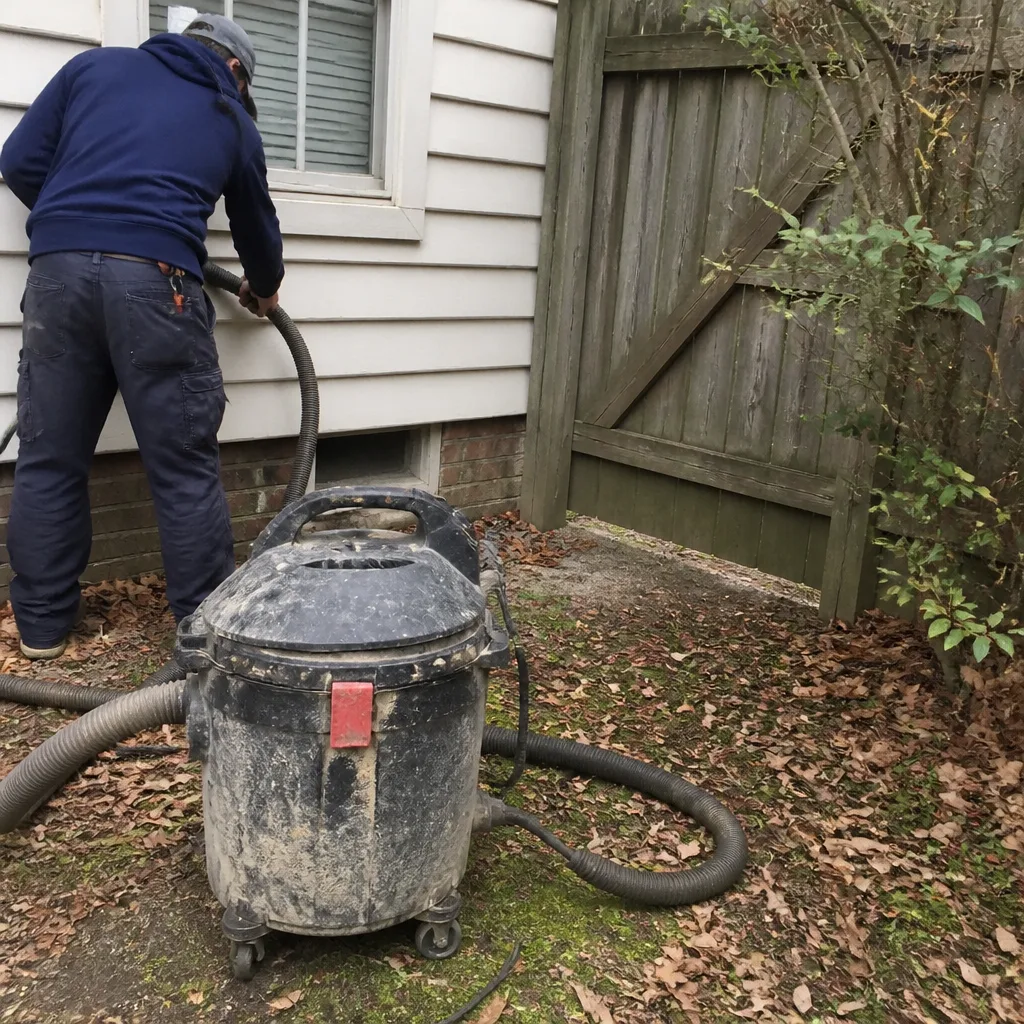 Before
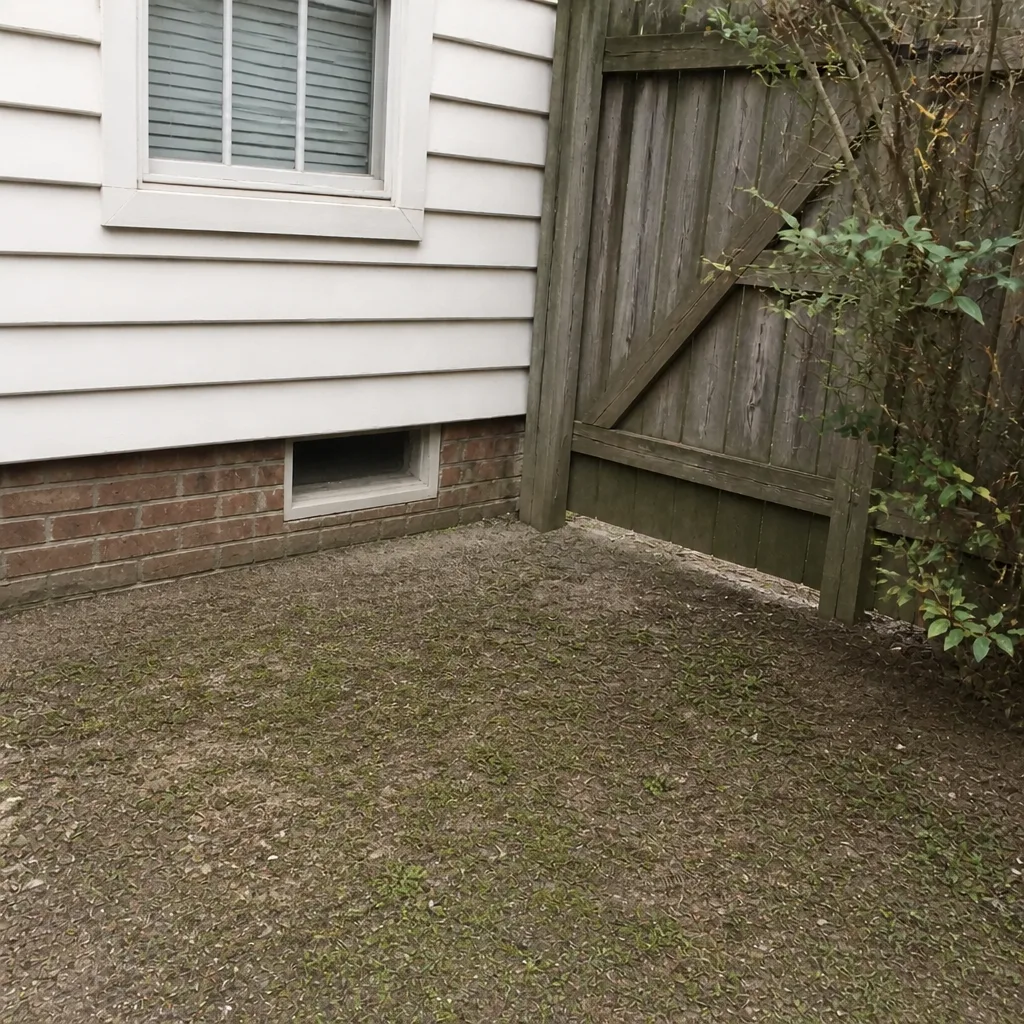 After
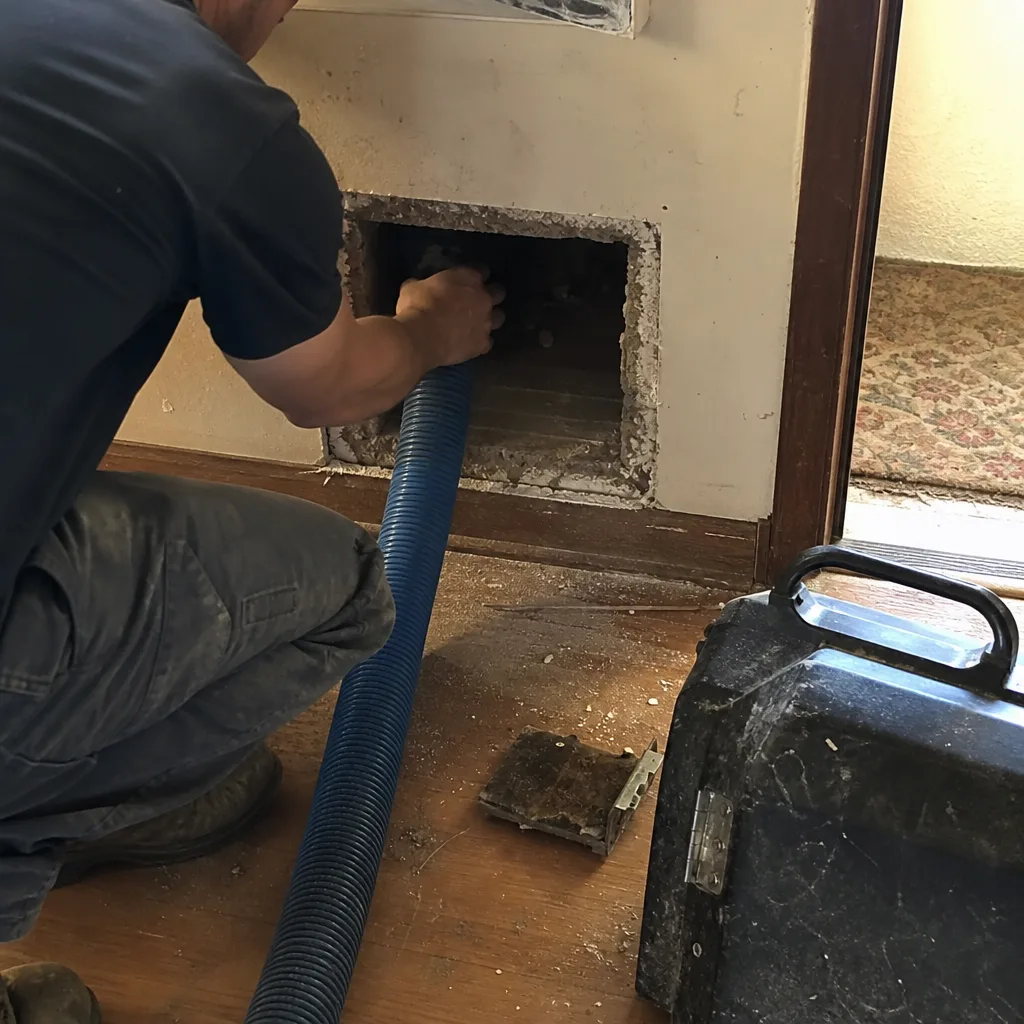 Before
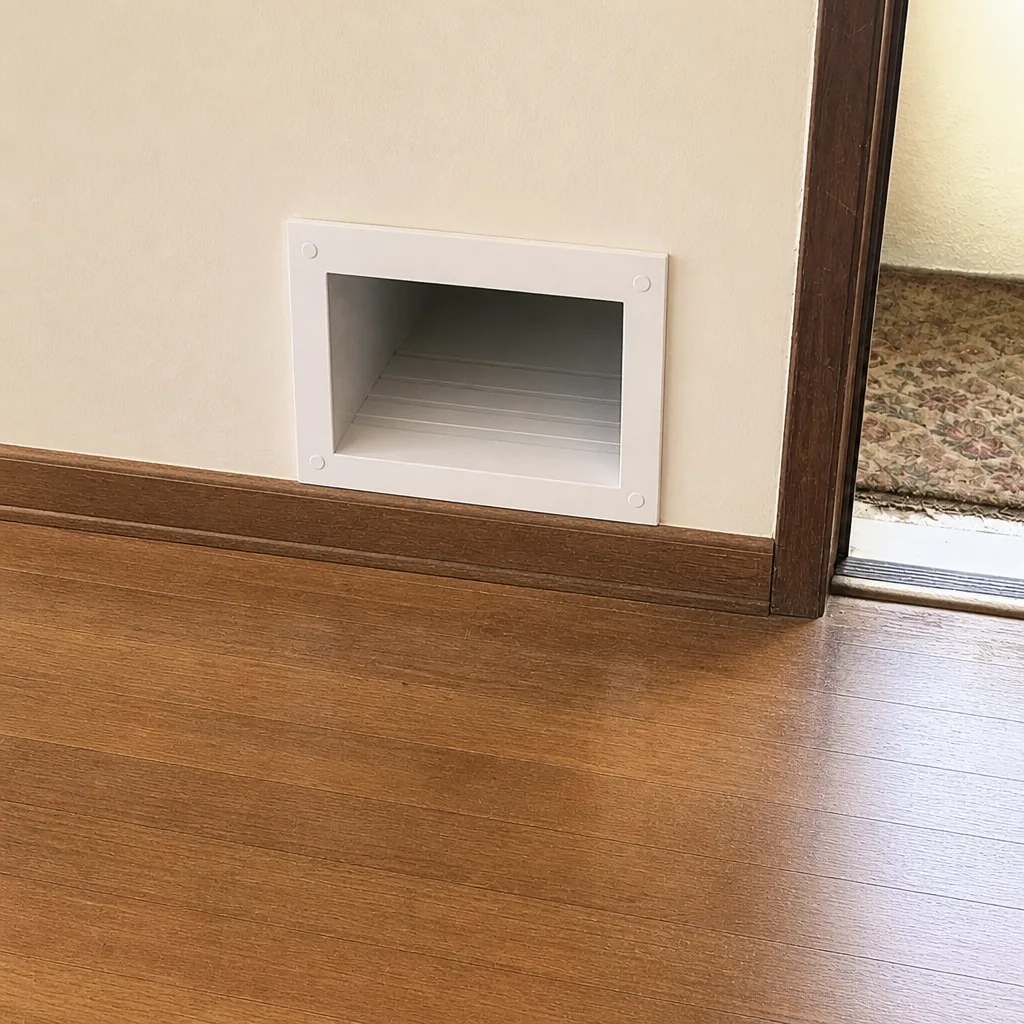 After
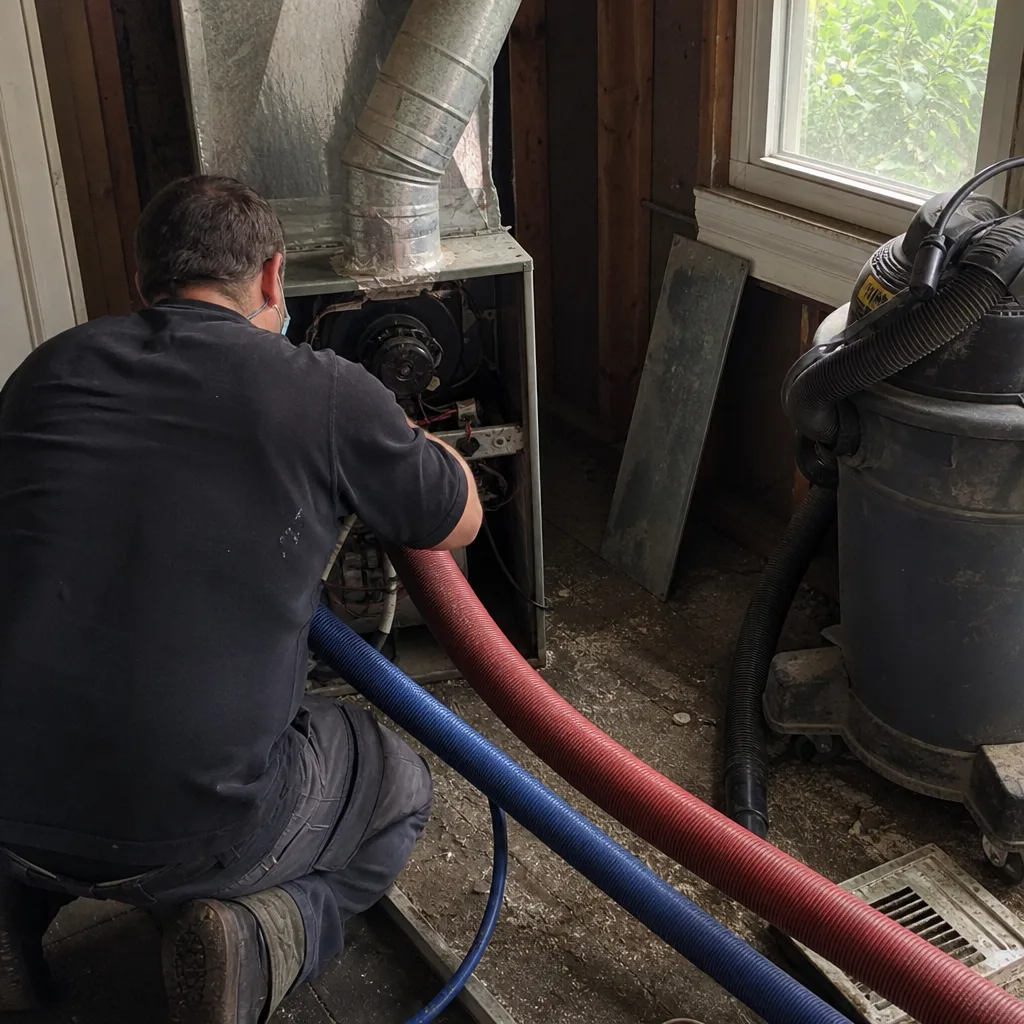 Before
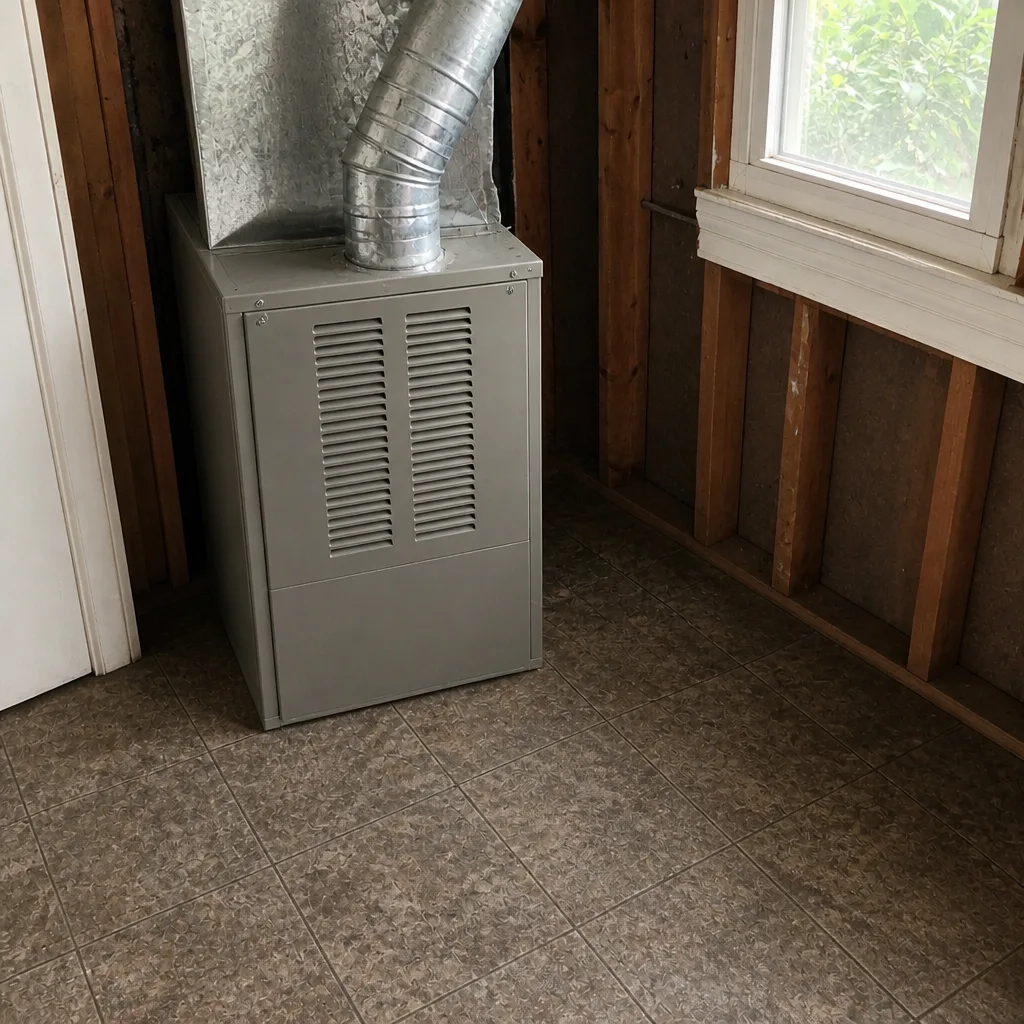 After
When to Call a Professional
Call a professional duct assessment the same day in any of these situations: a kitchen or appliance fire with visible soot or lingering smoke odor; standing water that reached the air handler, crawlspace, or a wall cavity with duct runs inside; evidence of rodent or bird activity in the ducts; a refrigerant leak inside the air handler; a musty smell that appears when the AC starts and does not clear after a filter change; or a system that has never been assessed after a previous emergency event. Do not wait for symptoms to appear in the form of headaches, allergic reactions, or persistent dust. Contamination deep in a duct system does not clear on its own. Air Duct Cleaning Sedgefield offers free estimates in Sedgefield. Call (833) 468-5694. We answer 24/7. Fast dispatch from 7am to 7pm, Sunday through Friday.
Frequently Asked Questions
As soon as the fire department releases the property and the insurer has documented the loss, ideally within a few days. The longer smoke residue sits on duct surfaces, the more it bonds, and the harder it becomes to fully remove. Shut the system off at the breaker in the meantime and seal the registers. Call (833) 468-5694 for a free estimate and we will scope the job the same day.
Coverage depends on your policy, and the insurer makes that decision. What we can do is provide the documentation adjusters typically need: written scope of work, before-and-after photographs of the ducts and affected components, and a clear narrative tying the contamination to the covered event. With that file in hand, coverage for the restoration scope is much more likely to be approved. Call (833) 468-5694 and we will walk through what your job would require.
Proper cleaning removes it. Masking methods like air fresheners, candles, and ozone generators leave the smoke deposit in place, which is why the odor returns when the system runs. Removing the deposit takes rotary-brush agitation to break the residue loose from the duct walls and HEPA extraction to pull the released particulate out of the system. We use Rotobrush agitation paired with Nikro HEPA extraction for this reason, and apply Guardsman antimicrobial treatment afterward to address residual odor at the surface. Call (833) 468-5694 for an estimate.
Common signs are scratching or scurrying sounds when the HVAC runs, droppings near the air handler or in the attic, a sudden loss of airflow to specific rooms, and visible chew marks or disconnected joints on accessible duct runs. Any of these warrant a professional inspection of the full duct pathway, not just the visible sections. Call (833) 468-5694 and we will assess the system and quote the scope in writing.
Restoration cleaning is a larger scope with different equipment. It includes negative-pressure containment, HEPA extraction, cleaning of the coil and air handler in addition to the ducts, EPA-registered antimicrobial treatment on all affected surfaces, and full photo documentation suitable for insurance. Maintenance cleaning addresses routine dust accumulation and does not include those steps. The distinction matters most when the job is being filed as a covered loss. Call (833) 468-5694 for a free estimate and we will tell you which scope your situation needs.
No. A standard shop vacuum pushes fine soot and smoke residue back into the room, and there is no way to reach the interior of the duct lining or the cooling coil without professional equipment. The risk is redistributing contamination deeper into the system, which raises the cost of the eventual professional job. Shut the system off, seal the registers, document the damage, and call a professional. Call (833) 468-5694 for a free estimate.
The Bottom Line
After a fire, flood, pest infestation, or HVAC failure in a Sedgefield home, the duct system is where contamination hides. Shutting the system off in the first hours is the single most consequential thing a homeowner can do. Sealing registers and photographing the damage before cleanup supports both the health of the household and the insurance claim. Restoration cleaning is a different job from maintenance cleaning, and the equipment list (containment, HEPA extraction, EPA-registered treatment) reflects that. Document the loss, hire the restoration scope, and include the coil and duct system in the same job. Our technicians have up to 14 years of experience working on full-system restoration work throughout this part of the Piedmont.
Call (833) 468-5694 for a free estimate. We answer 24/7. Fast dispatch from 7am to 7pm, Sunday through Friday.
Written by the team at Air Duct Cleaning Sedgefield.